
Size
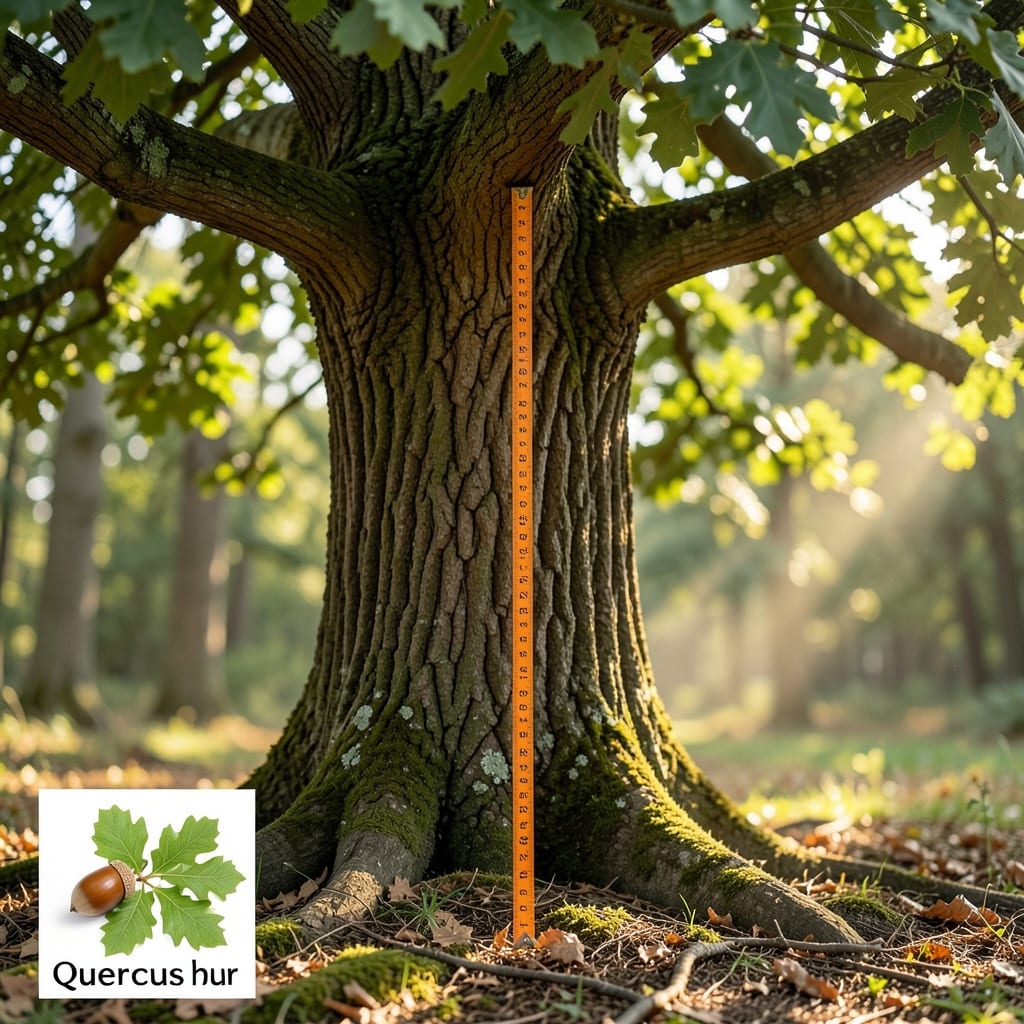
If you’ve ever dreamed of planting an oak tree 🌳 that could one day stretch toward the sky, you’re not alone—many gardeners wonder just how tall these majestic giants can grow. The answer isn’t one-size-fits-all, but with the right species and care, your backyard could soon host a towering oak reaching heights that will leave neighbors in awe.
From the stately white oak, which can soar up to 100 feet or more, to the slightly shorter but equally impressive red oak, these trees are built for grandeur. But here’s the catch: their ultimate height depends on more than just genetics—soil quality, sunlight, and even pruning habits play a huge role in shaping their future.
Whether you’re planning a long-term landscape project or simply curious about the potential of your new sapling, understanding these factors is key. I’ll break down everything you need to know—from species-specific growth ranges to practical tips for nurturing a tree that could one day rival the giants of the forest.
Ready to turn your yard into a future oak haven? Let’s explore how tall your oak tree could grow—and what you can do to help it reach its full potential.


Mature heights of popular oak tree species compared
Oak trees are nature’s skyscrapers, with some species reaching heights that rival city buildings. The white oak (Quercus alba) often tops the list, growing 75–100 feet tall under ideal conditions. Its close cousin, the red oak (Quercus rubra), typically matures between 60–80 feet, while the bur oak (Quercus macrocarpa) stays slightly shorter at 50–75 feet. Even the live oak (Quercus virginiana), known for its sprawling branches, can soar 60–80 feet tall in the right climate.
If you’re planning your landscape, these heights matter—especially when considering property lines and power lines. A 100-foot oak needs space to thrive without becoming a hazard. For example, the white oak’s broad canopy requires at least 50–75 feet of clearance from structures, while the red oak’s faster growth rate means it can reach half its mature height in just 15–20 years. Understanding these differences helps you choose the right species for your goals.
| Species | Mature Height (ft) | Growth Rate (ft/year) | Best Climate Zones | Canopy Spread (ft) |
|---|---|---|---|---|
| White Oak | 75–100 | 1–2 | USDA Zones 3–9 | 50–75 |
| Red Oak | 60–80 | 1.5–2.5 | USDA Zones 4–8 | 40–60 |
| Bur Oak | 50–75 | 1–1.5 | USDA Zones 3–7 | 40–50 |
| Live Oak | 60–80 | 0.5–1.5 | USDA Zones 7–10 | 60–100 (wide-spreading) |
Climate plays a huge role in how tall your oak tree will grow. For instance, white oaks thrive in the eastern U.S., where they can reach their full 100-foot potential in moist, well-drained soils. Meanwhile, live oaks dominate the southeastern coast, where humidity and heat fuel their rapid canopy expansion. Even within a species, urban environments with polluted air or compacted soil can stunt growth by 20–30%, so choose your location wisely.
One surprising fact: red oaks grow faster than white oaks in their youth, making them a popular choice for homeowners who want quick shade. However, their lifespan is shorter—typically 200–300 years compared to the white oak’s 400+ years. If you’re planting for future generations, the white oak is the clear winner for both height and longevity.
For those with limited space, consider the bur oak, which matures more slowly but adapts well to dry conditions and urban planting zones. Its 50–75-foot height is manageable for medium-sized yards, and its drought tolerance makes it low-maintenance once established. If you’re in the southeast, the live oak’s wide-spreading branches create a natural privacy screen without needing to grow as tall.
When selecting an oak tree, also consider its root system. Deep-rooted species like the white oak can lift sidewalks over time, while shallow-rooted red oaks may compete with nearby plants for water. Always plant at least 15–20 feet away from buildings and 30+ feet from septic systems to avoid future issues. A little planning now saves headaches later!
If you’re dreaming of a 100-foot oak in your backyard, start with a 1–2 foot sapling and give it 50+ years of care. The white oak is your best bet for maximum height, but don’t underestimate the red oak’s speed or the live oak’s shade. Each species offers something unique—choose based on your climate, space, and long-term vision for your landscape.
🌳
What determines how tall your oak tree will grow?
Your oak tree’s ultimate height isn’t just about the species—it’s a mix of nature and nurture. While a white oak might reach 100 feet in perfect conditions, the same tree in compacted urban soil could max out at 60 feet. The difference? Five key factors that you can influence to help your oak tree grow taller—or at least reach its full potential.
First, soil quality is non-negotiable. Oak trees thrive in well-draining, slightly acidic soil (pH 5.0–7.0). If your soil is clay-heavy or sandy, amend it with compost or organic matter to improve aeration and nutrient retention. Poor soil can stunt root growth by 30–50%, directly limiting how tall your tree can become. A simple soil test costs less than $20 and can save you years of frustration.
🌱
Soil Quality
Oaks need well-draining, slightly acidic soil (pH 5.0–7.0). Amend clay or sandy soil with compost to boost growth by 20–40%.
Sunlight Exposure
6+ hours of full sun daily maximizes growth. Shade reduces height by 15–25%.
Water Availability
Deep watering 1–2 times per week in dry spells. Overwatering or drought stress can stunt growth by 20–30%.
Pruning Practices
Remove dead or crossing branches annually. Over-pruning can reduce height by 10–15%.
Climate Conditions
Ideal temps: 50–85°F. Extreme heat or cold can slow growth by 10–20%.
Next, sunlight exposure is critical. Oak trees are sun-worshippers, needing 6+ hours of direct sunlight daily to reach their full height. Plant your sapling in the sunniest spot in your yard—even partial shade can reduce growth by 15–25%. If your yard is shaded, consider a red oak, which tolerates partial shade better than other species.
Watering might seem straightforward, but overdoing it or underwatering can both limit your oak’s height. Young trees need deep watering 1–2 times per week during dry spells, while established oaks are drought-tolerant. The key is consistency: let the top 6 inches of soil dry between waterings. Overwatering suffocates roots, while drought stress forces the tree to divert energy to survival instead of growth.
Don’t overlook pruning practices. Strategic pruning encourages upward growth, but over-pruning can stunt your oak’s height by 10–15%. Focus on removing dead, diseased, or crossing branches in late winter or early spring. Avoid "topping" (cutting the top off), as this creates weak growth and reduces height potential. If you’re unsure, hire a certified arborist—their expertise can add decades to your tree’s lifespan and height.
Finally, climate conditions play a surprising role. Oak trees thrive in USDA Zones 3–9, but extreme heat or cold can slow growth. For example, live oaks in the southeast grow faster in humid climates, while white oaks in the northeast may take longer to mature in cooler summers. If you’re in a harsh climate, choose a species native to your region—like the bur oak for Zone 3 or the live oak for Zone 10.
By optimizing these five factors, you can help your oak tree reach—or even exceed—its species-specific height potential. Start with the right soil and sunlight, then fine-tune with water, pruning, and climate awareness. With patience and care, your backyard could soon be home to a true giant of the forest.
🌳