
How To
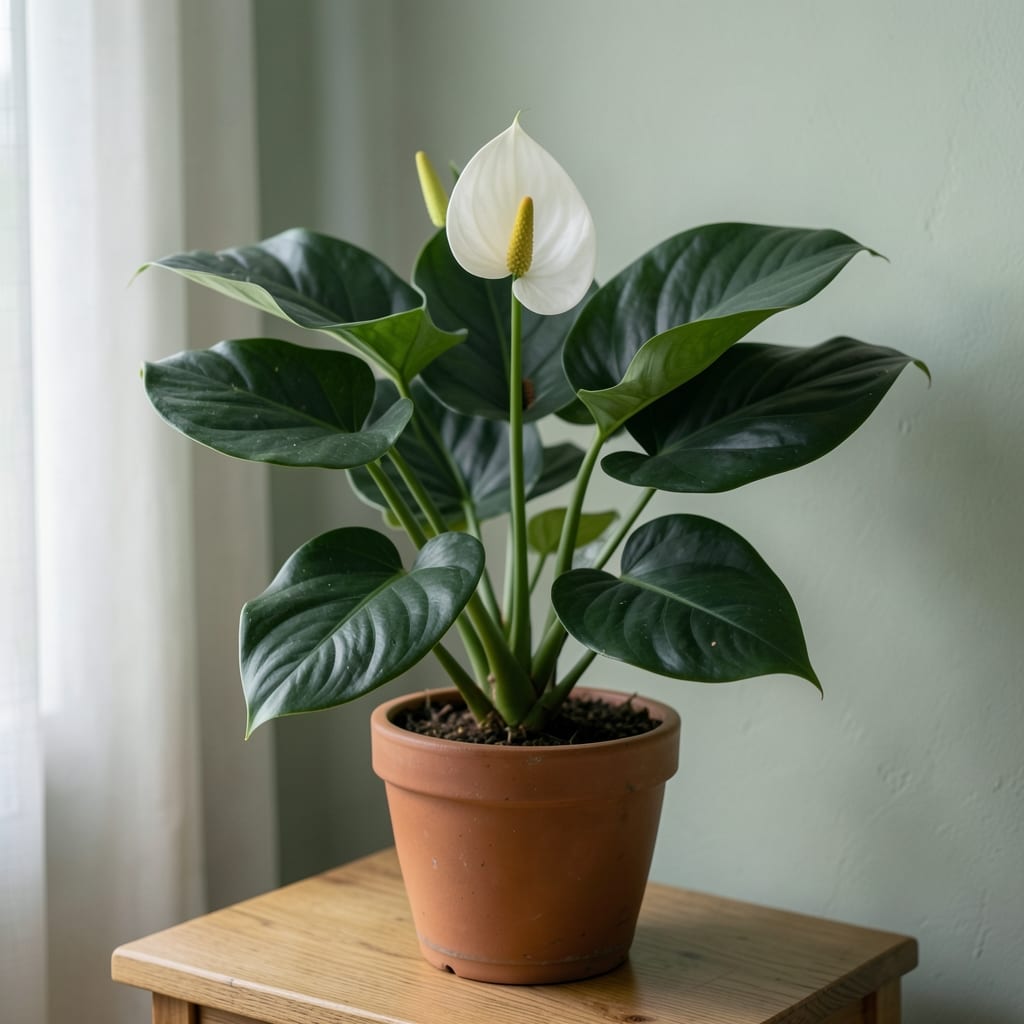
Peace lily height by variety: from compact to towering giants
Peace lilies (Spathiphyllum) are famous for their elegant white blooms and glossy foliage, but their mature height can surprise even seasoned plant parents. While most varieties top out between 1 to 4 feet, some can stretch toward 5 feet under ideal conditions. The key? Variety genetics and your care routine. Let’s break down what to expect based on your peace lily’s type.
If you’re staring at your plant wondering, “Why is my peace lily growing so tall?”, the answer likely lies in its genetic potential. Some varieties are bred to stay compact, while others naturally reach for the sky. For example, the Petite variety rarely exceeds 12 inches, making it perfect for desks or shelves. Meanwhile, the classic Spathiphyllum wallisii can hit 3 to 4 feet indoors with proper care.
Here’s the surprising truth: Peace lilies grow faster and taller when they’re root-bound or receive too much indirect light. But don’t panic—this section will help you match your plant’s height to its variety and adjust care accordingly. Understanding these ranges ensures you’re prepared for your peace lily’s full potential (or how to keep it compact!).
🌱
| Variety | Mature Height | Growth Habit | Best For |
|---|---|---|---|
| Petite | 12–18 inches | Compact, bushy | Desks, shelves, small spaces |
| Domino | 18–24 inches | Trailing, variegated | Hanging baskets, tables |
| Spathiphyllum wallisii (Classic) | 3–4 feet | Upright, fast-growing | Corners, floors, large rooms |
| Florida Beauty | 2–3 feet | Medium, dense foliage | Medium-sized tables, counters |
| Sensation | 2–3 feet | Variegated, upright | Bright spaces, accent plants |
Note: Height varies with care—light, pot size, and pruning can adjust growth by up to 50%.
Now that you know the expected height ranges, let’s talk about how to identify your peace lily’s variety. Most nurseries label plants, but if yours is unlabeled, check these clues: leaf shape (narrow vs. broad), variegation (striped or solid green), and bloom size (small clusters vs. large spathes). The Petite variety, for example, has miniature leaves and blooms, while the Domino sports creamy-white stripes.
If your peace lily is taller than expected, it might be a mature Spathiphyllum wallisii or a hybrid. These varieties stretch toward 4–5 feet when given bright, indirect light and room to grow. The good news? You can control its height with simple adjustments—like pruning or choosing a smaller pot—which we’ll cover in the next section.
One common mistake is assuming all peace lilies follow the same growth pattern. In reality, a Petite variety left in a large pot might still only reach 18 inches, while a wallisii in a small pot could grow leggy and tall as it searches for light. Pay attention to these genetic cues to avoid overestimating (or underestimating) your plant’s potential.
🌿
Pro tip: Measure your peace lily’s height annually to track its growth. If it’s shooting up faster than expected, it’s likely root-bound or craving more light. We’ll dive into height-control strategies next, so you can keep your peace lily at your desired size—whether that’s desk-height or floor-length drama.
✂️
How to control peace lily height: pruning, light, and pot size secrets
If your peace lily is stretching toward the ceiling like a teenager, don’t panic—you’re not dealing with a plant on steroids. Height growth is often a response to light deprivation or root-bound conditions. The good news? With a few simple adjustments, you can keep your plant at a manageable 1-3 feet instead of letting it become a vertical jungle gym.
First, let’s tackle the biggest culprit: light exposure. Peace lilies thrive in bright, indirect light—think east-facing windows or a few feet from a west window. When they don’t get enough light, they stretch aggressively to reach it, creating those long, leggy stems. Move your plant closer to a window (but not in direct sun) and watch the difference within weeks.
Here’s the secret weapon most gardeners overlook: pot size. A peace lily in a too-large container will focus its energy on filling the extra space with roots instead of growing upward. If your plant’s roots are circling the bottom or poking out of drainage holes, it’s time to repot into a snugger container. Aim for a pot that’s only 1-2 inches wider than the root ball to encourage bushier, more compact growth.
🌿 Pro Tip: Prune for Bushiness
Want a fuller peace lily instead of a skinny stalk? Prune strategically! Cut back overly long stems just above a leaf node (where leaves grow). This encourages new growth from the sides, creating a denser, more compact plant. Use clean, sharp pruning shears and sterilize them with rubbing alcohol first to prevent disease.
Timing matters too. The best time to prune is in early spring when your peace lily is entering its active growth phase. Avoid heavy pruning in fall or winter, as the plant needs all its energy to survive dormancy. After pruning, give your plant a light fertilizer boost (like a 10-10-10 mix) to support new growth.
Don’t forget about watering habits, which indirectly affect height. Overwatering can lead to root rot, stressing the plant and causing it to grow erratically. Stick to watering when the top inch of soil feels dry—this keeps roots healthy and encourages steady, controlled growth. A well-hydrated but not soggy peace lily will grow taller but more stable.
For the most dramatic results, combine all these techniques. Place your peace lily in bright indirect light, repot into a snug container, and prune regularly. Within a few months, you’ll have a bushier, more manageable plant that fits perfectly on your shelf or desk—no ceiling fan battles required!