
How To
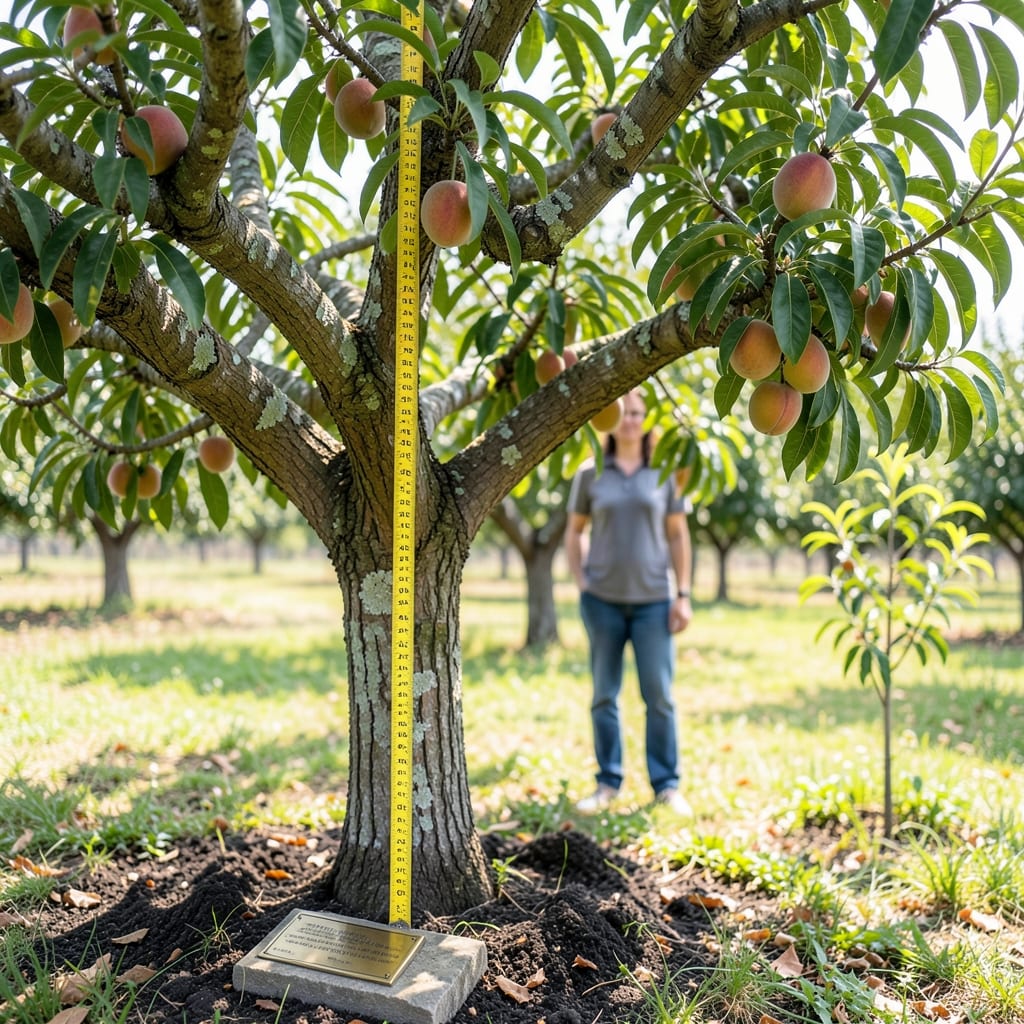
If you're dreaming of fresh, juicy 🍑 peaches from your own backyard, the first question you'll ask is "how tall can a peach tree grow"—because let's be honest, a 25-foot tree might not fit your space (or your ladder!). The good news? Your peach tree's mature height depends entirely on the variety you choose and how you care for it.
Standard peach trees can reach towering heights of 15 to 25 feet, making them perfect for rural gardens with plenty of room. But here's the game-changer: dwarf varieties stay between 8 to 12 feet, while semi-dwarf types land somewhere in the middle at 12 to 18 feet. This means whether you've got a sprawling yard or just a cozy patio, there's a peach tree size that'll work for you.
What you might not realize is that pruning plays a huge role in controlling height and shaping your tree for easier harvesting. With the right techniques, even a standard-sized peach tree can be kept manageable while still producing buckets of fruit. Plus, proper spacing ensures your tree gets the sunlight and airflow it needs to thrive—and that means better peaches for you.
Ready to pick the perfect peach tree for your space? Let's break down the sizes, growth rates, and pruning tips that'll help you grow a healthy, productive tree—no matter how much (or little) room you've got to work with.

Peach tree mature heights by variety: dwarf to standard sizes explained
Peach trees are stunning additions to any garden, but their mature height can vary dramatically depending on the variety and rootstock you choose. A standard peach tree can reach an impressive 15 to 25 feet tall, while dwarf varieties stay under 10 feet, making them perfect for small spaces. The right choice depends on your yard size, pruning goals, and even fruit production preferences.
Understanding these height differences helps you plan for long-term growth, sunlight exposure, and even harvest accessibility. For example, a 20-foot standard tree needs ample space and regular pruning, while a 6-foot dwarf tree fits neatly in a patio container. Let’s break down the key categories and popular varieties to help you decide what’s best for your garden.
📊 Comparison Table: Peach Tree Heights by Variety
| Variety Type | Mature Height | Space Needs | Best For |
|---|---|---|---|
| Dwarf (e.g., 'Bonanza', 'Reliance') | 6–10 ft | Containers, small yards | Urban gardens, patios |
| Semi-Dwarf (e.g., 'Redhaven', 'Elberta') | 12–18 ft | Medium yards, orchards | Home gardens, easy harvest |
| Standard (e.g., 'Flavorcrest', 'Sanguin') | 15–25 ft | Large properties, orchards | Traditional orchards, high yield |
Dwarf varieties like 'Bonanza' or 'Reliance' are grafted onto dwarfing rootstock like 'Lovell' or 'Halford,' which naturally stunt their height. These trees mature quickly—often reaching 6–8 feet in just 3–4 years—and produce abundant fruit despite their size. They’re ideal for gardeners with limited space or those who want to grow peaches in large containers.
Semi-dwarf varieties, such as the classic 'Redhaven' or 'Elberta', strike a balance. They grow to 12–18 feet tall, making them manageable for most backyards while still offering a robust harvest. These trees require minimal pruning to control height but benefit from regular thinning to improve fruit quality and airflow.
Standard peach trees, like 'Flavorcrest' or 'Sanguin', are the tallest and most traditional. They can tower over 20 feet and need ample space—at least 15–20 feet in diameter—to thrive. While they demand more room and maintenance, they’re prized for their high yields and disease resistance, making them a favorite for commercial orchards and large rural properties.
Another factor influencing height is the pruning method you use. Trees trained in an open-center shape (common for dwarf varieties) stay shorter and wider, while those pruned as a central leader (like standard trees) grow taller and narrower. Even within the same variety, aggressive pruning can reduce height by 30–50% over time, while neglect can lead to unmanageable growth.
If you’re planting near a fence or structure, consider escalade training, where the tree is guided to grow along a trellis or wall. This method can keep even standard varieties under 10 feet while maximizing sunlight exposure and fruit production. Just ensure the structure is sturdy enough to support the tree’s weight as it matures.
For gardeners in USDA Zones 5–8, where peaches thrive, choosing the right height isn’t just about aesthetics—it’s about fruit quality and ease of harvest. Taller trees may produce more fruit, but they’re harder to pick and maintain. Dwarf trees, while smaller, often ripen fruit earlier and are less prone to bacterial spot, a common disease in humid climates.
Pro tip: Always check the rootstock when buying a peach tree. Some nurseries sell "dwarf" trees that are actually semi-dwarf on half-dwarfing rootstock, which can grow taller than expected. Look for labels specifying 'Lovell' or 'Halford' rootstock for true dwarfs.
How pruning affects peach tree height: techniques to control growth
Pruning isn't just about shaping your peach tree—it's the secret weapon for controlling its height and ensuring a bountiful harvest. The right pruning technique can keep a 20-foot standard tree under 12 feet, while poor pruning habits can turn a dwarf variety into an unmanageable giant. Understanding when, how, and why to prune transforms your tree from a wild, sprawling mess into a well-behaved, fruit-producing machine.
Most peach trees benefit from one of two pruning styles: open-center (for dwarf/semi-dwarf varieties) or central leader (for standard trees). Open-center pruning creates a vase-like shape with multiple branches radiating from the trunk, keeping the tree shorter and wider. Central leader pruning maintains a single main trunk with scaffold branches, encouraging vertical growth. Your choice depends on your space and harvest goals.
⚠️ Common Pruning Mistakes That Stunt Growth
✂️ Over-pruning removes too many branches at once, shocking the tree and slowing growth. Never remove more than 25% of the canopy in a single session.
🌿 Pruning at the wrong time (like late summer) invites disease and weakens the tree. Always prune during dormant season (late winter/early spring).
🔪 Cutting too close to the trunk leaves stubs that invite rot. Make clean cuts 1/4 inch above a bud or branch collar.
🌧️ Ignoring water sprouts (fast-growing vertical shoots) can turn your tree into a tangled mess. Remove them immediately to redirect energy to fruit production.
The best time to prune peach trees is in late winter or early spring, just before buds swell but before new growth begins. This timing ensures the tree can heal quickly and avoids spreading diseases like bacterial leaf spot, which thrives in wet conditions. Summer pruning is limited to removing water sprouts and dead wood only—never more than 10% of the canopy.
For height control, focus on removing suckers (shoots growing from the base) and vertical branches that compete with your desired shape. Use hand pruners for small branches and loppers for thicker limbs. Always sterilize your tools with rubbing alcohol between cuts to prevent disease spread. A well-pruned tree not only stays shorter but also produces 20–30% more fruit by improving airflow and sunlight penetration.
If you're working with a standard variety that's already too tall, consider progressive pruning—removing the topmost branches over several years to gradually lower the canopy. This method is gentler on the tree than drastic topping, which can cause suckering and weak regrowth. Pair this with escalade training (growing along a trellis) to keep even tall varieties under 10 feet while maximizing fruit production.
Remember, peach trees respond well to regular care. With consistent pruning, your tree will reward you with easier harvests, better fruit quality, and a manageable height that fits your space. Start small—remove just a few branches your first year—and gradually refine the shape over time. Your future self (and your back!) will thank you.