
Size
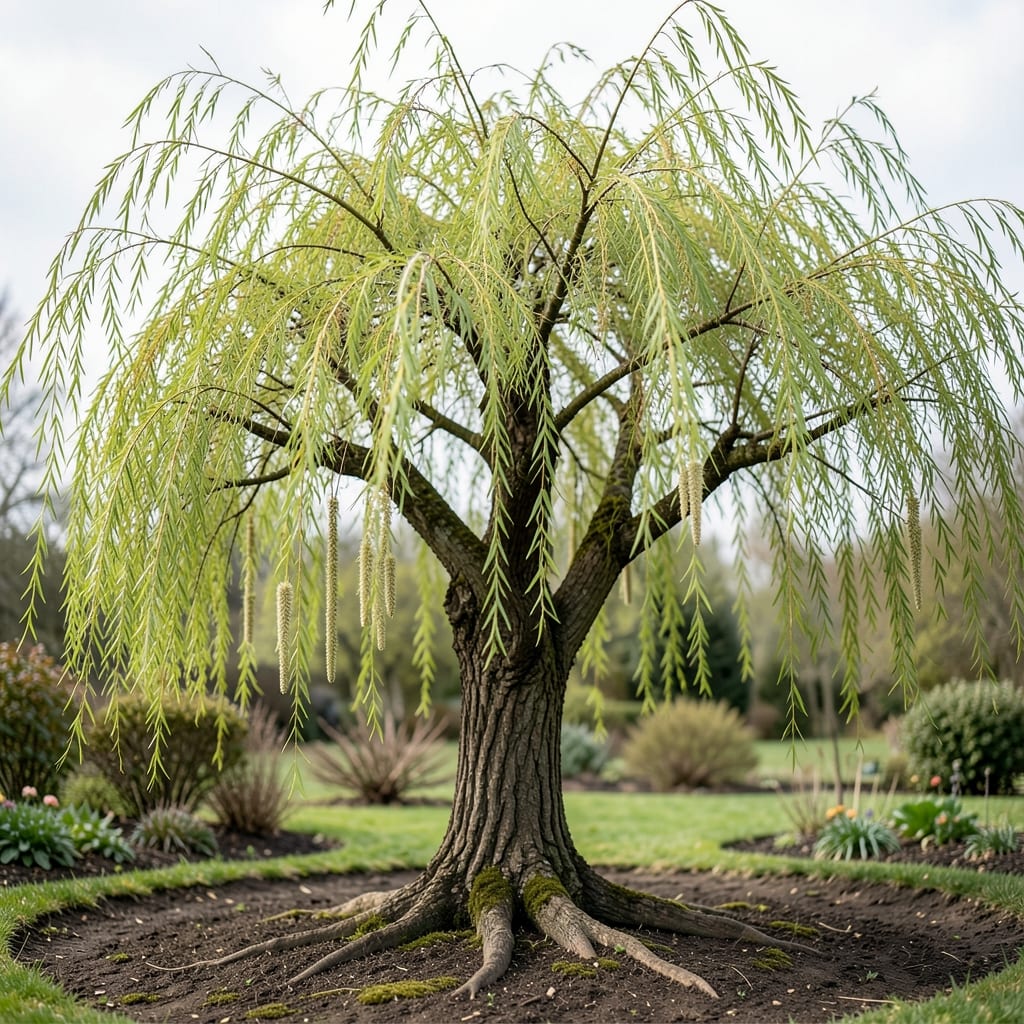
If you've ever wondered how tall a willow tree 🌳 can grow, the answer might surprise you—some varieties stretch over 100 feet tall, while others stay more manageable. These towering trees aren't just impressive; they're also versatile, used for everything from erosion control to stunning ornamental landscapes.
But what makes a willow tree reach such staggering heights? The answer lies in its species, growing conditions, and even how you care for it. Whether you're planning a backyard project or managing a large property, understanding these factors is key to getting the most out of your willow tree.
In this guide, I’ll break down the tallest willow varieties, explain what influences their growth, and share practical tips to control their height if needed. Ready to discover how to cultivate these giants—or keep them in check—without sacrificing their beauty?
From the weeping willow's graceful arcs to the black willow's towering presence, each type has its own growth story. Let’s dive into the details so you can make the best choices for your space.

Willow tree height records by species: tallest varieties and their growth limits
Willow trees are famous for their impressive height, but not all varieties reach the same skyline. The Black Willow (Salix nigra) often tops the charts, growing up to 60-80 feet tall with some specimens exceeding 100 feet in ideal conditions. Meanwhile, the Weeping Willow (Salix babylonica) can reach 40-50 feet with its iconic drooping branches.
These towering trees aren’t just tall—they grow 3-5 feet per year under optimal conditions, making them some of the fastest-growing trees in the world. Their height potential depends heavily on their species, soil quality, and climate. Let’s explore the tallest varieties and what makes them reach such staggering heights.
🌳
Willow Tree Height Comparison
| Species | Max Height | Growth Rate | Key Features |
|---|---|---|---|
| Black Willow | 60-80 ft | 3-5 ft/year | Fast-growing, dark bark, thrives near water |
| Weeping Willow | 40-50 ft | 2-4 ft/year | Graceful drooping branches, loves water |
| White Willow | 30-50 ft | 2-3 ft/year | Pale bark, adaptable to various soils |
| Corkscrew Willow | 15-25 ft | 1-2 ft/year | Unique twisted branches, smaller stature |
Height varies by growing conditions and region
The Black Willow holds the record for the tallest willow species, often surpassing 70 feet in wet, fertile soils. Its rapid growth makes it a favorite for erosion control along riverbanks. Meanwhile, the Weeping Willow may not reach the same height, but its dramatic, weeping branches create a stunning visual impact in landscapes.
Smaller varieties like the Corkscrew Willow (Salix matsudana 'Tortuosa') stay between 15-25 feet tall, making them perfect for smaller gardens or containers. Despite their size, they still grow quickly—ideal for adding instant height without overwhelming your space.
If you’re planting a willow tree, consider your space and goals. For maximum height, the Black Willow or White Willow are excellent choices. For a more manageable size with visual appeal, the Corkscrew Willow or Purple Osier Willow (Salix purpurea) are great alternatives.
One surprising fact: willow trees can grow up to 3 feet in a single growing season if given ideal conditions—think rich, moist soil and full sun. This makes them one of the fastest-growing hardwood trees, perfect for quick privacy screens or dramatic landscape features.
🌿
When choosing a willow tree, also consider its root system. Many willows, like the Weeping Willow, have aggressive roots that spread widely. This can be a pro for erosion control but a challenge if you’re planting near foundations or sidewalks. Always check local regulations, as some areas restrict willow planting due to their invasive nature.
For those with limited space, consider dwarf varieties or container-grown willows. While true dwarf willows are rare, some varieties like Salix caprea (Goat Willow) stay smaller and are easier to manage in urban gardens.
🪴
Willow tree height records by species: tallest varieties and their growth limits
Willow trees are famous for their impressive heights, but not all species reach the same skyward heights. The black willow (Salix nigra) often tops the charts, growing up to 60-80 feet tall in ideal conditions. Meanwhile, the weeping willow (Salix babylonica) can stretch 40-50 feet with its iconic drooping branches.
Other notable varieties include the white willow (Salix alba), which typically reaches 30-50 feet, and the corkscrew willow (Salix matsudana 'Tortuosa'), which stays shorter at 15-25 feet but makes up for it with twisted branches. Each species has unique growth patterns influenced by genetics and environment.
Here’s a quick comparison of the tallest willow varieties and their typical mature heights:
| Variety | Mature Height | Growth Rate | Key Traits |
|---|---|---|---|
| Black Willow | 60–80 ft | 3–5 ft/year | Fast-growing, deep roots |
| Weeping Willow | 40–50 ft | 2–4 ft/year | Dramatic drooping branches |
| White Willow | 30–50 ft | 2–3 ft/year | Pale bark, flexible branches |
| Corkscrew Willow | 15–25 ft | 1–2 ft/year | Twisted stems, ornamental |
The black willow holds the record for the tallest willow species, with some specimens exceeding 80 feet in wetland environments. These trees thrive in moist, fertile soil and can grow 3-5 feet per year under ideal conditions. Their rapid growth makes them popular for erosion control and privacy screens.
If you’re planting a willow for shade or aesthetics, the weeping willow is a stunning choice, though its sprawling branches require ample space. For smaller gardens, consider the corkscrew willow, which adds visual interest without dominating the landscape. Always check local regulations, as some areas restrict willow planting due to their invasive roots.
Understanding these height differences helps you select the right variety for your goals—whether you want a towering giant or a compact ornamental tree. 🌳