
Size
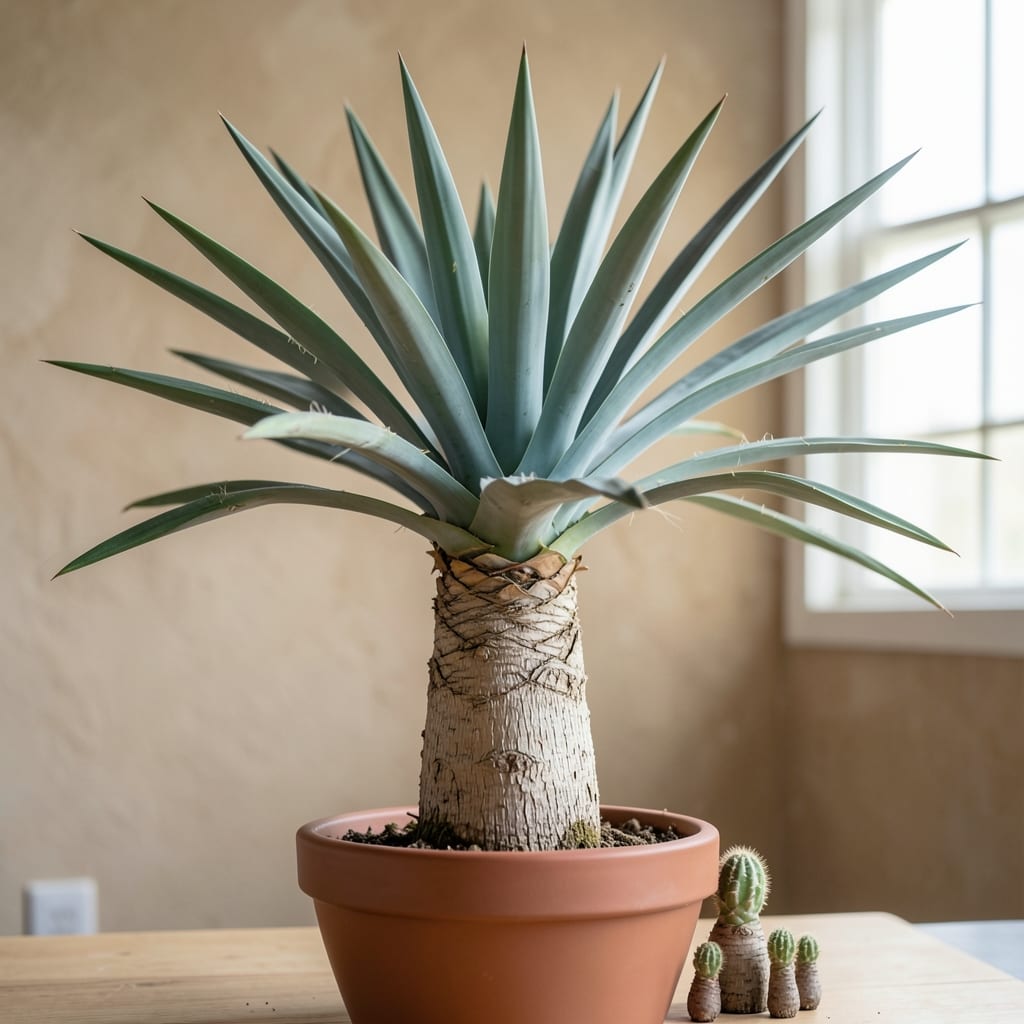
Wondering how tall can a yucca grow before it becomes a maintenance nightmare? The answer might surprise you—some varieties stretch toward the sky like architectural masterpieces, while others stay neatly compact. Whether you're planning a dramatic desert-inspired border or a low-maintenance foundation plant, understanding your yucca's potential height is key to making the right choice for your space.
Yuccas are famous for their drought-resistant nature, but their height can vary wildly depending on the species. A Yucca filamentosa might top out at just 3-5 feet, making it perfect for smaller gardens, while a Yucca rostrata can reach towering heights of 10-20 feet, acting more like a small tree than a shrub. This dramatic range means your planting decisions could transform your landscape from subtle to statement-making.
But height isn't just about species—it's also about where you live. Climate plays a huge role in how much your yucca will stretch toward the sky. In USDA Zone 6a, where winters can be chilly, growth might be slower, while warmer regions could see faster, more aggressive expansion. Even soil quality and sunlight exposure can push your plant toward its upper limits—or keep it neatly contained.
Ready to make the most of your yucca's potential? I'll walk you through everything you need to know—from choosing the right variety for your space to the pruning secrets that keep even the tallest yuccas manageable. Let's get started!

Yucca height by species: from ground huggers to towering giants
Yuccas are architectural superstars in the garden, but their mature heights vary wildly—from compact ground covers to towering desert sentinels. The species you choose will determine whether your yucca becomes a low-maintenance border plant or a dramatic focal point that steals the show. Understanding these differences helps you plan spacing, pruning, and even neighboring plants for harmony.
Most yuccas fall into three broad height categories: dwarf (3–6 ft), semi-dwarf (6–10 ft), and standard (10–20+ ft). Even within a single species, growth habits can shift based on climate and care—but knowing the baseline gives you a starting point. For example, the Yucca filamentosa (Adam's needle) rarely exceeds 5 feet, while Yucca rostrata (Spanish dagger) can surge to 15–20 feet in ideal conditions.
Below is a quick reference for the most popular yucca species and their mature heights. Remember, these are general guidelines—your local climate and soil quality can push a plant 1–3 feet taller or shorter than the average. Always check your specific variety’s growth habits before planting.
| Species | Common Name | Mature Height (ft) | Growth Rate | Best For |
|---|---|---|---|---|
| Yucca filamentosa | Adam's Needle | 3–5 ft | Slow to moderate | Borders, rock gardens |
| Yucca gloriosa | Spanish Dagger | 6–10 ft | Moderate | Specimen plants, focal points |
| Yucca rostrata | Spanish Dagger | 10–20 ft | Slow | Large landscapes, desert gardens |
| Yucca baccata | Datil Yucca | 10–15 ft | Moderate | Drought-prone areas, erosion control |
| Yucca elephantine | Spineless Yucca | 6–12 ft | Slow | Low-maintenance gardens, urban landscapes |
If you’re planning a yucca garden, spacing is key. A 3-foot variety like Yucca filamentosa needs at least 3 feet of clearance from other plants to avoid competition. Meanwhile, a 15-foot Yucca rostrata should have 10+ feet of open space around it—think of it like planting a small tree. Overcrowding can stunt growth or invite pests, so always err on the side of giving your yucca room to breathe.
Another factor to consider is climatic growth boosts. Yuccas in USDA Zones 7–10 often grow 20–30% taller than those in cooler zones. For instance, a Yucca gloriosa in Arizona might hit 10 feet, while the same plant in Zone 6 could max out at 6 feet. If you’re in a transitional zone, monitor growth closely and adjust pruning strategies accordingly.
For container growers, height expectations shrink dramatically. A Yucca filamentosa in a 15-gallon pot might only reach 2–3 feet due to root restriction, while the same plant in the ground could double that. If you love yuccas but have limited space, opt for dwarf varieties or prune aggressively to keep them manageable.
One common misconception is that all yuccas grow
Yucca height by species: from ground huggers to towering giants
Yuccas are nature’s architectural marvels, offering a stunning range of heights that can transform your garden from a modest landscape to a desert-inspired masterpiece. But how tall can a yucca grow? The answer depends entirely on the species—some stay humble at 3 feet, while others soar to 20 feet, rivaling small trees. Understanding these variations helps you choose the perfect yucca for your space, whether you’re designing a cozy courtyard or a sprawling desert oasis.
For compact gardens, Yucca filamentosa (Adam’s needle) is a crowd-pleaser, typically reaching 3 to 5 feet with its striking sword-like leaves. Meanwhile, the Yucca rostrata (Spanish dagger) stands tall at 10 to 15 feet, its dramatic rosettes demanding space and admiration. Even within species, growth can vary based on climate, soil, and care—so let’s explore the full spectrum of yucca heights to help you plan like a pro.
If you’re eyeing a Yucca gigantea for a bold focal point, be prepared for a 15–20 foot statement—this is the tallest yucca species, perfect for desert landscapes or as a dramatic backdrop. On the other hand, Yucca gloriosa (Spanish dagger) stays more manageable at 4–6 feet, making it ideal for smaller gardens or container growing. The key to predicting height? Start with the right species for your space and climate, then fine-tune with proper care.
Pro tip: Always check your local USDA hardiness zone before planting. A yucca thriving in Zone 10 might struggle in Zone 5, where cold snaps can stunt growth or even kill the plant. For example, Yucca baccata (banana yucca) loves cooler climates and can handle Zone 5, while Yucca elephantipes (spineless yucca) prefers the warmth of Zones 7–11. Matching species to climate ensures your yucca reaches its full potential height without stress.
For container growers, dwarf varieties like Yucca recurvifolia (canyon yucca) cap out at 3–5 feet, making them perfect for patios or balconies. Just remember: even compact yuccas need room to spread their roots. Planting too closely can lead to crowding, stunted growth, and competition for nutrients. Aim for 3–5 feet of spacing between mature yuccas to give them the elbow room they deserve.
Whether you’re chasing a sky-high centerpiece or a low-maintenance border plant, yuccas deliver drama with minimal fuss. The secret? Choose the right species for your space, then let nature do the rest. With the right conditions, your yucca could be reaching for the sky in just a few years—so grab your gloves and get planting!