
Plants
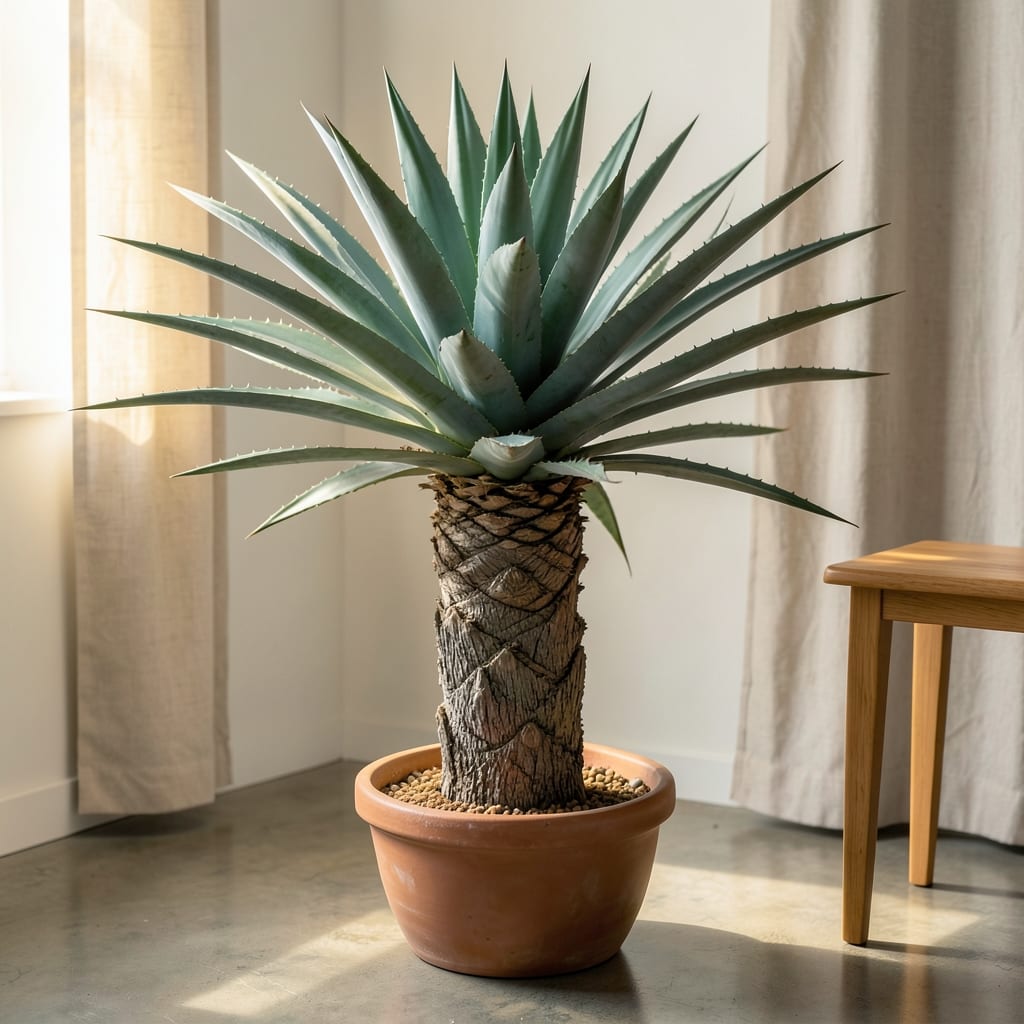
If you're wondering how tall can a yucca plant grow, get ready for a surprise—these striking 🌵 plants can range from compact shrubs to towering giants that dominate your landscape. Some varieties, like the Yucca gigantea, stretch up to 20 feet, while others stay neatly contained at just 2-4 feet tall. Whether you're designing a small urban patio or a sprawling backyard, knowing the height potential of your yucca is key to choosing the perfect fit.
The beauty of yucca lies in its versatility—each species grows at its own pace, influenced by factors like sunlight, soil, and even your local climate in USDA Zone 6a. For example, Yucca filamentosa typically matures between 3-6 feet, making it ideal for borders, while Yucca rostrata can shoot up to 10 feet or more, adding dramatic vertical interest. But here’s the secret: with the right care, you can even control their height through simple pruning techniques.
If you're dreaming of a low-maintenance, drought-tolerant plant that thrives in spring planting and requires minimal fuss, yucca delivers—without the guesswork. I’ll show you how to select the right variety for your space, plus expert tips to manage growth so your yucca stays healthy and stylish, no matter how tall (or short) you want it to be. Let’s dive into the details!
Ready to transform your garden with a yucca that fits your vision? Whether you’re after a compact accent plant or a bold statement piece, understanding these height ranges is your first step to success. Stay tuned for variety-specific insights and care secrets that’ll keep your yucca looking its best year after year.


Yucca plant height by variety: from dwarf to giant species
Yucca plants are famous for their striking architectural forms and dramatic heights, but not all varieties grow to skyscraper proportions. The mature height of a yucca plant depends entirely on its species—some stay compact enough for containers, while others become towering garden staples. Let’s explore the height ranges of the most popular yucca varieties to help you choose the perfect fit for your space.
If you’re working with limited space, dwarf varieties like Yucca rostrata (beaked yucca) or Yucca filamentosa 'Color Guard' (thread yucca) stay between 2 to 4 feet tall. These are ideal for patio pots or small gardens where you want a yucca’s dramatic foliage without the height commitment. Meanwhile, giants like Yucca gigantea (Spanish dagger) can soar to 15 to 20 feet tall, making them a bold statement for large landscapes or desert gardens.
🌵
For those with medium-sized gardens, Yucca filamentosa and Yucca gloriosa strike a perfect balance, reaching 4 to 8 feet tall. These varieties are versatile enough for borders or mixed plantings while still offering the dramatic foliage yuccas are known for. If you’re aiming for a privacy screen or a bold focal point, Yucca recurvifolia (spineless yucca) grows to 8 to 12 feet tall and thrives in warm climates.
One of the most striking giants is Yucca gigantea, which can grow 15 to 20 feet tall in ideal conditions. This variety is perfect for desert landscapes or as a dramatic backdrop in large gardens. However, its rapid growth means it’s best suited for spaces where you won’t need to prune it back frequently. If you’re unsure about committing to a giant yucca, start with a container-grown specimen to monitor its growth before planting it permanently.
When selecting a yucca, also consider its spread. Some varieties, like Yucca filamentosa, can spread 6 to 10 feet wide over time, while others like Yucca rostrata stay more compact. This ensures your yucca won’t outgrow its intended space, whether that’s a container on a patio or a garden bed with defined edges.
🌿
Pro tip: If you’re planting yucca in containers, choose a variety that won’t outgrow its pot. For example, Yucca rostrata or Yucca 'Color Guard' thrive in 15 to 20-gallon pots and can be easily moved if needed. Larger varieties like Yucca gigantea may require oversized containers or in-ground planting to accommodate their mature size.
Finally, remember that yucca growth rates vary by climate and care conditions. In arid regions with plenty of sunlight, yuccas grow faster and reach their mature height more quickly. In cooler or shaded areas, growth may be slower, and heights could be slightly less than expected. Always check your local USDA hardiness zone to ensure the variety you choose will thrive in your area.
✂️
Factors that influence yucca growth height (and how to control it)
Yucca plants are famous for their dramatic vertical growth, but their final height depends on several key factors. Understanding these elements helps you manage your yucca's size—whether you want a towering centerpiece or a compact patio plant. Let’s explore the biggest influences on yucca height and how to control them.
The species is the #1 determinant of height. For example, Yucca gigantea can soar to 20 feet or more, while Yucca rostrata stays between 4-6 feet. Even within a species, growth rates vary based on genetics—some plants simply grow faster or taller than others.
🌵 Sunlight is another critical factor. Yuccas thrive in full sun (6+ hours daily), which fuels rapid vertical growth. If you place your yucca in partial shade, it may grow slower and stay shorter. However, too much intense afternoon sun in hot climates can stress the plant and stunt growth.
🌱 Key Factors Affecting Yucca Height
- Species: Determines max height (e.g., Yucca gigantea = 20+ ft)
- Sunlight: Full sun = faster growth; partial shade = slower growth
- Soil: Well-draining soil = healthy growth; compacted soil = stunted growth
- Water: Overwatering = root rot; underwatering = slower growth
- Pruning: Regular trimming = bushier, controlled height
Your soil type plays a hidden but crucial role. Yuccas need well-draining soil to prevent root rot, which can slow growth. Amend heavy clay soils with sand or gravel to improve drainage. Poor soil conditions force the plant to divert energy to survival rather than growth, keeping it shorter than its potential.
Watering habits also impact height. While yuccas are drought-tolerant, they grow best with deep, infrequent watering. Overwatering leads to root rot and weak stems, while underwatering stresses the plant. Aim for 10-14 days between waterings in containers and bi-weekly for in-ground plants during the growing season.
Finally, pruning is your best tool for controlling height. By trimming back leggy stems or removing dead growth, you encourage bushier, more compact growth. For tall varieties like Yucca elephantipes, pruning the top can stimulate side shoots and reduce overall height over time.
With the right balance of sunlight, soil, water, and pruning, you can guide your yucca to grow exactly how you want—whether that’s a 3-foot patio plant or a 15-foot garden statement piece. Experiment with these factors to find the perfect fit for your space! 🌿