
How To
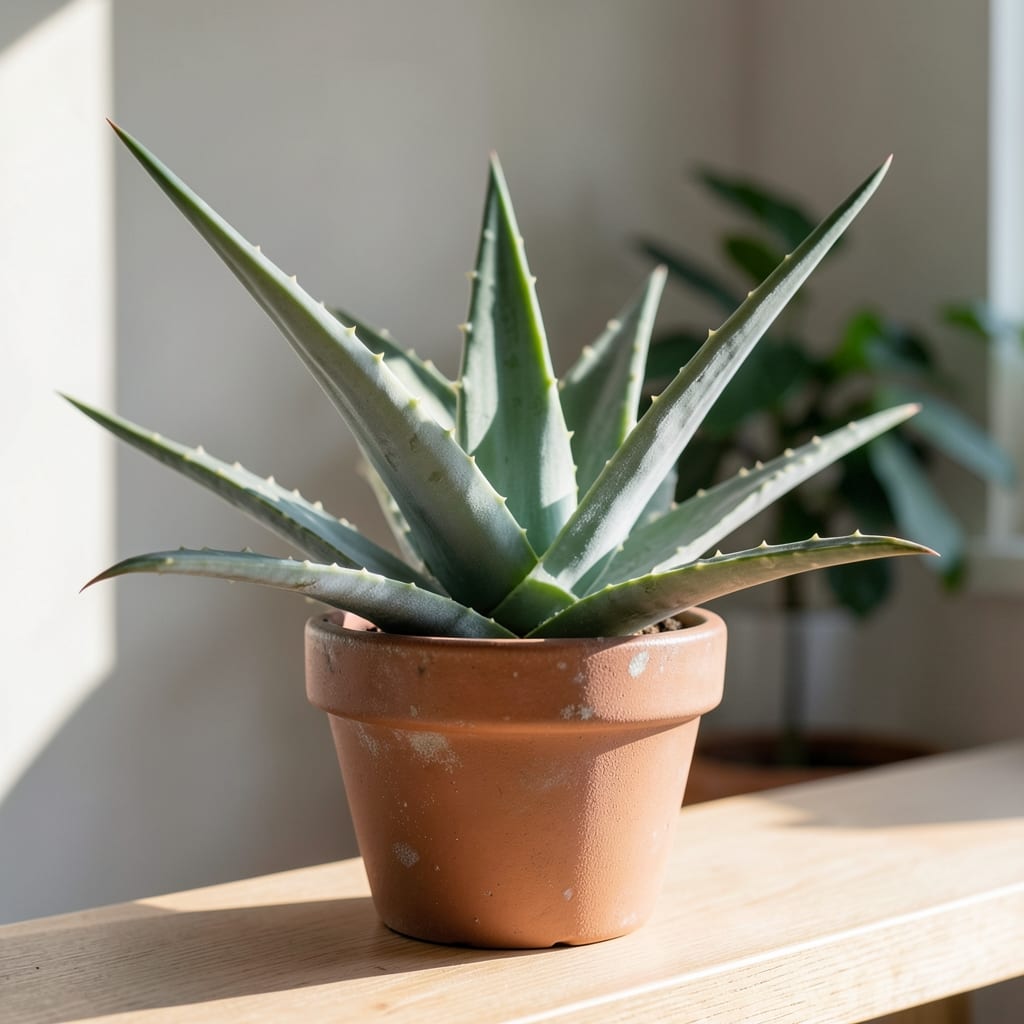
Curious about how tall can aloe vera grow in your home? You might be surprised to learn that this humble houseplant can stretch from a modest 12 inches to a towering 3 feet—depending on where you grow it. That’s right, your 🌱 aloe vera could become a statement piece in your living space or stay compact on a sunny windowsill.
The difference between indoor and outdoor growth is staggering. Outdoors, with plenty of sunlight and space, aloe vera thrives, reaching its full height potential. But indoors? It’s a different story—limited light and smaller containers keep it shorter. Understanding these factors is the key to unlocking your plant’s true height potential.
Whether you’re a first-time plant parent or a seasoned gardener, knowing how to nurture your aloe vera for optimal growth makes all the difference. From sunlight exposure to container size, we’ll break down everything you need to help your plant grow tall—or stay small—just the way you like it.
Ready to transform your aloe vera from a tiny succulent to a lush, mature plant? Let’s dive into the science behind its growth and discover how you can encourage the perfect height for your space.


Aloe vera height limits: indoor vs outdoor growth differences
Aloe vera plants are famous for their resilience, but their height can vary dramatically depending on where you grow them. In controlled indoor environments, most aloe vera plants stay between 12 and 18 inches tall, while outdoor plants in ideal conditions can reach 2 to 3 feet or even taller. This difference isn't just about space—it's about sunlight, temperature, and root development. Understanding these factors will help you set realistic expectations for your plant's growth trajectory.
Indoor aloe vera plants often grow slower because they lack the intense sunlight and consistent warmth found outdoors. Without proper light exposure, they may develop long, leggy stems as they stretch toward any available light source. Meanwhile, outdoor aloe vera thrives in full sun exposure, which encourages thicker leaves and faster vertical growth. The key difference lies in how these plants adapt to their environment.
Here’s how the growth patterns compare in a detailed breakdown:
| Factor | Indoor Growth | Outdoor Growth |
|---|---|---|
| Average Height | 12–18 inches | 2–3 feet (or taller) |
| Sunlight Exposure | Indirect light (4–6 hours) | Full sun (6+ hours daily) |
| Growth Rate | Slow (1–2 inches/year) | Fast (6–12 inches/year) |
| Leaf Thickness | Thin, elongated | Thick, fleshy |
| Temperature Range | 60–75°F (ideal) | 70–90°F (optimal) |
| Pot Size Impact | Root-bound = stunted growth | More space = taller growth |
If you're growing aloe vera indoors, you can still encourage healthier growth by placing it near a south-facing window or under grow lights for 6–8 hours daily. This mimics outdoor sunlight and helps prevent leggy growth. For outdoor plants, ensure they're planted in well-draining soil with minimal competition from other plants, as aloe vera needs space to spread its roots and grow upward.
Another critical factor is the age of the plant. Young aloe vera plants (under 1 year old) typically stay under 12 inches tall, regardless of their environment. However, once they mature—usually around 2–3 years old—their height potential skyrockets, especially outdoors. This is why many gardeners start their aloe vera indoors and transplant them outside once they're established.
For those in USDA Zone 6a or warmer, outdoor aloe vera can become a stunning focal point in your garden, reaching heights of 3 feet or more with proper care. In cooler climates, you may need to bring potted aloe vera indoors during winter to protect it from frost, which can stunt its growth permanently. Always monitor your plant’s response to its environment and adjust care accordingly.
One common misconception is that aloe vera will grow indefinitely tall. In reality, most varieties cap out at 2–3 feet unless they're hybrid types bred for larger sizes. If you notice your aloe vera growing unusually tall with sparse leaves, it might be overcrowded or underwatered. Pruning can help redirect energy to healthier growth patterns.
To give your aloe vera the best chance at reaching its full height potential, focus on these two critical elements: light exposure and container size. A pot that’s too small will restrict root growth, while insufficient light will slow vertical development. By addressing these factors early, you’ll see a noticeable difference in your plant’s height within just a few months.
🌱
Aloe vera height limits: indoor vs outdoor growth differences
Aloe vera’s height can vary dramatically depending on whether it thrives indoors or outdoors. In controlled indoor environments, these succulents typically max out at 12–18 inches due to limited sunlight and space. However, when grown outdoors in ideal conditions, they can reach 2–3 feet tall—sometimes even taller with proper care. This difference isn’t just about height; it’s about how quickly your plant matures and how robust its leaves become.
The key factor here is sunlight exposure. Outdoor aloe vera bask in 6+ hours of direct sunlight daily, fueling rapid vertical growth. Indoors, even a south-facing window (providing 4–6 hours of light) struggles to match that intensity. Without enough light, your plant will stretch toward the source—a condition called etiolation—resulting in weak, leggy growth. Understanding these differences helps you set realistic expectations and adjust your care routine accordingly.
| Factor | Indoor Growth | Outdoor Growth |
|---|---|---|
| Height Range | 12–18 inches | 2–3 feet (or taller) |
| Sunlight Needs | 4–6 hours (bright indirect) | 6+ hours (full sun) |
| Growth Speed | Slow (1–2 inches/year) | Fast (6–12 inches/year) |
| Pot Size Limit | Yes (root-bound restricts height) | No (ground space allows expansion) |
| Leaf Thickness | Thinner (less sun exposure) | Thicker (optimal sunlight) |
Another critical difference is container size. Indoor aloe vera often become root-bound in small pots, stunting their growth. Without room to expand, the plant focuses energy on leaf production rather than height. Outdoors, aloe vera spreads its roots freely in well-draining soil, allowing it to grow taller and bushier. If you’re growing aloe vera indoors and notice it’s not reaching its potential, consider upgrading to a larger pot (at least 12 inches wide) or transitioning it outdoors for the summer months.
Temperature also plays a role. Aloe vera thrives in warm climates (USDA Zones 8–11) but can handle indoor temperatures as long as they stay above 55°F. Outdoor plants in cooler zones may grow slower or remain smaller until summer. If you live in a colder region, bring your aloe vera indoors before the first frost to protect it and prevent stunted growth. Even a few weeks of outdoor exposure in spring or fall can give your plant a growth boost without risking damage.
Finally, pruning habits differ between indoor and outdoor plants. Indoors, you’ll likely prune more frequently to control size and encourage bushiness. Outdoors, aloe vera often grows in clumps, and you can remove spent leaves to redirect energy upward. If you’re aiming for a taller aloe vera, outdoor conditions are your best bet—but with the right grow lights and larger pots, indoor plants can still reach impressive heights with patience and care.
Remember, even a 12-inch indoor aloe vera is a healthy, productive plant—it just grows differently. The goal isn’t always height; it’s about strong, vibrant leaves ready for harvest or healing properties. Whether you’re growing aloe vera for its soothing gel or as a decorative succulent, understanding these growth differences helps you create the perfect environment for your plant’s success. 🌱☀️