
Size
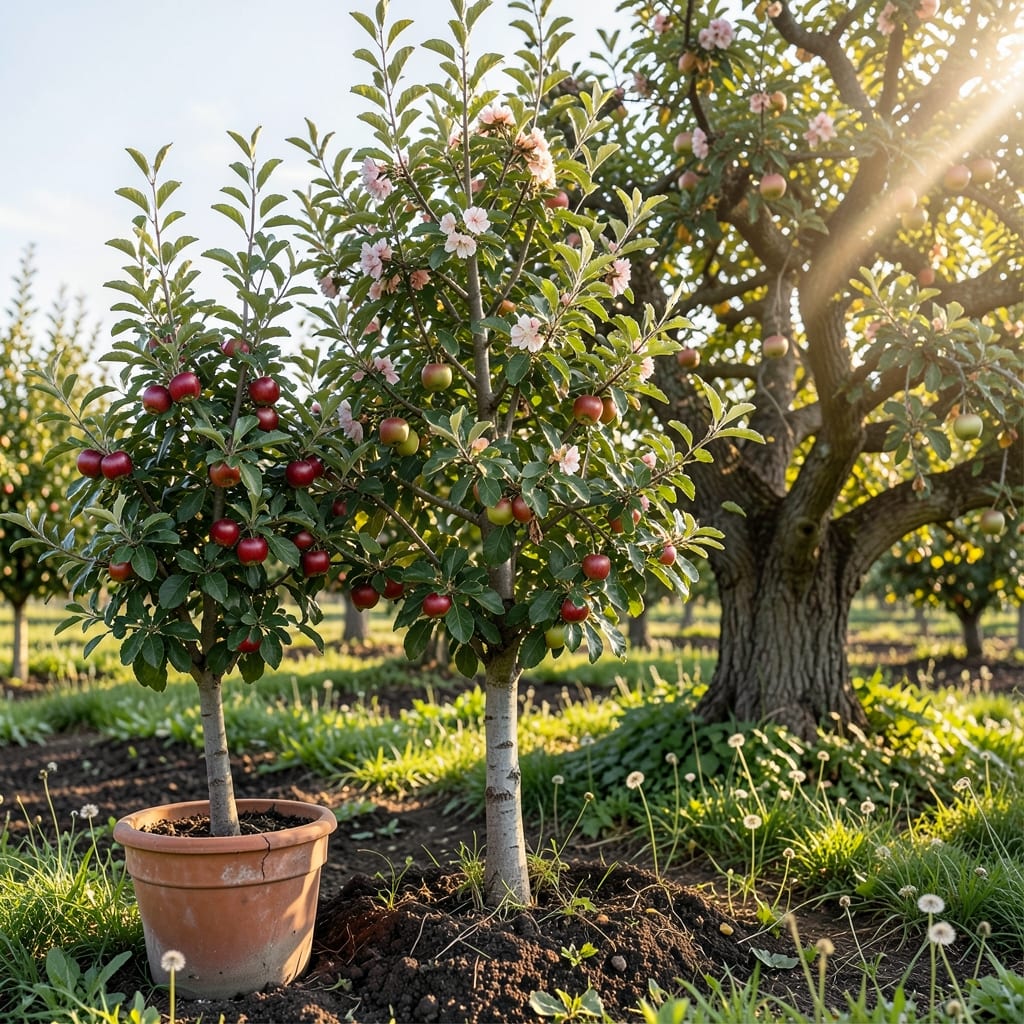
Ever wondered how tall that 🍎 apple tree in your backyard could grow—or if it’ll ever outpace your two-story house? The answer depends on more than just genetics; it’s about the variety you choose, your growing conditions, and a little pruning know-how.
Standard apple trees can reach 20-30 feet tall, while dwarf varieties stay compact at just 6-12 feet. That’s a huge difference for your space! Whether you’re dreaming of a backyard orchard or just want a manageable tree for fresh fruit, picking the right size is the first step to success.
But here’s the catch: even the smallest apple trees need proper care to stay that way. Pruning, training, and sunlight all play a role in controlling height while maximizing those juicy apples. Let’s break down the options so you can pick the perfect tree for your garden—and your patience.
From tiny patio-friendly varieties to towering orchard giants, we’ll cover everything you need to know. Ready to find the perfect fit for your space? Let’s get growing!


Apple tree height variations: from dwarf to standard to giant sizes
Apple trees come in a stunning range of heights, from compact varieties perfect for urban balconies to towering giants that dominate orchards. The height of an apple tree depends entirely on its rootstock and variety, with dwarf trees staying under 12 feet while standard trees can reach 25 feet or more. Choosing the right size isn't just about aesthetics—it impacts fruit production, ease of harvesting, and even your tree's lifespan.
Understanding these categories helps you match your apple tree to your space and goals. For example, a dwarf apple tree might produce earlier and more reliably than a giant variety, but requires more frequent pruning. Meanwhile, a standard tree offers higher yields over time but needs ample room to grow. Let's explore the four main height classifications and what each means for your garden.
| Category | Mature Height | Rootstock Example | Space Needs | Best For |
|---|---|---|---|---|
| Dwarf | 6–12 ft | M.9, B.9 | Urban gardens, containers | Balconies, small yards, early harvests |
| Semi-Dwarf | 12–16 ft | MM.106, MM.111 | Suburban yards, larger containers | Backyard orchards, moderate spaces |
| Standard | 16–25 ft | Seedling, M.7 | Orchards, rural properties | High yields, long-term growth |
| Giant | 25+ ft | None (seedling) | Large estates, commercial orchards | Mass production, heritage varieties |
The rootstock is the foundation of your apple tree's height. Dwarfing rootstocks like M.9 restrict growth by limiting nutrient and water uptake, while seedling rootstocks allow trees to grow to their full genetic potential. For example, a 'Honeycrisp' apple grafted onto M.9 will stay under 10 feet, but the same variety on a seedling rootstock could reach 30 feet. This difference is why nurseries always list both the scion variety (the fruiting part) and the rootstock.
Your climate zone also plays a role in height management. In warmer climates (USDA Zones 8-10), apple trees tend to grow faster and taller due to longer growing seasons. Meanwhile, in cooler zones (Zones 4-6), trees grow more slowly but may still reach standard heights with proper care. Always check your local last frost date when selecting a variety—some dwarf trees struggle in short-season areas.
Another key factor is pruning frequency. Even standard trees can be kept smaller with aggressive pruning, while dwarf trees left unpruned may grow slightly taller than expected. I recommend pruning twice yearly: once in late winter to shape the tree and again in summer to remove water sprouts. This keeps your tree healthy and within your desired height parameters.
Let's talk about space requirements. A 20-foot standard tree needs at least 15 feet of clearance in all directions for proper airflow and sunlight penetration. This means no power lines, fences, or other structures within that radius. For dwarf varieties, you can plant them as close as 6 feet apart, making them ideal for intensive orchards or even large containers.
One common misconception is that taller trees produce more fruit. While standard trees may yield more apples over time, dwarf trees often fruit earlier and more consistently—sometimes within 2-3 years of planting, compared to 5-7 years for standard trees. If you're impatient for harvests, a dwarf variety might be your best bet, even if you're willing to prune it regularly.
For urban gardeners, consider espalier training, which flattens trees against walls or fences. This technique can turn a 12-foot semi-dwarf into a 4-foot vertical garden while maintaining fruit production. It's a fantastic way to grow apples in small spaces without sacrificing yield or aesthetics.
Remember, the soil quality affects height too. Poor, compacted soil can stunt growth, while rich, well-draining soil encourages faster, healthier development. Always amend your planting site with compost and organic matter before installing any apple tree, regardless of its expected height.
Finally, consider your long-term goals. If you plan to sell apples commercially, a standard tree might be worth the space. But if you're growing for personal use in a small backyard, a dwarf or semi-dwarf variety will give you years of easy access to fresh fruit without the maintenance of a giant tree. The right height makes all the difference in your apple-growing success!
Apple tree height variations: from dwarf to standard to giant sizes
Apple trees aren't one-size-fits-all—some varieties stay compact enough for a backyard planter, while others grow tall enough to shade an entire orchard. The height of an apple tree depends on its rootstock and growing conditions. Dwarf varieties typically reach 6-12 feet, making them perfect for urban gardens, while standard trees can soar to 20-30 feet or more.
Understanding these height categories helps you choose the right tree for your space. A dwarf apple tree might fit in a container garden, while a standard tree needs room to spread its branches. Even giant varieties (rare but possible) can exceed 40 feet in ideal conditions.
Apple Tree Height Summary
| Type | Height Range | Space Needs | Best For |
|---|---|---|---|
| Dwarf | 6–12 ft | Small yards, containers | Urban gardens, patios |
| Semi-Dwarf | 12–16 ft | Suburban yards | Backyard orchards |
| Standard | 16–25 ft | Large properties | Traditional orchards |
| Giant | 25+ ft | Orchard settings | Commercial farms |
Dwarf apple trees grow on stunted rootstock like M.9 or B.9, limiting their height while keeping fruit production high. These trees mature quickly—often bearing fruit in just 2-3 years. In contrast, standard trees take 5-7 years to produce fruit but can live for decades, making them a long-term investment.
Your growing conditions also play a role. Trees in full sun with rich soil grow taller and stronger, while those in partial shade may stay shorter. Proper pruning techniques can further control height, ensuring your tree fits your landscape without sacrificing productivity.
If you're working with limited space, consider espalier training to grow a standard tree flat against a fence or wall. This method keeps the tree manageable while maximizing fruit yield. Even a 20-foot tree can be trained to stay under 10 feet with the right techniques.
For those with ample space, standard or giant varieties reward you with larger fruit yields and a more traditional orchard feel. Just remember: bigger trees need more pruning, water, and nutrients to stay healthy and productive.