
Size
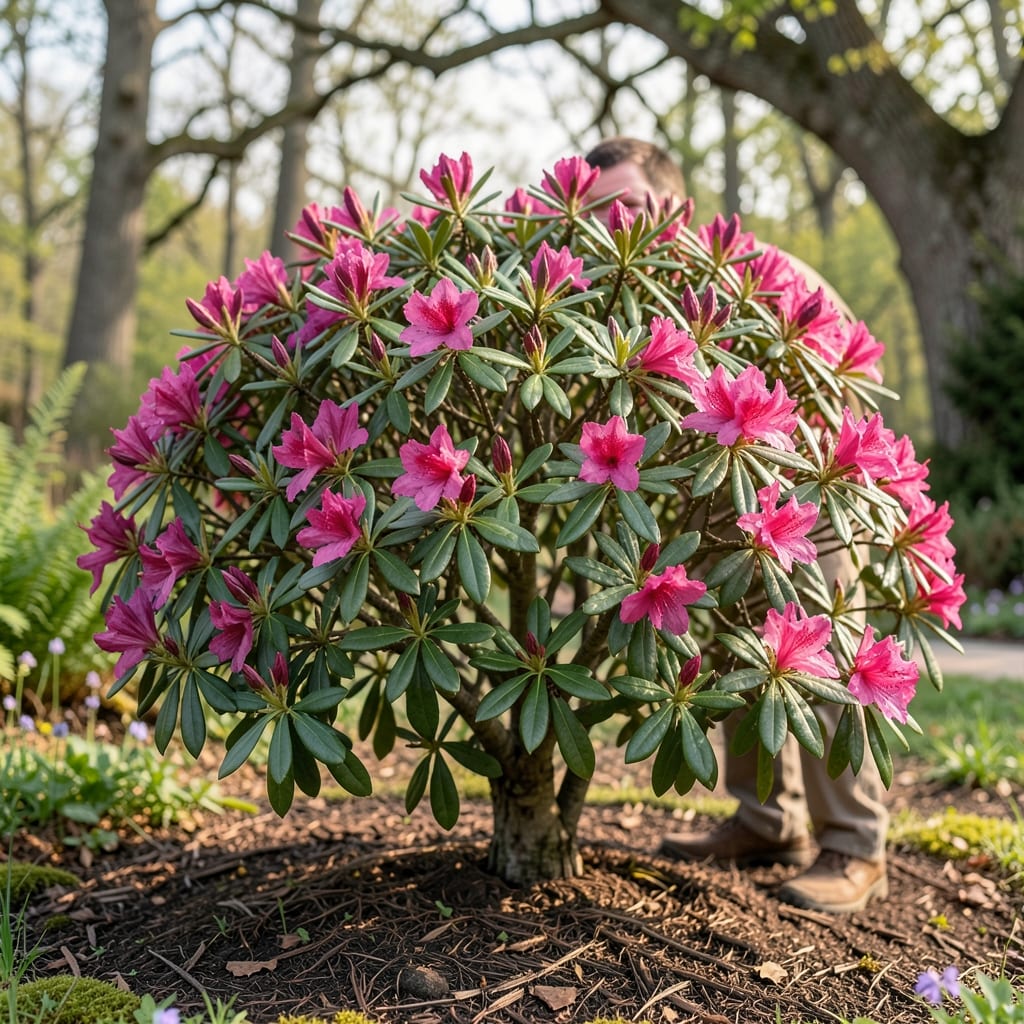
Ever glanced at a neighbor’s 🌸 azalea and wondered how tall can azaleas grow before yours matches its towering height? The answer isn’t just about time—it’s about the variety you choose. Some azaleas stay compact enough for containers, while others grow tall enough to rival small trees, and knowing the difference can transform your garden planning.
If you’re dreaming of a privacy screen or a bold landscape statement, giant azaleas like Rhododendron catawbiense can reach 10–15 feet or more. But for patios or small yards, dwarf varieties like Rhododendron simsii stay under 3 feet, making them perfect for pots or foundation plantings. The key is understanding which type fits your space—and your patience.
Growth isn’t just about genetics, though. Pruning, soil acidity, and sunlight play huge roles in shaping your azalea’s height. A little strategic trimming can keep a fast-growing variety in check, while neglect might turn a compact shrub into an unruly giant. Let’s break down the heights you can expect and how to manage them—so you get the perfect-sized azalea for your vision.
Whether you’re a first-time gardener or a seasoned pro, this guide will help you pick the right azalea for your yard. From dwarf beauties to towering giants, we’ll cover everything you need to know to grow azaleas that wow—without the unwanted surprises.


Azalea height ranges: from dwarf to towering giants (with exact measurements)
Azaleas are one of those show-stopping shrubs that can transform your yard—but their final height varies wildly. Some stay small enough for container gardens, while others grow tall enough to create privacy screens. The key? Knowing your azalea’s mature height range before planting. I’ve seen 3-foot dwarf varieties next to 12-foot giants in the same neighborhood, and the difference in care is huge.
Most azaleas fall into four distinct height categories: dwarf (1–3 ft), compact (3–6 ft), standard (6–10 ft), and giant (10–15+ ft). Your choice depends on your space, sunlight, and how much pruning maintenance you’re willing to handle. For example, a 6-foot azalea might need annual trimming, while a 2-foot variety could thrive in a pot with minimal care.
Here’s the breakdown you need to plan your landscape—because overestimating space leads to crowded, leggy shrubs, and underestimating means years of pruning to keep them in check.
| Category | Mature Height | Growth Rate (Yearly) | Best For | Pruning Needs |
|---|---|---|---|---|
| Dwarf | 1–3 ft | 6–12 in/year | Containers, borders, patios | Minimal (shape occasionally) |
| Compact | 3–6 ft | 12–18 in/year | Foundation plants, small hedges | Light (after flowering) |
| Standard | 6–10 ft | 18–24 in/year | Privacy screens, specimen plants | Moderate (annual shaping) |
| Giant | 10–15+ ft | 24+ in/year | Large hedges, woodland edges | Regular (structural pruning) |
Take Rhododendron simsii, the classic evergreen azalea, which typically hits 3–6 feet at maturity. It’s perfect for foundation plantings but can sprawl if not pruned. On the other hand, Rhododendron catawbiense can reach 10–15 feet, making it a privacy powerhouse for larger properties. If you’re unsure about your yard’s sunlight exposure, opt for the compact varieties—they’re forgiving and adaptable.
One common mistake I see is planting tall azaleas too close to structures. Always leave 3–5 feet of clearance to avoid root competition and make future pruning easier. For example, a 10-foot azalea planted 5 feet from your house will eventually need heavy pruning to keep branches from rubbing against siding.
Another factor? Soil acidity. Azaleas thrive in acidic soil (pH 4.5–6.0). If your soil is alkaline, even the hardiest dwarf varieties may grow leggy and weak, reaching heights beyond their expected range. Test your soil before planting—it’s the difference between a neat 3-foot bush and a 6-foot monster.
For fastest growth, focus on these three things: consistent moisture, partial shade, and annual feeding with acid-loving fertilizer. Skimp on any of these, and your azalea will grow slowly and unevenly. I’ve seen dwarf varieties stretch to 4 feet in just two years when given ideal conditions—so don’t assume they’ll stay small forever.
Pro tip: If you love big blooms but hate big maintenance, choose semi-dwarf varieties like ‘Girard’s Pink’ or ‘Hino Crimson’. They strike the perfect balance—4–5 feet tall with minimal pruning needs and vibrant flowers year after year.
Now that you know the height ranges, the next step is managing growth. Want to keep your azalea compact and bushy? Or are you aiming for a tall, lush hedge
How to control azalea height: pruning tips for different varieties
Pruning is the secret weapon for controlling azalea height—whether you want to keep them compact or encourage vertical growth. The timing, technique, and tools you use can mean the difference between a neat 3-foot bush and a wild 8-foot monster. I’ve pruned everything from dwarf varieties in pots to giant azaleas lining driveways, and the biggest mistake I see? Pruning at the wrong time.
Azaleas bloom on old wood, meaning their flowers form on branches from the previous year. If you prune too late—after flowering—you risk cutting off next year’s blooms. Always prune right after flowering (late spring to early summer) for healthy growth and plentiful blooms. For fast-growing varieties like Rhododendron catawbiense, you might need a second light pruning in early fall to shape them before winter dormancy.
Here’s the golden rule: Never cut more than 1/3 of the plant’s height in a single pruning session. This prevents shock and encourages bushier growth. For example, if your 6-foot azalea is getting too tall, aim to trim just the topmost 1–2 feet of leggy branches. Use clean, sharp pruners (or loppers for thicker stems) to avoid jagged cuts that invite disease.
For dwarf varieties (1–3 ft), focus on shaping rather than height control. Use your pruners to pinch back leggy stems in early summer to encourage fuller growth. These varieties are perfect for containers or borders, so keep them well-shaped and bushy—think of them like living topiaries.
If you’re growing tall azaleas (10+ ft) for privacy screens, prune annually in late spring to maintain a dense, uniform shape. Use a hand saw for thick branches and always cut just above a leaf node to promote new growth. For hedge-like growth, shear the outer edges lightly to encourage inward growth and fill in gaps.
One common pruning mistake is over-trimming in an attempt to keep azaleas small. This leads to bare stems and fewer blooms. Instead, prune selectively: remove only the longest, leggiest branches and crossing stems that rub together. For extra-compact growth, try pinching back new growth in early summer—this tricks the plant into branching out instead of reaching upward.
Finally, feed your azaleas after pruning to boost recovery. Use a balanced, acid-loving fertilizer (like 10-10-10) in early spring to support new growth. Avoid heavy fertilizing in late summer or fall, as this can stimulate tender new growth that won’t survive winter. With the right pruning, your azaleas will stay healthy, blooming, and the perfect height for your space.