
Size
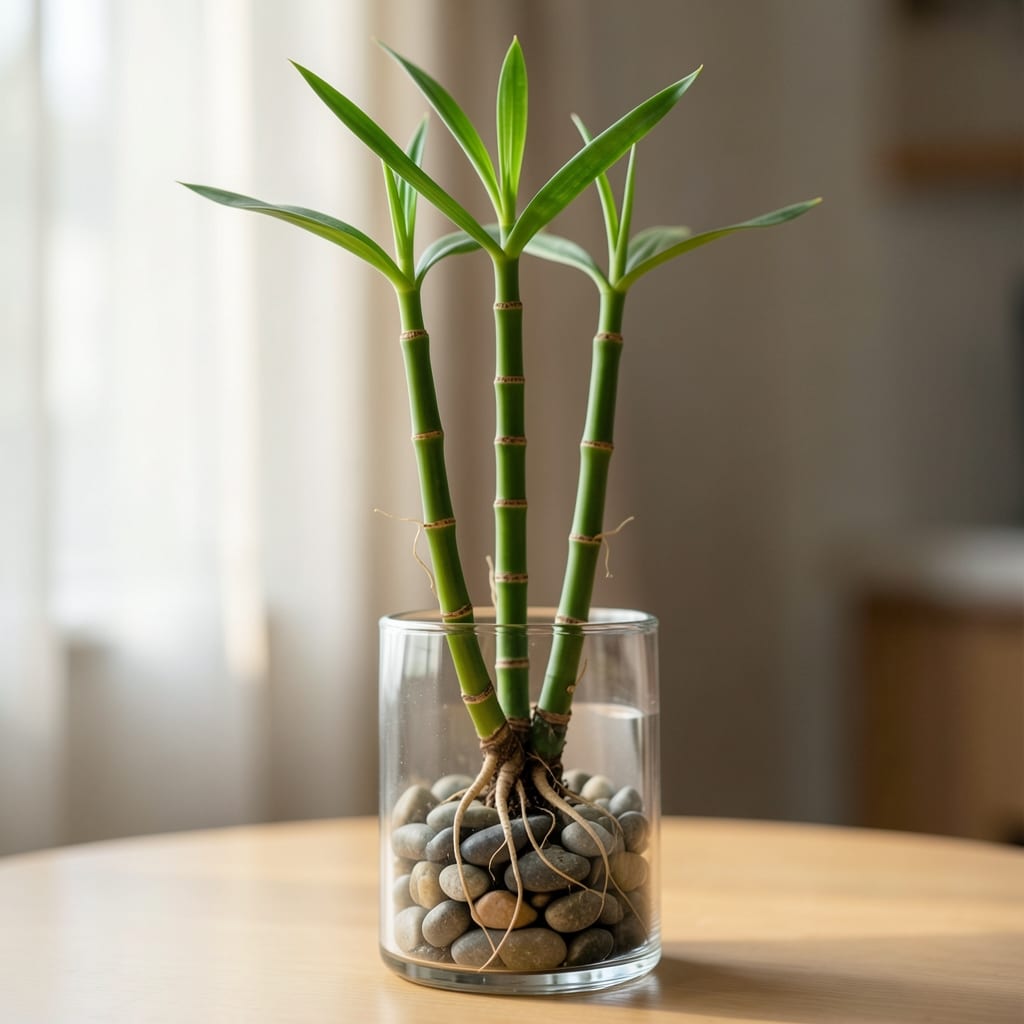
If you’ve ever wondered how tall can bamboo grow in a day, the answer will leave you in awe—this plant isn’t just fast, it’s downright record-breaking. Some varieties shoot up 3 feet or more in 24 hours, leaving gardeners and scientists stunned by its speed. But not all bamboo grows at the same pace, and understanding what fuels this explosive growth can help you harness its potential in your own backyard.
Whether you’re dreaming of a towering privacy screen or simply curious about nature’s speedsters, this 🌿 powerhouse delivers. The key lies in its species, soil, and care—factors that can turn your garden into a bamboo jungle in no time. Let’s break down the science and secrets behind this incredible growth spurt, so you can grow faster, smarter, and with confidence.
From the running bamboo that spreads like wildfire to the clumping types that stay put, each variety has its own superpowers. With the right conditions—like rich soil, consistent water, and plenty of sunlight—you might just witness bamboo reaching new heights in your own garden. Ready to learn how to encourage this rapid growth while keeping it under control?
We’ll cover the fastest-growing species, the science behind their daily growth bursts, and practical tips to maximize their potential without losing control. Whether you’re a seasoned gardener or just starting out, bamboo’s growth secrets are about to transform your outdoor space.


Fastest-growing bamboo species and their daily growth records
Bamboo’s growth speed is nothing short of astonishing—some species can shoot up 3 to 4 feet in a single day under perfect conditions. This rapid growth isn’t just a curiosity; it’s a carefully orchestrated biological process that varies dramatically between species. Whether you’re dreaming of a privacy screen or a tropical accent, knowing which bamboo varieties deliver the fastest growth will help you plan your garden like a pro.
Not all bamboo grows at the same breakneck pace. Running bamboo (like Phyllostachys edulis or Moso bamboo) tends to grow faster than clumping bamboo, thanks to its aggressive rhizome system. In ideal conditions—warm temperatures, ample water, and nutrient-rich soil—these varieties can reach maturity in just a few years, while slower growers might take a decade or more to reach their full height.
Here’s the breakdown of the fastest-growing bamboo species and their documented daily growth records, so you can choose the perfect fit for your garden’s needs:
If you’re aiming for maximum height in minimal time, Phyllostachys edulis and Dendrocalamus asper are your best bets. These varieties aren’t just fast—they’re also hardy and adaptable, making them ideal for large-scale projects like privacy screens or windbreaks. However, their aggressive growth means you’ll need to contain their rhizomes to prevent them from taking over your yard.
For smaller spaces or container gardening, clumping bamboo like Bambusa multiplex or Fargesia robusta grow more slowly but offer better control. Their daily growth might only reach 1–2 feet, but they’re perfect for adding height without the risk of spreading uncontrollably. The key is matching your bamboo’s growth rate to your garden’s layout and maintenance capacity.
Climate plays a huge role in bamboo’s daily growth spurt. In tropical or subtropical regions, bamboo can grow almost year-round, while in cooler climates, growth slows significantly during winter months. For example, in USDA Zone 7, Moso bamboo might grow 3 feet in a day during June, but only 6 inches in December. Understanding your local growing season will help you set realistic expectations for your bamboo’s speed.
Soil quality is another critical factor. Bamboo thrives in well-draining, nutrient-rich soil with a slightly acidic to neutral pH (6.0–7.0). Amending your soil with compost or organic matter before planting can give your bamboo the boost it needs to hit its daily growth potential. Without proper soil prep, even the fastest-growing species will struggle to reach their full speed.
Ready to harness bamboo’s growth power? Start by selecting a variety that matches your garden’s size and climate, then give it the ideal conditions to shoot up like a skyscraper. With the right species and care, you could see visible growth overnight—just don’t blame us if your neighbors start asking how you grew a bamboo forest in a single season! 🌿
Fastest-growing bamboo species and their daily growth records
If you’ve ever wondered how bamboo can grow so fast, the answer lies in its genetic blueprint—some species are literal growth machines. The Phyllostachys edulis (Moso bamboo), for example, holds the record for daily growth, shooting up 3–4 feet in just 24 hours under perfect conditions. This isn’t just a myth; it’s been documented in controlled studies where bamboo culms elongated at a rate of 1 inch per hour during peak growth periods.
But not all bamboo is created equal. Running bamboo varieties like Bambusa vulgaris or Dendrocalamus asper are the speed demons of the plant world, while clumping bamboo tends to grow more slowly. The key difference? Running bamboo spreads aggressively via rhizomes, redirecting energy toward rapid vertical growth when conditions are ideal—think warm temperatures, high humidity, and nutrient-rich soil.
| Species | Daily Growth Rate | Growth Conditions | Height Potential |
|---|---|---|---|
| Phyllostachys edulis (Moso) | 3–4 ft/day | Warm, humid, full sun | 60–100 ft |
| Bambusa vulgaris (Common) | 2–3 ft/day | Tropical/subtropical | 40–60 ft |
| Dendrocalamus asper (Giant) | 1.5–2.5 ft/day | High rainfall, warm | 80–120 ft |
| Fargesia robusta (Clumping) | 0.5–1 ft/day | Cool, partial shade | 10–15 ft |
Climate plays a huge role in bamboo’s growth speed. In tropical regions, where temperatures stay above 70°F and humidity hovers near 80%, bamboo can hit its peak daily growth rates. Even in temperate zones, a warm spring or summer can trigger explosive growth spurts. For example, in USDA Zone 7, Phyllostachys species often grow 2 feet per day during June and July when rainfall is consistent.
Soil quality is another game-changer. Bamboo thrives in well-draining, nutrient-rich soil with a pH between 6.0 and 7.0. Amend heavy clay with compost or sand, and avoid waterlogged conditions—root rot can halt growth faster than any nutrient deficiency. My own garden’s Bambusa vulgaris nearly doubled in height after I added a 5-inch layer of compost and mulched with straw to retain moisture.
Light is the final piece of the puzzle. While bamboo tolerates partial shade, full sun accelerates growth by boosting photosynthesis. However, in hot climates, afternoon shade protects leaves from scorching, which can slow down—or even stop—culm elongation. A trick I’ve used? Planting bamboo near taller trees to filter harsh afternoon rays while still getting morning sunlight.
Want to witness bamboo’s growth magic firsthand? Start with a fast-growing species like Phyllostachys edulis in a contained planter (to manage spread) and monitor its progress daily. With the right conditions, you might just see it break records right in your backyard! 🌿