
Succulent
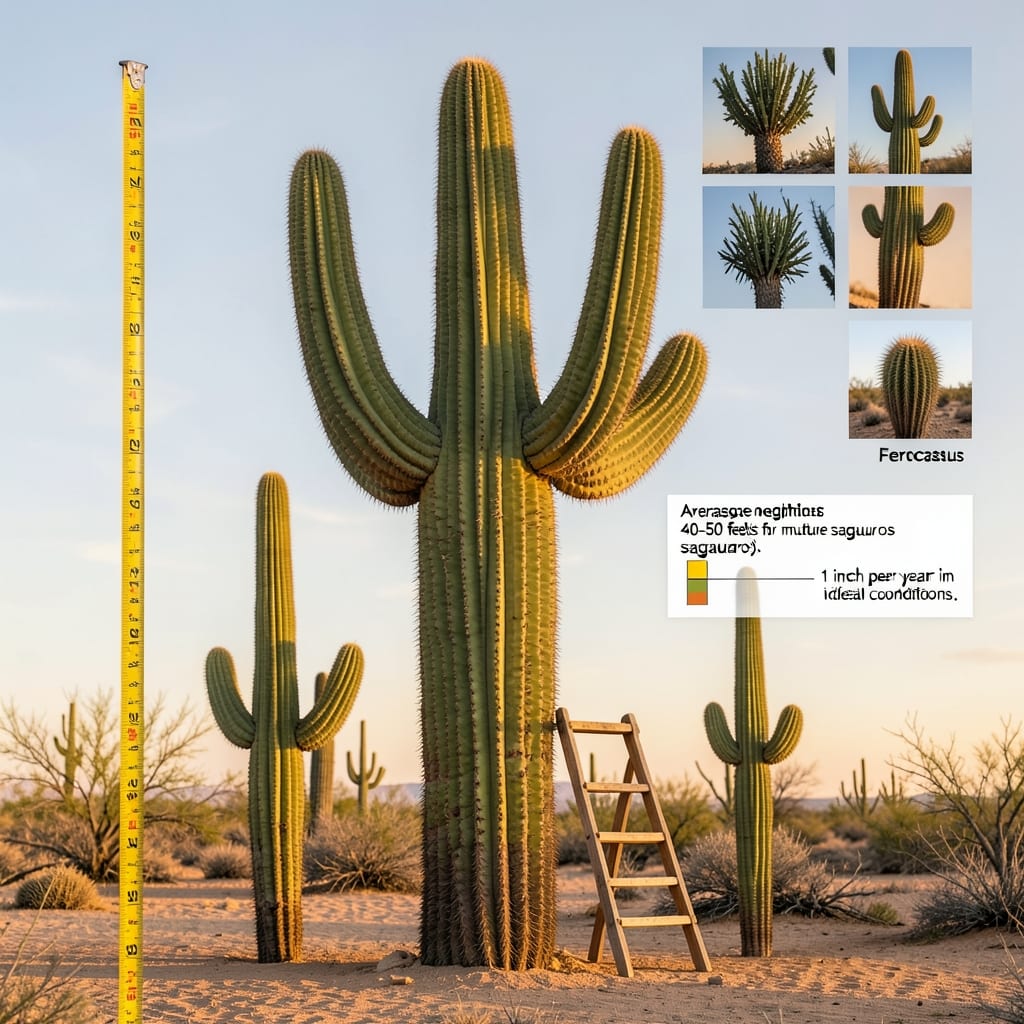
If you’ve ever wondered how tall can cactus grow, the answer might surprise you—some species stretch taller than a 5-story building, while others stay as small as your hand. The 🌵 saguaro in Arizona’s deserts, for example, can reach 50 feet or more, making it one of nature’s most impressive skyscrapers.
But size isn’t just about the species—where you live, how you care for it, and even the soil play a huge role. In USDA Zone 6a, like many home gardens, cacti grow slower but can still surprise you with their height over time. Whether you’re dreaming of a towering desert landscape or just want a low-maintenance plant for your windowsill, understanding these differences is the key.
I’ll break down the tallest cacti out there, from the giant Pachycereus to the pint-sized Mammillaria, and share tips to control their growth. You’ll learn how sunlight, water, and pruning can shape your cactus’s future—so you can pick the perfect 🌵 for your space, no matter how big (or small) you want it to be.
Ready to discover which cacti will thrive in your garden—or stay tiny on your shelf? Let’s dive into the fascinating world of cactus growth and find the perfect fit for you.


Tallest cactus species: from tiny to towering giants (height breakdown)
Cacti come in all shapes and sizes, but some species will leave you in awe with their towering heights. If you're dreaming of a desert skyscraper in your garden—or just curious about the extremes—you'll be surprised by how much variation exists. The tallest cactus species can reach heights that rival small trees, while others stay compact enough for windowsills. Let's explore the extremes, from dwarf varieties that barely grow taller than a soda can to giant columnar cacti that stretch toward the sky.
For most gardeners, the question isn't just about height but also about how quickly these plants grow and whether they're suitable for home landscapes. Some of these giants grow just a few inches per year, while others can add 2 feet annually under ideal conditions. Whether you're planning a desert-themed garden or just curious about nature's extremes, understanding these height ranges will help you choose the perfect cactus for your space.
| Cactus Species | Mature Height | Growth Rate | Best For |
|---|---|---|---|
| Pachycereus pringlei (Saguaro) | 50-60 ft | 1-2 in/year | Large landscapes, desert gardens |
| Carnegiea gigantea (Saguaro) | 40-50 ft | Slow | Arid climates, native plantings |
| Pilosocereus pachycladus (Night-blooming Cereus) | 15-20 ft | Moderate | Container gardens, desert landscapes |
| Ferocactus cylindraceus (Barrel Cactus) | 6-10 ft | Slow | Rock gardens, containers |
| Mammillaria spp. (Pincushion Cactus) | 1-3 ft | Fast | Windowsills, small gardens |
| Echinocereus engelmannii (Hedgehog Cactus) | 2-4 ft | Moderate | Rock gardens, borders |
| Ariocarpus fissuratus (Living Rock Cactus) | 1-2 in | Very slow | Succulent collections, rock gardens |
While the Pachycereus pringlei holds the record for the tallest cactus species—reaching heights of 60 feet or more—most gardeners won't have the space for such giants. However, even 10-foot columnar cacti like the Pilosocereus pachycladus can make a dramatic statement in a desert-themed garden. If you're working with limited space, smaller varieties like Mammillaria or Echinocereus are perfect for containers or windowsills. These dwarf cacti rarely exceed 3-4 feet in height, making them ideal for indoor gardening.
The key to choosing the right cactus for your space is understanding both the mature height and the growth rate. Some species, like the saguaro, grow incredibly slowly—taking decades to reach their full height—while others, like Mammillaria, can grow several inches in a single season. This means that even a 10-foot cactus might take years to reach its full potential, so patience is often required when growing these desert giants.
For those living in urban environments or with limited outdoor space, container gardening is a great solution. Many columnar cacti, including the Ferocactus cylindraceus, can thrive in large pots, allowing you to enjoy their striking forms without dedicating valuable garden real estate. Just ensure your containers have proper drainage, as root rot is a common issue for cacti that sit in soggy soil. A mix of cactus soil and perlite will help keep roots healthy while supporting steady growth.
If you're planning a themed garden or simply want to add vertical interest, consider mixing
Factors that determine cactus height: genetics, care, and environment
When it comes to cactus height, genetics play the starring role—but don’t underestimate the power of your care routine. Some species, like the saguaro, are hardwired to reach 50+ feet in their native deserts, while others like Mammillaria stay compact at just 3-6 inches. Even within the same species, individual plants can vary by 20-30% in height due to genetic quirks.
Your growing conditions can push a cactus toward its full potential—or hold it back. Too much shade might stunt a Carnegiea gigantea (saguaro) to half its possible height, while overwatering can cause weak, spindly growth in any species. Think of it like raising a child: give them the right environment, and they’ll thrive; neglect them, and they’ll struggle.
Here’s where things get interesting: soil composition and sunlight exposure create a feedback loop. Well-draining, mineral-rich soil lets roots access nutrients efficiently, while 6+ hours of direct sun fuels photosynthesis. Without these, even a genetically tall cactus might max out at 10 feet instead of 60 feet. That’s why desert roses (Adenium obesum) often grow as shrubs in containers but become small trees in their native habitats.
| Factor | Impact on Height | Example |
|---|---|---|
| Genetics | Determines max height potential | Pachycereus pringlei: 60+ ft | Mammillaria: 3-6 in |
| Sunlight | More sun = faster, taller growth | Desert cacti in shade grow 30% shorter |
| Water | Overwatering = weak, leggy growth | Saguaro in wet soil stays <10 ft vs. 50 ft dry |
| Soil | Poor drainage = stunted roots | Echinocactus in clay soil grows 2x slower |
| Pruning | Encourages bushier, shorter growth | Opuntia pruned stays <3 ft vs. 6 ft wild |
Even the smallest cacti can surprise you with their growth when given ideal conditions. Take the living rock cactus (Lithops), which typically stays under 2 inches tall—but in perfect conditions with supplemental grow lights, some hobbyists report plants reaching 3-4 inches. The key is consistency: match your care to the cactus’s native environment. A Madagascar palm cactus (Didiereaceae) needs high humidity to reach its full 15-foot potential, while a prickly pear (Opuntia) thrives in dry, rocky soil.
Don’t forget about temperature fluctuations, which act like a natural growth regulator. Many cacti enter dormancy in winter, pausing growth until spring. If you keep yours in a heated greenhouse year-round, it might grow faster but lose its natural height limitations. For example, a Barrel cactus (Ferocactus) in a warm climate can grow 2 inches per year, while one in a cooler zone might only add 1 inch annually.
Pro tip: Pay attention to your cactus’s growth rings—visible on some species like saguaro—to track its progress. Each ring often corresponds to a year of growth, giving you a real-time snapshot of how your care is (or isn’t) working. For container growers, root-bound plants will also grow taller faster as they stretch toward light, so repotting every 2-3 years can help maintain a more compact shape.