
Shrubs
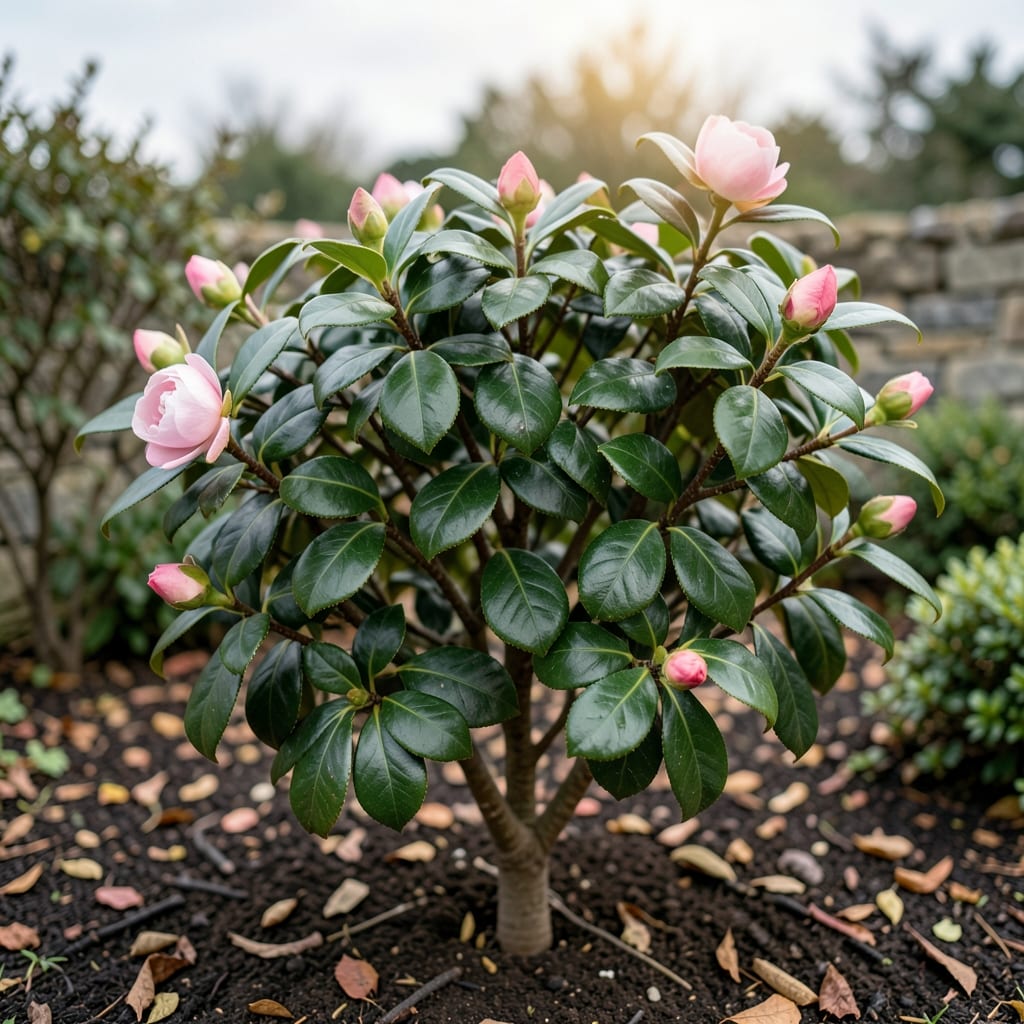
If you're dreaming of planting a 🌸 camellia but wondering how tall can camellias grow, the answer depends entirely on the variety you choose. Some camellias stay compact at just 3-6 feet, perfect for foundation plantings, while others stretch toward 30 feet—taller than your two-story house!
This dramatic range makes camellias one of the most versatile shrubs for gardens in USDA zones 6a-10a, but it also means your planting decisions could drastically change your landscape. Whether you're planning a fall addition or need to know how fast growth will happen, understanding these height differences is the key to avoiding pruning regrets later.
Let’s break down exactly which varieties stay small, which grow into trees, and how pruning can help you control their height. You’ll also discover how climate and soil play a surprising role in their growth—so you can pick the perfect camellia for your space.
Ready to find out which stunning blooms will fit your yard without requiring a ladder? The right choice could mean years of effortless maintenance—or a future battle with oversized shrubs.

Camellia height ranges by variety: from dwarf to giant trees
Camellias offer one of the widest height ranges in the shrub world—from compact dwarfs perfect for containers to towering trees that require ladders to admire. The variety you choose determines whether your camellia stays at 3 feet or stretches toward 30 feet, making this the first (and most important) factor in planning your garden layout.
Most gardeners focus on two main species: Camellia japonica (the classic, often larger types) and Camellia sasanqua (hardier, often smaller). But there’s also Camellia reticulata, which can grow into small trees with dramatic blooms. Let’s explore the exact height ranges you can expect from each group—and how to pick the right one for your space.
If you’re short on space, dwarf japonicas like ‘Donation’ or ‘Spring’s Promise’ (4–6 feet) are ideal for patios or windowsill containers. These varieties grow just 3–6 inches per year, making them low-maintenance choices. Meanwhile, Camellia sasanqua types like ‘Yuletide’ or ‘Bonanza’ grow faster (up to 12 inches per year) and are perfect for creating living screens or dramatic winter blooms.
For those who love a statement-making plant, Camellia reticulata varieties can reach 20–30 feet—taller than most houses! These are best planted as focal points in large gardens or near driveways where their height can be appreciated. Just be prepared for the pruning commitment these giants require over time.
One surprising factor that affects height is climate. In warmer zones (like USDA 8a–10a), camellias grow faster and taller, while in cooler areas (USDA 6a–7b), growth slows significantly. This means a 10-foot camellia in Florida might reach 15 feet in California but stay under 8 feet in the Pacific Northwest.
Before planting, check your variety’s mature height and compare it to your space. A 20-foot camellia planted near a 10-foot roof will eventually require removal—or a ladder for pruning! For small gardens, stick to dwarf or semi-dwarf varieties, while larger properties can accommodate the tree-forming types with ease.
Pro tip: If you’re unsure about a variety’s growth potential, ask your nursery for grafted camellias. These are often dwarf rootstocks with larger varieties grafted on top, giving you the look of a big bloomer in a compact package. It’s a clever way to enjoy 20-foot-height blooms in a 6-foot-space!
Ready to pick the perfect camellia for your garden? Start by measuring your space, then match it to the height ranges above. With the right choice, you’ll enjoy years of stunning blooms—without the headache of oversized shrubs taking over your yard. 🌿🌸
How pruning affects camellia growth: when & how to control height
Pruning is the secret weapon for controlling your camellia’s height—and doing it wrong can stunt growth or ruin next year’s blooms. Unlike many shrubs, camellias bloom on old wood, meaning last year’s growth produces this year’s flowers. This means timing and technique matter more than you might think.
If you prune at the wrong time, you could end up with fewer flowers or a leggy, uneven shape. But with the right approach, you can keep even the tallest varieties like Camellia japonica at a manageable height while still enjoying stunning blooms year after year.
Let’s start with the golden rule: Never prune in late summer or early fall—this is when buds form for next season’s flowers. Instead, aim for late winter or early spring, just as new growth begins. This timing gives your camellia time to recover before blooming season.
For dwarf varieties like ‘Donation’ (3-4 feet), minimal pruning is needed—just a light trim to shape. But for taller types like ‘Yuletide’ (10-15 feet), you’ll need a more structured approach. Use sharp, clean pruners to avoid tearing branches, and always cut just above a leaf node or bud to encourage healthy regrowth.
⚠️ Pruning Mistakes to Avoid
- Pruning after blooming – Removes next year’s flower buds.
- Over-pruning – Can stress the plant and reduce blooms.
- Using dull tools – Creates jagged cuts that invite disease.
- Cutting into old wood – Won’t produce new growth or flowers.
To maintain height, focus on selective pruning—remove only the longest branches that spoil the shape. For dramatic height reduction, you can prune back by up to one-third of the plant’s height in late winter, but expect fewer blooms that season as the plant redirects energy to new growth.
For container-grown camellias, pruning is even more critical since space is limited. Use regular light pruning throughout the growing season to keep them compact. And remember: patience is key—camellias respond slowly to pruning, so gradual adjustments yield the best results.
With these techniques, you can shape your camellia into anything from a tidy hedge to a small tree specimen—all while keeping its blooms abundant. Just time it right, and your camellia will thank you with years of lush foliage and stunning flowers. 🌿✂️