
Trees
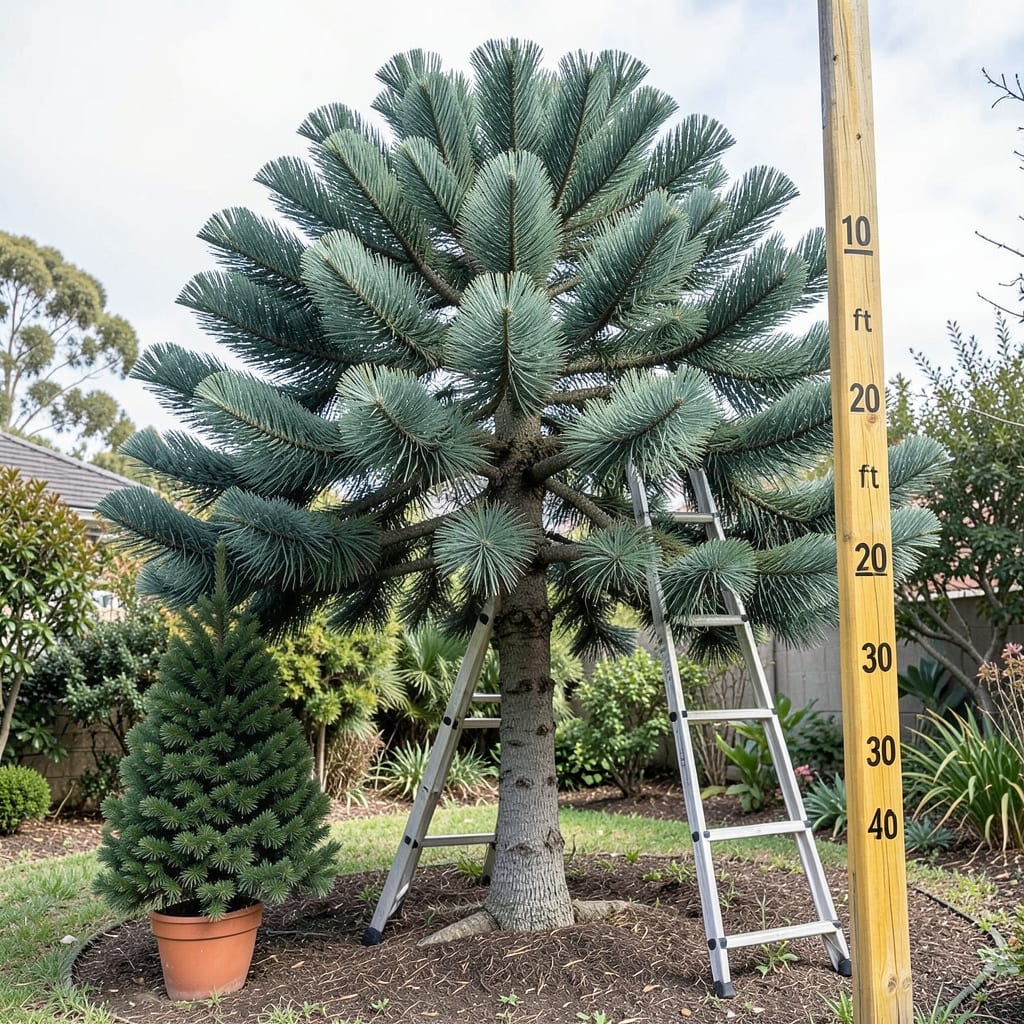
Curious about how tall can Christmas trees grow in your backyard? 🎄 Some varieties stretch toward the sky like natural skyscrapers, while others stay cozy and manageable—making them perfect for smaller spaces. Whether you're dreaming of a towering holiday centerpiece or planning a sustainable landscape, understanding these growth ranges is key.
The right species can transform your yard into a winter wonderland, but not all trees play by the same rules. Noble firs and Douglas firs often reach 60-80 feet when given room to grow, while dwarf varieties top out at just 10-15 feet. That means your choice could make or break your space planning—especially if you're working with limited room.
Growth isn't just about height, though. Soil quality, sunlight exposure, and even your local climate play huge roles in how fast and tall your 🎄 Christmas Tree will become. I'll break down the fastest-growing species and share pro tips to keep your tree at your ideal height—whether you want a statement piece or a neatly trimmed addition to your landscape.
Ready to pick the perfect tree for your space? Let's dive into the details so you can make an informed choice that fits your yard—and your holiday vision—perfectly.


Christmas tree species heights compared: from dwarf to giant varieties
If you've ever dreamed of growing your own Christmas tree but worried about space, don't panic! Christmas trees come in a stunning range of heights—from dwarf varieties that stay under 10 feet to giant species that can tower over 70 feet. The right choice depends on your yard size, climate, and how quickly you want holiday-ready foliage. Let's explore the most popular species and their mature heights.
For home gardeners with limited space, dwarf varieties like the Dwarf Alberta Spruce or Miniature Blue Spruce are perfect. These stay between 8-15 feet tall at maturity, making them ideal for small yards or even large containers. Meanwhile, traditional holiday favorites like the Fraser Fir and Douglas Fir can reach 50-70 feet when grown in optimal conditions.
🌱
| Species | Mature Height (ft) | Growth Rate (ft/year) | Best For |
|---|---|---|---|
| Dwarf Alberta Spruce | 8-15 ft | 1-2 ft | Small yards, containers |
| Miniature Blue Spruce | 10-12 ft | 1-1.5 ft | Ornamental landscaping |
| Scotch Pine | 40-60 ft | 2-3 ft | Large properties, windbreaks |
| Fraser Fir | 50-70 ft | 2-3 ft | Holiday trees, commercial farms |
| Douglas Fir | 60-80 ft | 3-4 ft | Wild landscapes, large estates |
| Noble Fir | 60-100 ft | 3-5 ft | Mountain regions, forests |
| Leyland Cypress | 40-60 ft | 3-5 ft | Fast-growing privacy screens |
| White Pine | 50-80 ft | 2-3 ft | Wildlife habitats, large gardens |
| Nordmann Fir | 50-70 ft | 2-3 ft | Holiday trees, commercial use |
The growth rate varies dramatically between species. Fast growers like the Leyland Cypress can add 3-5 feet per year, while slower varieties like the Dwarf Alberta Spruce grow just 1-2 feet annually. This means a Leyland Cypress could reach holiday height in as little as 5-10 years, while a Fraser Fir might take 15-20 years to reach its full potential.
Climate plays a huge role in height too. Trees like the Noble Fir thrive in cooler mountain regions where they can reach 100 feet, while species like the Scotch Pine adapt well to drier climates and still grow impressively tall. If you live in a warmer zone, consider dwarf varieties or semi-dwarf options that stay under 25 feet.
For those who love the classic look but lack space, semi-dwarf varieties like the Semi-Dwarf Blue Spruce offer a compromise. These stay between 15-25 feet tall while maintaining the traditional Christmas tree shape. They're perfect for medium-sized yards and grow at a steady 2 feet per year, reaching maturity in about 10 years.
One surprising fact is that container-grown Christmas trees often stay shorter than their field-grown counterparts. This is because root restriction naturally limits height. If you're growing in a large pot, expect your tree to max out around 10-15 feet—ideal for urban gardeners or those with small patios.
🌳
When choosing a species, also consider its needle retention. The Nordmann Fir, for example, holds its needles for 6-8 weeks longer than a Fraser Fir, making it a favorite for holiday displays. Meanwhile, the Scotch Pine has <
How to control Christmas tree height: pruning and spacing tips for home gardens
If you’re dreaming of a Christmas tree in your yard but worried about it becoming a space hog, don’t fret! With the right pruning techniques and planting spacing, you can keep even the tallest varieties manageable. The key is understanding when and how to intervene—because once a tree reaches maturity, it’s too late to control its height.
For home gardens, spacing is your first defense. Plant dwarf varieties like the ‘Teddy Bear’ Douglas fir (10–15 ft) at least 6 feet apart, while standard species like Fraser firs (50–70 ft) need 20–30 feet of clearance to avoid crowding. Check local tree height regulations—some neighborhoods limit mature trees to 20 feet for safety.
When pruning, focus on structural shaping rather than reducing height. Use clean, sharp pruners to remove dead branches or those rubbing together. For height control, target the topmost buds—cutting just above a bud cluster encourages bushier growth. Avoid topping (severing the main stem), as this creates unsightly stubs and weakens the tree.
Mulching plays a surprising role in height management. A 3-inch layer of organic mulch (like pine straw or wood chips) keeps roots cool and conserves moisture, which slows early-season growth spurts. Just keep mulch 6 inches away from the trunk to prevent rot. Pair this with consistent watering—deep soaks once a week during dry spells—to avoid stress that triggers rapid height growth.
If your tree is already too tall for your space, consider root pruning in early spring. Carefully sever outer root tips with a spade to redirect energy toward lateral branches instead of vertical growth. This works best on young trees (under 5 years old) and should only be done by experienced gardeners to avoid damaging the root system.
For small yards, opt for container-grown Christmas trees. Species like ‘Little Gem’ Southern magnolia or ‘Blue Dwarf’ spruce thrive in 15-gallon pots and max out at 10–12 feet. Just remember: Potted trees need regular repotting (every 2–3 years) and winter protection (burlap wraps) in cold climates.