
Flowers
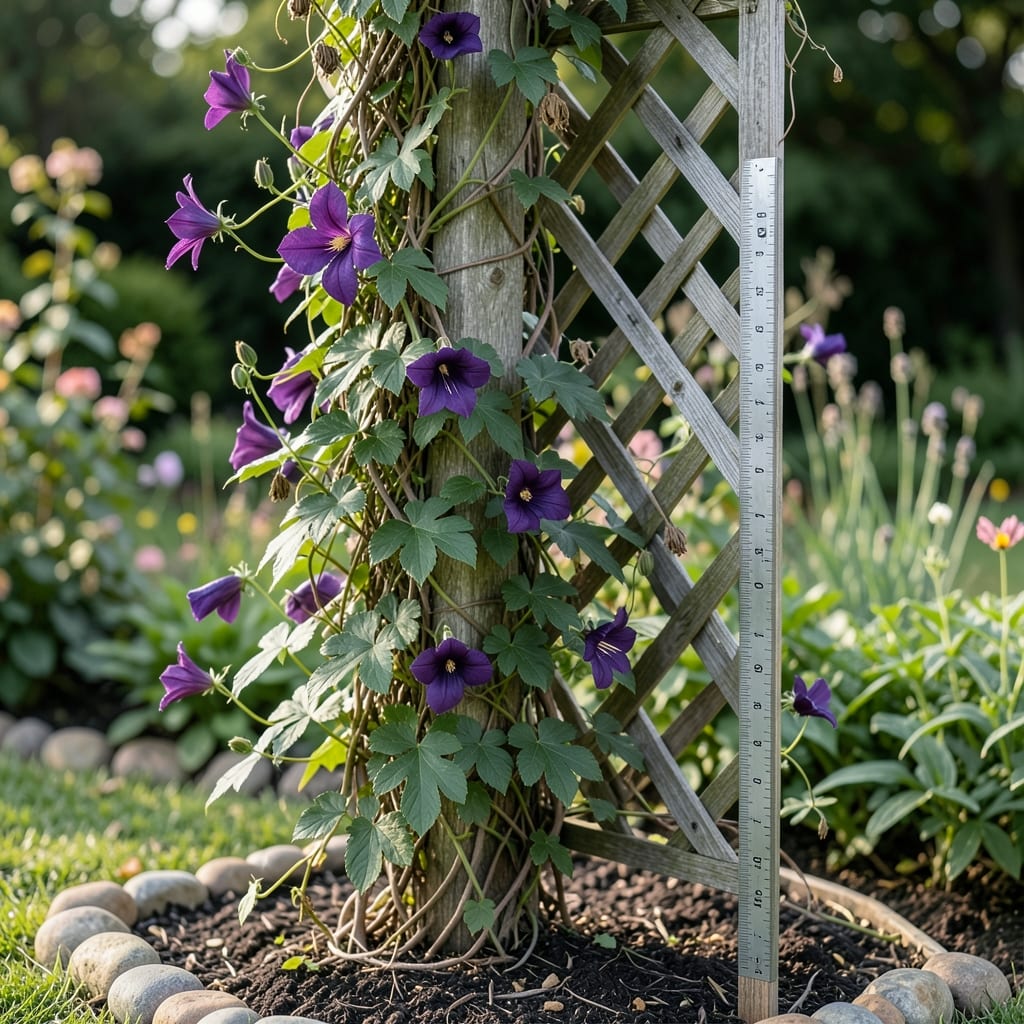
If you’ve ever wondered just how tall can clematis grow, the answer might surprise you—these stunning vines can stretch from a modest 3 feet to towering heights of 30 feet or more! Whether you're dreaming of a dramatic vertical garden or need a compact vine for a small space, understanding clematis growth habits is the first step to success.
The key to managing their height lies in choosing the right variety for your garden. Some clematis, like the Clematis montana, climb like a 20-foot giant, while others, such as Clematis recta, stay neatly contained at just 3-6 feet. Pruning plays a huge role too—whether you prefer a wild, sprawling look or a neatly trimmed trellis, your approach will shape how tall (or short) your clematis becomes.
But here’s the thing: even the most aggressive climbers can be controlled with the right techniques. I’ll show you how to pick the perfect trellis, prune for your desired height, and even troubleshoot overgrowth. By the end, you’ll know exactly how to balance beauty and manageability in your garden.
Ready to transform your space with clematis? Let’s dive into the varieties, pruning zones, and pro tips that will help you grow the perfect height—no matter how big (or small) your dream vine is!


Clematis growth heights by species: from dwarf to giant varieties
Clematis vines can transform your garden into a lush vertical canvas, but their mature height varies dramatically—from 3-foot dwarf varieties to 30-foot giants that climb two-story buildings. Choosing the right species isn’t just about space; it’s about matching your pruning commitment and support structure to the vine’s natural growth habits.
The three pruning groups (1, 2, and 3) directly influence height, with Group 1 (no prune) varieties like Clematis montana reaching 20–30 feet, while Group 3 (hard prune) cultivars like Clematis viticella max out at 10–15 feet when aggressively trimmed. Even within groups, soil quality and sunlight exposure can push heights beyond expectations.
Dwarf clematis (3–6 feet) are perfect for container gardens or small balconies. Examples include Clematis recta (old-man’s beard), which thrives in USDA Zones 4–8 and blooms on new wood. These compact varieties need minimal support, like a small trellis or obelisk, and light pruning to encourage bushiness.
| Variety | Mature Height | Pruning Group | Best For |
|---|---|---|---|
| Clematis montana | 20–30 ft | Group 1 (No Prune) | Large trellises, walls |
| Clematis viticella | 10–15 ft | Group 3 (Hard Prune) | Arbors, pergolas |
| Clematis recta | 3–6 ft | Group 2 (Minimal Prune) | Containers, small spaces |
| Clematis armandii | 25–30 ft | Group 1 (No Prune) | Large fences, trees |
| Clematis integrifolia | 6–10 ft | Group 2 (Minimal Prune) | Balconies, trellises |
For medium-height clematis (6–10 feet), Clematis integrifolia (virgin’s bower) is a standout, blooming on old wood and perfect for balconies or small pergolas. These varieties often self-support but benefit from a lightweight trellis to guide growth. Group 2 pruning (minimal cuts in late winter) keeps them bushy and manageable.
At the opposite end are giant clematis like Clematis armandii, which can outgrow your fence if left unchecked. Native to China, this evergreen vine thrives in USDA Zones 7–9 and produces fragrant white flowers in early spring. To control its 25–30-foot reach, pair it with a strong trellis system and regular training during the growing season.
Even within a single species, height can vary. For example, Clematis viticella (a Group 3 variety) typically hits 10–15 feet but can double in height if grown in rich, well-draining soil with full sun exposure. Conversely, overcrowded roots or poor drainage stunt growth, leaving you with a leggy, weak vine that struggles to climb.
If you’re working with limited vertical space, consider dwarf hybrids like Clematis ‘Jackmanii’ (6–10 feet) or Clematis ‘Niobe’ (8–10 feet). These Group 3 varieties bloom profusely on new growth and respond well to hard pruning in late winter. With the right support structure—like a 6-foot obelisk—you can enjoy their vibrant blooms without sacrificing garden space.
Remember, height isn’t set in stone. A Group 1 clematis like *Clematis mont
How pruning zones affect Clematis height: a gardener’s guide
Pruning isn’t just about shaping your clematis—it’s the secret weapon to controlling its vertical growth. The three pruning groups (1, 2, and 3) dictate how tall your vine will climb, and choosing the wrong approach can leave you with a wild, unmanageable monster or a stunted, underwhelming display. Let’s break down how each group influences height and when to wield your pruners for optimal results.
Group 1 clematis (like Clematis montana) are the non-pruners, blooming on old wood from last year. These varieties naturally reach 15–30 feet if left unchecked, so minimal trimming focuses on removing dead or crossing stems—never cutting back more than 10% of the vine. Over-pruning here can kill next year’s blooms, so think of it as a light grooming session rather than a haircut.
Group 2 clematis (such as Clematis viticella) bloom on both old and new wood, making them moderate pruners. You can trim back 1/3 of the vine in early spring to encourage taller, bushier growth while preserving some old stems for early blooms. This group typically tops out at 10–20 feet, but aggressive pruning can reduce height by 30–50%—ideal for smaller spaces or container gardening.
Pruning Group 3: Hard Pruners
- Encourages taller, stronger growth (10–20 ft)
- Produces more blooms on new wood
- Easier to train on trellises
- Requires annual hard pruning (late winter)
- No blooms first season after planting
- Over-pruning can stress the plant
Group 3 clematis (like Clematis jackmanii) are the hard pruners, blooming exclusively on new wood. These varieties can explode to 15–20 feet with proper care, but their growth is highly responsive to pruning. Cut back all stems to 12 inches in late winter to trigger vigorous spring growth. This group is perfect for vertical gardens or training along fences, but skip the pruners if you want a shorter, bushier look.
Over-pruning is a common mistake that stunts growth and reduces blooms. If your clematis looks sparse or leggy, it’s often a sign of too much cutting rather than too little. For overgrown vines, focus on selective pruning—remove only the longest, weakest stems to redirect energy to healthier growth. Always prune after the last frost to avoid damaging dormant buds.
To revive an over-pruned clematis, feed it with a high-phosphorus fertilizer (like 5-10-10) in early spring and water deeply to encourage root recovery. Within 2–3 years, your vine should rebound to its natural height potential, provided you’ve chosen the right pruning group for your variety. For small-space gardens, opt for Group 2 varieties like Clematis ‘Niobe’ (6–10 ft) and prune lightly in spring to keep heights manageable.