
Size
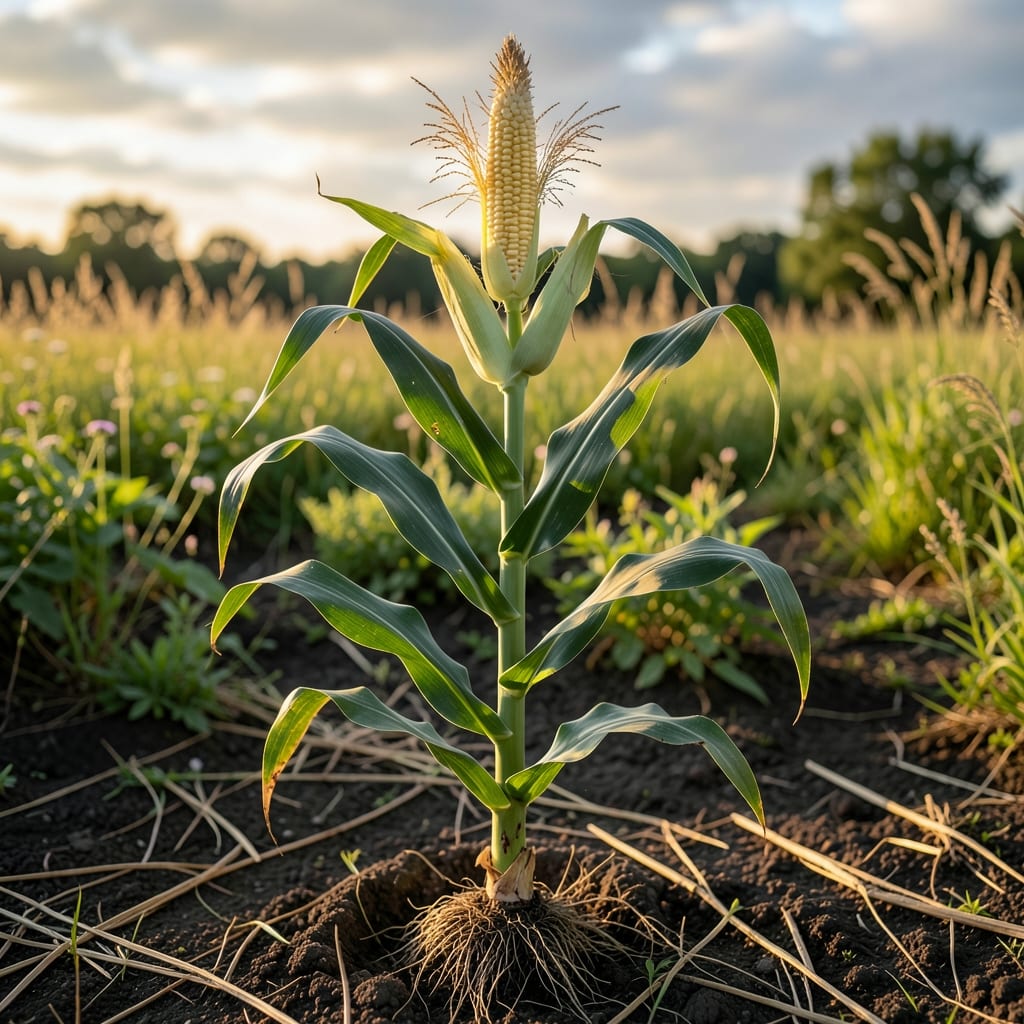
If you’ve ever wondered how tall can corn plants grow, you’re not alone—this question separates the casual gardener from the one who plans for real harvests. Some varieties stretch toward the sky like nature’s skyscrapers, while others stay neatly tucked in small plots. The difference isn’t just about space; it’s about yield potential, pest resistance, and even how you’ll harvest those golden ears.
Picture this: a 12-foot-tall stalk of 🌽 standing proudly in your garden, its leaves brushing the clouds—or maybe that’s just a dream if you’re working with limited space. The truth is, corn height varies wildly depending on the variety, from dwarf types perfect for containers to field corn giants that need acres to thrive. Knowing these differences helps you pick the right plants for your goals, whether you’re aiming for a backyard bounty or a record-breaking experiment.
But here’s the catch: height isn’t just about genetics. Growing conditions—like soil nutrients, water, and sunlight—can push your corn to reach its full potential or leave it struggling. I’ll break down the key factors that influence height, from choosing the right seeds to avoiding common pitfalls that stunt growth. Ready to grow corn that doesn’t just survive but thrives?
Let’s dive into the world of corn heights, where space-saving tips meet giant-growing secrets—and discover how to make the most of your garden, no matter its size.


Corn plant height by variety: from dwarf to giant records
Corn isn’t one-size-fits-all when it comes to height. Some varieties stay humble at 3 feet, while others shoot up like 12-foot-tall giants. The difference comes down to genetics, breeding goals, and even historical uses—like sweet corn for eating versus field corn for livestock feed. Let’s break down the height spectrum so you can pick the perfect variety for your garden’s size and goals.
First, the dwarf varieties are the space-savers, ideal for containers, small plots, or urban gardens. These include 'Golden Bantam', a classic heirloom that tops out around 3-5 feet, and 'Tiny and Tender', which stays under 4 feet. They’re perfect if you’re short on space but still want that fresh corn flavor. The trade-off? Fewer ears per stalk, but they’re easier to manage and harvest.
Next, the standard sweet corn varieties hit the 5-8 foot range. These are the crowd-pleasers for home gardens, like 'Silver Queen' or 'Peaches and Cream'. They strike a balance between yield and manageability, making them the go-to for most backyard growers. These varieties are bred to produce 8-12 ears per stalk, so height isn’t just about space—it’s about harvest potential.
Now, for the showstoppers: giant corn varieties like 'Mammoth Melting' and 'Country Gentleman' can reach 10-12 feet or more. These aren’t just tall—they’re record-breakers. In 2017, a 19-foot-tall corn plant grew in Illinois, but that’s an extreme outlier. Most giants hover around 10-12 feet, with thick stalks and massive ears. They’re stunning in a field but need ample space and rich soil to thrive.
| Variety | Height Range | Best For | Notes |
|---|---|---|---|
| Golden Bantam | 3-5 ft | Containers, small gardens | Heirloom, sweet, 4-6 ears |
| Tiny and Tender | 3-4 ft | Urban gardens, short seasons | Early maturing, 6-8 ears |
| Silver Queen | 6-8 ft | Home gardens, fresh eating | Classic sweet corn, 10-12 ears |
| Mammoth Melting | 10-12 ft | Large plots, displays | Giant ears, needs space |
| Country Gentleman | 9-11 ft | Field corn, livestock | Drought-tolerant, large kernels |
Field corn, like 'Country Gentleman', often grows taller because it’s bred for kernel size and drought resistance rather than sweetness. These varieties can handle harsher conditions and still produce heavy yields. If you’re growing corn for animals or seed, height isn’t a dealbreaker—it’s a feature. But if you’re after sweet corn, prioritize dwarf or semi-dwarf varieties for easier harvesting and less risk of lodging (when plants fall over).
Height also plays a role in pest management. Taller corn can be harder for raccoons or deer to reach, but it’s also more vulnerable to wind damage and fungal diseases like rust. If you’re in a windy area, consider shorter varieties or stake them for support. And don’t forget: soil fertility directly impacts height. Corn needs nitrogen-rich soil to grow tall, but too much can lead to weak stalks that snap under their own weight.
Pro tip: If you love the idea of giant corn but lack space, try 'Peaches and Cream' or 'Bodacious'. These 7-9 foot varieties offer a middle ground—tall enough for drama but manageable in a medium-sized garden. They’re also high-yielding, so you’ll get plenty of ears without sacrificing your lawn to corn stalks.
Now that you know the height spectrum, the next step is choosing what fits your garden. Want to grow corn that’s eye-catching but space-efficient? Or are you dreaming of 10-foot-tall giants that wow your neighbors? The right variety makes all the difference—let’s explore how to maximize growth without losing your sanity (or your garden space).
Corn plant height by variety: from dwarf to giant records
Corn isn’t one-size-fits-all when it comes to height. Some varieties stay humble at just 3 feet, while others shoot up like skyscrapers, reaching over 12 feet. The difference often comes down to genetics and growing purpose—whether you’re after sweet kernels for eating or sturdy stalks for livestock feed. Let’s explore the spectrum of corn heights, from backyard-friendly dwarfs to record-breaking giants that’ll make your neighbors do a double-take.
For gardeners with limited space, dwarf varieties like 'Little and Lovely' or 'Golden Bantam' are perfect. These stay between 3-5 feet tall, making them ideal for containers or small plots. They’re also great for beginners because their compact size means fewer structural concerns—no need for staking or worrying about wind damage. Plus, their shorter stature can actually improve air circulation, reducing the risk of fungal diseases like corn smut.
But if you’re dreaming of giant corn, varieties like 'Mammoth Melting' and 'Country Gentleman' can reach heights of 10-12 feet or more. These aren’t just for show—they produce larger ears and can yield more kernels per stalk. However, they require ample space, rich soil, and consistent care to reach their full potential. Think of them as the athletes of the corn world, needing the right conditions to shine.
| Variety | Height Range | Best For | Notes |
|---|---|---|---|
| Golden Bantam | 3-4 ft | Containers, small gardens | Heirloom, sweet corn, easy to grow |
| Little and Lovely | 4-5 ft | Backyard plots, urban gardens | Drought-tolerant, great for beginners |
| Country Gentleman | 10-12 ft | Large gardens, livestock feed | Record-breaking height, needs space |
| Mammoth Melting | 12+ ft | Experimental gardens, displays | Requires trellising, high nutrient needs |
| Bodacious | 6-8 ft | Standard gardens, fresh eating | Sweet corn, disease-resistant |
Choosing the right variety isn’t just about height—it’s about balancing your garden’s space constraints with your goals. If you’re growing corn for fresh eating, sweet corn varieties like 'Bodacious' (6-8 feet) strike a great middle ground. They’re tall enough for good yields but not so massive that they overwhelm a backyard. Meanwhile, if you’re after ornamental value or want to impress visitors, giant varieties like 'Mammoth Melting' can turn your garden into a showstopper.
One common misconception is that taller corn always means better yields. While it’s true that giants like 'Country Gentleman' can produce more kernels, they also demand more resources. Poor soil or inconsistent watering can leave even the hardiest varieties stunted. That’s why I always recommend testing your soil before planting—corn is a heavy feeder, and without the right nutrients, even a 12-foot-tall plant won’t reach its potential. Aim for a soil pH of 6.0-6.8 and amend with compost or a balanced fertilizer to give your corn the best start.
For those with limited space, don’t dismiss dwarf varieties just because they’re small. Some, like 'Golden Bantam,' produce surprisingly large ears relative to their height. They’re also easier to manage, making them perfect for container gardening or small urban plots. Plus, their shorter stature can reduce the risk of lodging (when plants fall over), which is a common issue with taller varieties in windy conditions. So whether you’re working with a postage-stamp garden or a sprawling field, there’s a corn variety that’ll fit your space—and your ambitions.