
Trees
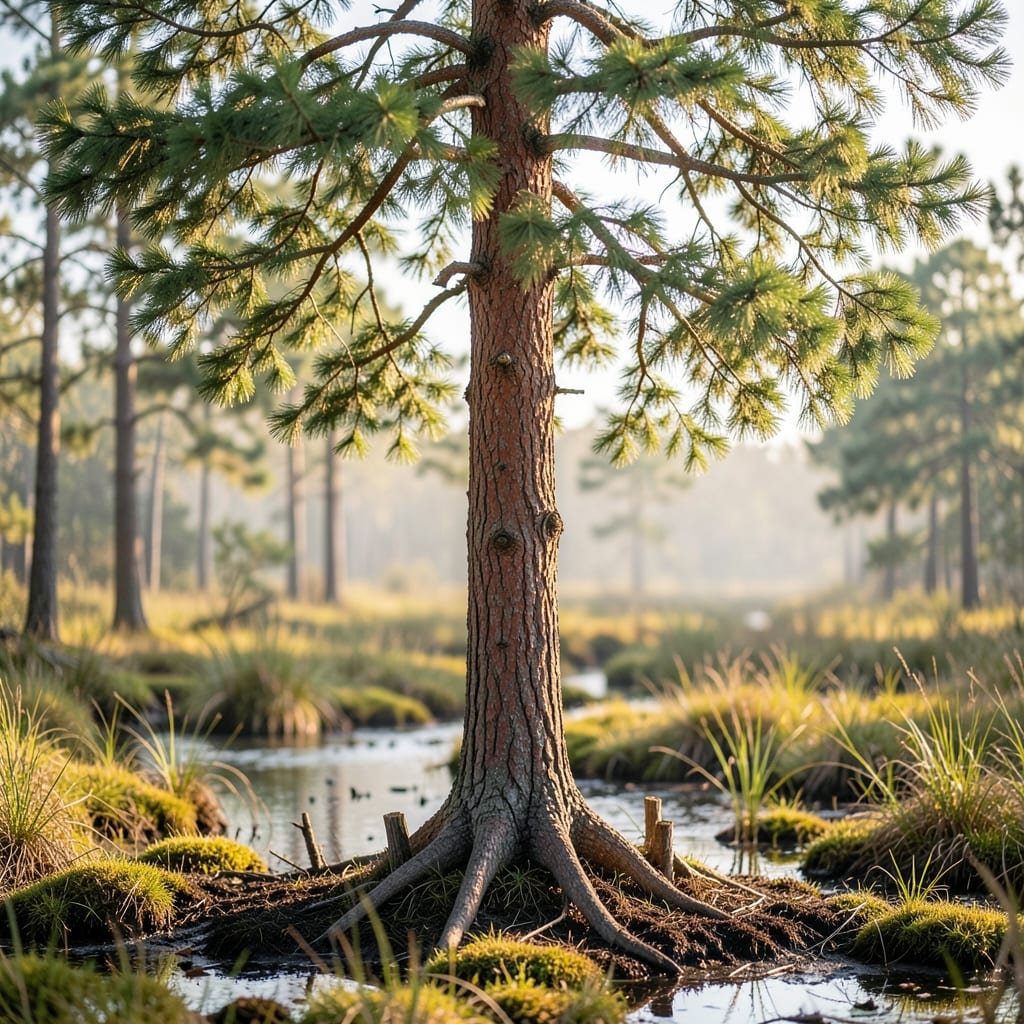
If you're wondering "how tall can cypress trees grow", you're in for a surprise—these stunning 🌲 giants can stretch from modest shrubs to towering skyscrapers of the plant world, depending on the variety. Some species reach heights that dwarf even the tallest two-story homes, while others stay perfectly manageable for smaller yards.
Whether you're dreaming of a dramatic backyard focal point or need a space-saving option, understanding the height potential of cypress trees is key. From the 75-foot giants that dominate landscapes to dwarf varieties that top out at just 10 feet, there's a perfect fit for every garden size and style.
But here's the catch: height isn't just about genetics—your climate, soil quality, and even pruning habits play huge roles in how these trees mature. I'll break down everything you need to know to choose the right cypress for your space and keep it thriving for decades.
Let's explore the stunning range of cypress heights and discover how you can work with nature (and a little strategic planning) to get the perfect tree for your outdoor vision.


Cypress tree height by variety: from dwarf to sky-skimming giants
Cypress trees are nature’s vertical masterpieces, but their mature heights vary dramatically depending on the variety. Some tower over your home like a living skyscraper, while others stay compact enough for small yards. Let’s explore the height ranges of popular cypress species and how they fit into your landscape plans.
If you love the dramatic silhouette of cypress trees but lack space, don’t worry—there’s a variety for every yard size. From the Bald Cypress, which thrives in wet soils, to the Leyland Cypress, a fast-growing favorite for privacy screens, each type has unique growth habits and space requirements.
Key factors like climate, soil type, and pruning influence how tall a cypress tree grows. For example, a Monterey Cypress in coastal California may reach 75 feet with ideal conditions, while the same tree in a container might stay under 20 feet. Let’s break down the most popular varieties and their mature heights.
| Variety | Mature Height | Growth Rate | Ideal Spacing |
|---|---|---|---|
| Bald Cypress | 50–75 ft | Moderate (1–2 ft/year) | 30–50 ft from structures |
| Monterey Cypress | 30–75 ft | Fast (2–3 ft/year) | 20–30 ft from buildings |
| Leyland Cypress | 60–75 ft | Very Fast (3–5 ft/year) | 15–20 ft from structures |
| Italian Cypress | 20–40 ft | Slow to Moderate (6–12 in/year) | 10–15 ft from walls/fences |
| Dwarf Varieties (e.g., 'Swane's Gold') | 10–15 ft | Slow (3–6 in/year) | 5–10 ft from borders |
The Leyland Cypress is the fastest-growing variety, shooting up 3–5 feet per year and reaching 60–75 feet in ideal conditions. This makes it perfect for privacy screens or windbreaks, but it needs plenty of space to avoid overcrowding nearby plants or structures.
On the other hand, dwarf varieties like 'Swane's Gold' stay under 15 feet tall, making them ideal for small yards, containers, or accent planting. These compact cypress trees grow slowly, so they’re low-maintenance and perfect if you want the look without the space commitment.
For urban gardens or tight spaces, consider the Italian Cypress, which typically maxes out at 20–40 feet. Its slender, columnar shape makes it a classic choice for entryways or garden borders, where height is controlled naturally by its growth habit.
If you’re planting near power lines or rooftops, always check local regulations—some areas restrict tree heights near utilities. A Bald Cypress, which can grow 50–75 feet, might need regular pruning to stay within legal limits while maintaining its majestic form.
Pruning plays a huge role in managing height. For example, topping a Leyland Cypress can stunt its vertical growth, but it may produce bushier, less elegant branches. If you love the tapered shape of cypress trees, avoid heavy pruning—focus on shaping rather than drastic height reduction.
Climate also affects height. Coastal areas with high humidity and mild winters (like California) encourage faster, taller growth in species like the Monterey Cypress. In drier climates, such as the Southwest, growth may be slower, and trees might stay shorter unless given extra care.
Before planting, measure your space and research local mature tree heights for your chosen variety. A 75-foot cypress near a 2-story house might cast unwanted shade or block views—plan ahead to avoid regrets! 🌲
How to choose a Cypress tree based on your space & climate
Selecting the right cypress tree for your yard isn’t just about aesthetics—it’s about matching the tree’s growth habits to your available space and local climate. Some varieties grow like skyscrapers, while others stay compact, making them perfect for urban gardens or small backyards. Start by measuring your space and checking your USDA hardiness zone to narrow down options.
For small yards or urban gardens, dwarf varieties like the Italian Cypress or Sawara Cypress are ideal. These stay between 10-20 feet tall and thrive in tight spaces, offering the classic cypress silhouette without overwhelming your landscape. If you’re in a coastal climate, the Monterey Cypress is a resilient choice, handling salty air and sandy soil with ease.
🌲
- 🌳 Large estates: Leyland Cypress (60-75 ft) or Bald Cypress (50-75 ft)
- 🏡 Suburban yards: Monterey Cypress (30-40 ft) or Arizona Cypress (20-30 ft)
- 🏙️ Urban gardens: Italian Cypress (10-20 ft) or Dwarf Hinoki Cypress (6-10 ft)
- ☀️ Hot/dry climates: Arizona Cypress (drought-tolerant)
- 🌊 Coastal areas: Monterey Cypress (salt-tolerant)
- ❄️ Cold zones (4-7): Bald Cypress (handles wet soil)
- All cypress varieties need 6+ hours of sun daily
- Partial shade slows growth and weakens structure
- Prune fast-growing varieties (Leyland) annually to control height
- Avoid heavy pruning of mature trees—it stresses the wood
- Shape young trees in early spring for best results
Don’t overlook soil drainage—most cypress trees despise soggy roots. Amend heavy clay soil with compost or sand to improve aeration. If your yard has poor drainage, the Bald Cypress is a standout choice, thriving in wet or swampy conditions that would kill other trees.
For urban planners, consider the Leyland Cypress’s rapid growth (3-5 feet per year) if you need a quick privacy screen—but be prepared for its eventual 70-foot height. Alternatively, the Sawara Cypress grows slowly (1-2 feet per year) and tops out at 40 feet, making it a low-maintenance option for medium-sized yards.
Pro tip: Plant cypress trees 10-15 feet away from structures like houses or fences to avoid future root conflicts. And if you’re unsure, start with a container-grown sapling—you can always transplant it later if it outgrows its spot.
🪴