
Flowers
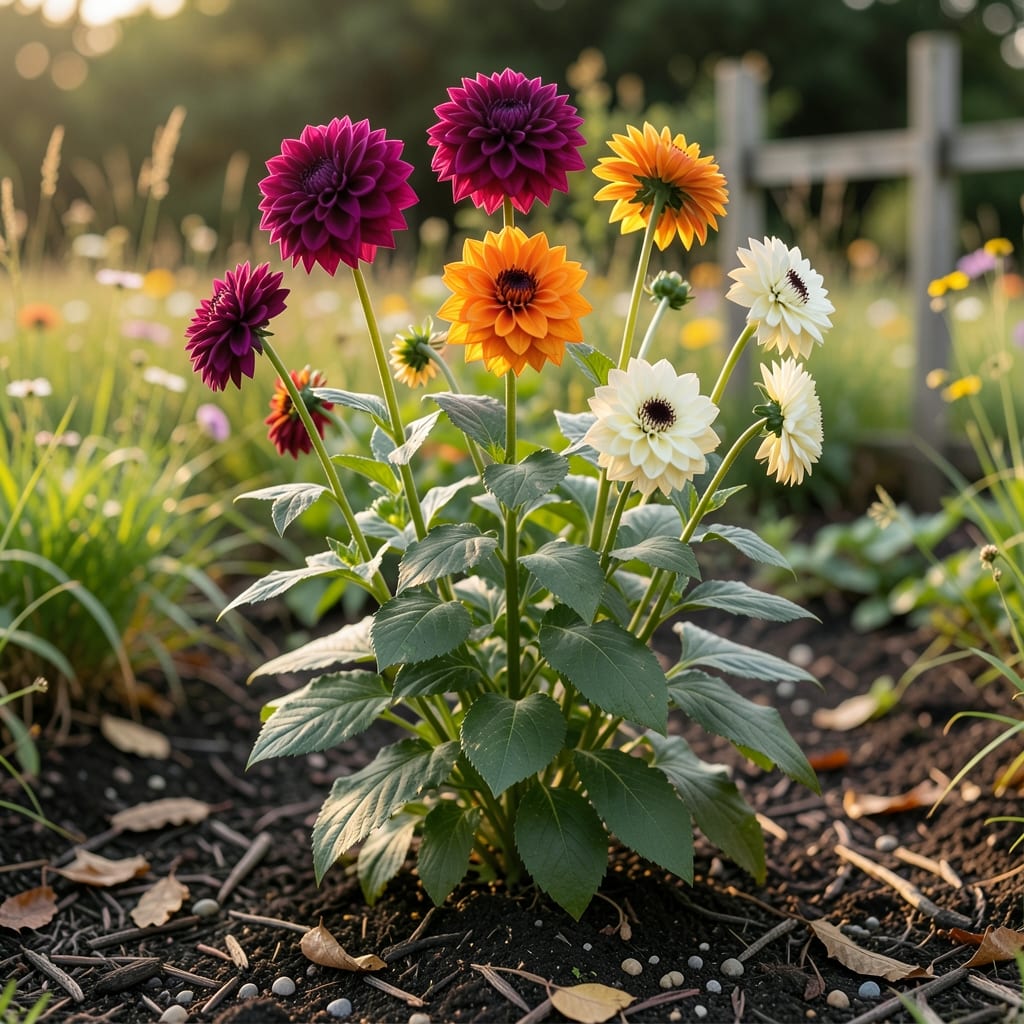
If you’ve ever wondered how tall can dahlias grow, you’re about to discover that these stunning 🌸 flowers can reach heights that rival small trees—some even topping 7 feet with the right care! Whether you’re planning a dramatic backyard display or a compact container garden, understanding dahlia height variations is key to maximizing your space and blooms.
Dahlias aren’t one-size-fits-all; their height depends entirely on the variety you choose. Dwarf types stay cozy at just 12-18 inches, perfect for borders or window boxes, while semi-dwarf and standard varieties climb to 3-5 feet, ideal for mid-height garden beds. But the real showstoppers? Giant dahlias that stretch toward the sky, demanding sturdy support and extra TLC.
The secret to encouraging towering growth lies in soil quality, pruning techniques, and proper staking—all of which I’ll break down so you can nurture your dahlias into vertical masterpieces. With the right approach, even a first-year plant can surprise you by reaching 4-6 feet, and mature specimens? They’ll leave your neighbors reaching for their measuring tape.
Ready to transform your garden into a dahlia skyline? Let’s explore the tallest varieties, care tips, and how to keep those blooms upright—no flopping allowed! Whether you’re a seasoned gardener or a newbie with a green thumb, these insights will help you grow dahlias that command attention (and maybe a few compliments).


Dahlia height variations: from compact to towering giants (with exact measurements)
Dahlias are like the chameleons of the flower world—some stay small and tidy, while others grow tall enough to block your view of the neighbor’s fence. The height of dahlias depends almost entirely on the variety you choose, with ranges spanning from 8 inches to over 7 feet. Understanding these differences will help you plan your garden layout, choose the right support structures, and avoid the heartbreak of floppy, top-heavy blooms.
For example, dwarf dahlias like ‘Mignon’ or ‘Tom Thumb’ top out at just 12-18 inches, making them perfect for window boxes, container gardens, or edging flower beds. These compact varieties are also ideal for first-time growers because they require minimal staking and thrive in smaller spaces. On the opposite end of the spectrum, giant dahlias like ‘Thomas Edison’ or ‘Karma Choc’ can reach 6-7 feet tall, creating dramatic focal points in your landscape.
But here’s where it gets interesting: even within the same variety, a dahlia’s height can vary based on growing conditions. A well-fed, pruned, and staked ‘Thomas Edison’ might hit 7 feet, while one grown in poor soil or neglected care could max out at 4-5 feet. That’s why I always recommend testing your soil and providing consistent care—especially for towering varieties.
Let’s break down the height categories so you can pick the perfect dahlia for your space and style:
| Variety Type | Height Range | Best For | Bloom Size |
|---|---|---|---|
| Dwarf | 8–18 inches | Containers, borders, window boxes | 2–4 inches |
| Semi-Dwarf | 1.5–3 feet | Mid-height beds, mixed borders | 4–6 inches |
| Standard | 3–5 feet | Back of borders, cut flower gardens | 6–10 inches |
| Giant | 5–7+ feet | Dramatic focal points, trellises | 10–16+ inches |
Notice how bloom size often scales with height? Giant dahlias don’t just grow taller—they produce massive flowers that can reach 16 inches across or more. These are the dahlias that turn heads at garden shows and make your Instagram feed pop. But with great height comes great responsibility: you’ll need to invest in sturdy stakes or cages to prevent those heavy blooms from snapping stems.
Another fun fact: dahlias grow faster in their second and third years. A first-year plant might only reach 2-4 feet, but with proper care, it can double or triple in height by year three. That’s why many gardeners treat dahlias as perennial workhorses, digging up and storing tubers over winter to replant the following spring. If you’re patient, your dahlias will reward you with year-over-year growth that’s truly impressive.
One common misconception is that all tall dahlias need is space. In reality, soil fertility plays a huge role in their vertical potential. Dahlias are heavy feeders, especially during bloom season, and they’ll stretch toward the sky if given the right nutrients. A balanced fertilizer (like 5-10-10) applied every 4-6 weeks can make a 3-foot difference in height over a single season. Don’t skimp on the compost either—rich, well-draining soil is non-negotiable for giants.
Finally, let’s talk about pruning, which can either encourage or stunt height. If you want your dahlias to grow tall, you’ll need to pinch back early shoots to promote a single strong stem. This might seem counterintuitive, but it redirects energy upward instead of outward. Without pruning, dahlias can become bushy and top-heavy, leading to flopping stems and broken branches. We’ll dive deeper into pruning techniques in the next section, but for now, remember: less pruning = bushier but shorter, while aggressive pruning = taller but fewer blooms.
So, which height category speaks to you? Whether you’re dreaming of a whimsical dwarf garden or a dramatic 7-foot skyline, dahlias can deliver. The key is choosing the right variety for your space and giving it the care it deserves. Next, we’ll cover how to keep those towering beauties standing tall—no flopping allowed! 🌸
Dahlia height variations: from compact to towering giants (with exact measurements)
When you’re planning your garden and asking how tall can dahlias grow, the answer depends entirely on the variety you choose. Dahlias aren’t just one-size-fits-all—they range from dwarf varieties that barely reach your knees to giant cultivars that tower over your head like living skyscrapers. For example, the ‘Mignon’ series stays cozy at just 12-18 inches, making them perfect for window boxes or front-row borders, while ‘Thomas Edison’ can stretch to a breathtaking 7 feet or more with proper care.
Most gardeners start with standard dahlias, which typically reach 3-5 feet at maturity—ideal for mid-height garden beds or as dramatic backdrops for shorter perennials. These varieties strike a balance between manageable size and stunning blooms, making them a favorite for both beginners and seasoned growers. The key to unlocking their full height potential lies in understanding their growth habits and providing the right conditions.
🌱 Did You Know?
- Year 1: 2-4 ft
- Year 2: 3-5 ft
- Year 3+: 4-7 ft (with proper care)
If you’re aiming for towering dahlias, focus on giant varieties like ‘Karma Choc’ or ‘Café au Lait,’ which can reach 6-7 feet when given rich soil, consistent moisture, and sturdy support. These varieties often produce larger blooms (up to 10 inches wide) that make them showstoppers in any garden. However, their height comes with a trade-off: they require more space, stronger stakes, and careful pruning to prevent flopping under the weight of their own foliage.
For small-space gardens, consider semi-dwarf varieties like ‘Bishop’ or ‘Happy Single,’ which max out at 1.5-3 feet but still deliver bold, long-lasting blooms. These are ideal for containers, raised beds, or even as cut flowers since they’re easier to maintain without heavy staking. The right variety can transform your garden’s vertical potential—whether you want a whimsical cottage look or a dramatic, towering focal point.
One common misconception is that all dahlias grow tall naturally. In reality, pruning and training play a huge role in determining height. For instance, if you pinch back the main stem early in the season, you’ll encourage bushier growth with multiple stems, which can actually reduce overall height but increase bloom production. Conversely, leaving the main stem unpruned allows the plant to grow taller, but you’ll need to stake or cage it to prevent collapse—especially in windy areas.
Soil quality is another critical factor. Dahlias thrive in well-draining, nutrient-rich soil with a pH between 6.0-7.0. Amend your soil with compost or aged manure before planting to give your dahlias the energy they need to reach their full height potential. Without proper nutrients, even the tallest varieties may struggle to grow beyond 3-4 feet, leaving you with underwhelming results. Think of your soil as the foundation for your dahlia skyscraper—skimp on it, and your plant won’t reach its ceiling.