
Vegetables
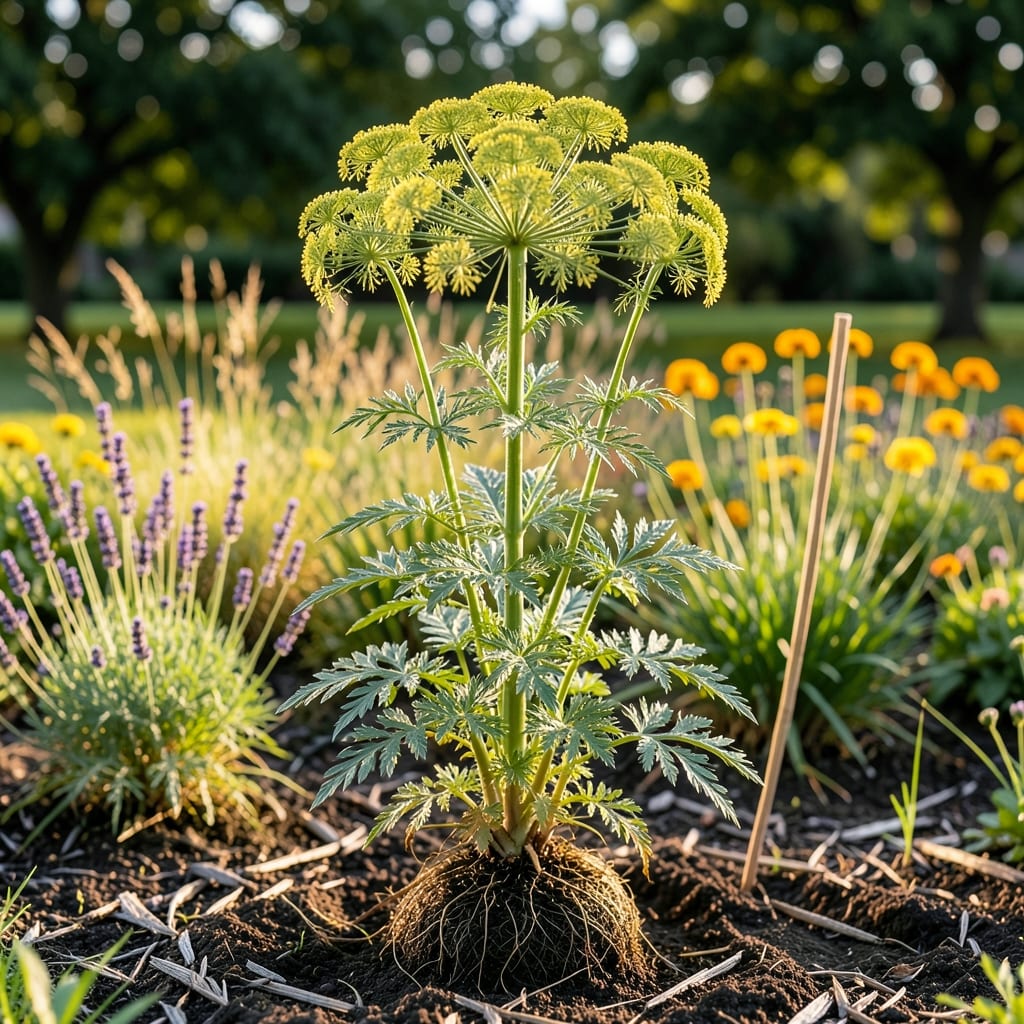
If you’ve ever wondered how tall can dill grow before it turns your garden into a feathery skyscraper, you’re not alone. This fragrant herb can stretch from a modest 2 feet to a towering 5 feet, depending on the variety and how you care for it.
Dill isn’t just one-size-fits-all—some varieties like Mammoth Long Island reach heights that rival your fence, while others stay compact and bushy. The key to controlling its growth lies in sunlight, soil, and a little strategic pruning. Let’s break down the science behind dill’s height and how to keep it at your ideal size.
Whether you’re growing dill for fresh garnishes or seed harvests, understanding its growth habits will save you space—and frustration. You’ll learn which varieties stay short, how to prune for bushier plants, and why your dill might be growing wild (or stunted) in the first place.
Ready to turn your dill from a runaway giant into a manageable, productive plant? Let’s dive into the exact heights by variety and the pruning secrets that’ll keep your harvests thriving all season long.


Dill height by variety: from compact to towering giants
If you’ve ever wondered whether your dill will stretch toward the sky like a giant herb tower or stay manageable in your garden beds, the answer depends entirely on the variety you choose. Some dill plants barely reach waist height, while others can top 5 feet—or even lean over your fence if left unchecked. Knowing these height ranges helps you plan spacing, supports, and even harvest strategies to keep your dill productive and contained.
Dill’s height isn’t just about aesthetics—it directly impacts how you harvest and maintain the plant. Tall varieties like Mammoth Long Island need staking or cages to prevent flopping, while bushier types like Bouquet stay compact and perfect for containers. Below, we break down the exact mature heights of popular dill varieties so you can pick the perfect fit for your garden space.
🌱
📏 Pro Tip: Measure your garden beds before planting. Tall varieties need 18–24 inches of space per plant, while compact types thrive in 12-inch pots.
Beyond variety, sunlight and soil play huge roles in dill’s height. Plants grown in full sun (6+ hours daily) will naturally stretch taller, while those in partial shade may stay shorter but produce fewer leaves. If your dill starts leaning or flopping, it’s not just about height—it’s a sign your plant needs support or better growing conditions.
For container gardeners, choose dwarf varieties like Bouquet or Sowilo, which max out at 3 feet. These work beautifully in 5-gallon pots with proper drainage. If you’re growing dill for seeds, taller varieties like Mammoth Long Island are ideal—they produce more seed heads, but you’ll need to stake or cage them to prevent toppling.
🌿
One common misconception is that all dill grows exponentially tall. In reality, most varieties reach 70–80% of their mature height by 6 weeks after germination. If your dill isn’t growing at all after this time, check for poor soil drainage or pests. Healthy dill should add 1–2 inches per week in ideal conditions.
For maximum flavor and yield, aim to harvest dill before it bolts (sends up flower stalks). This keeps the plant bushier and more productive. If you let it flower, the height increase is dramatic—but so is the drop in leaf quality. Pinch back flower stalks early to redirect energy into leaf growth and maintain a compact, manageable height.
✂️
Dill height by variety: from compact to towering giants
Dill’s height isn’t one-size-fits-all—some varieties grow like delicate shrubs while others shoot up like feathery skyscrapers. The Mammoth Long Island variety, for example, can reach a staggering 5 feet tall, while Bouquet dill stays a manageable 2–3 feet. Choosing the right variety for your garden space is the first step to controlling its growth.
Here’s the breakdown: Fernleaf dill typically hits 3–4 feet, making it a mid-height option perfect for containers or small gardens. Dwarf varieties like Mouse Tail dill max out at 2 feet, ideal for windowsill gardens. Meanwhile, standard dill (the most common type) often tops out at 4–5 feet if left unchecked.
Why does height matter? Taller varieties need sturdy supports or more space to avoid flopping over, while shorter types are easier to harvest and less prone to pests. Even within the same variety, factors like sunlight, soil quality, and pruning can shift a plant’s height by 1–2 feet.
| Variety | Mature Height | Best For | Sun Needs |
|---|---|---|---|
| Mammoth Long Island | 4–5 ft | Seed harvests, tall gardens | Full sun |
| Bouquet | 2–3 ft | Containers, small spaces | Full sun |
| Fernleaf | 3–4 ft | Fresh leaves, bushy growth | Full sun |
| Mouse Tail (Dwarf) | 1.5–2 ft | Windowsills, pots | Full sun |
Pro tip: If you’re growing dill in containers, opt for Bouquet or Fernleaf—their shorter stature prevents toppling. For seed production, Mammoth Long Island is worth the space, as its height correlates with higher seed yields. And if you’re short on room, Mouse Tail delivers flavor without the vertical commitment.
Remember, these heights are mature measurements. With proper pruning and support, even the tallest varieties can be managed to fit your garden’s layout. Next, we’ll dive into the pruning secrets that’ll keep your dill at your ideal height—whether that’s a compact bush or a feathery giant.
🌿