
Size
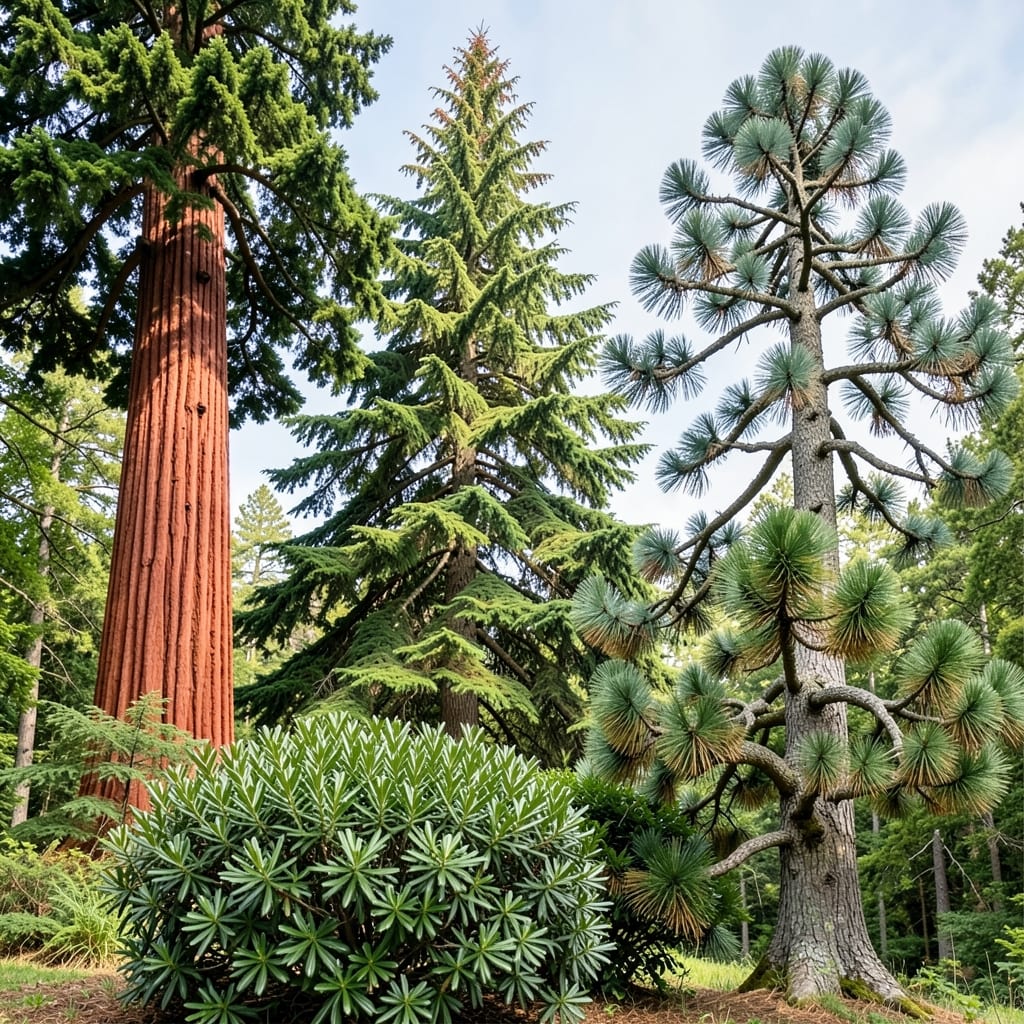
If you've ever gazed up at a towering evergreen tree and wondered just how tall these giants can grow, the answer might surprise you. Some varieties stretch toward the sky with staggering heights, reaching well over 100 feet—or even 300 feet in the wild. Whether you're planning a backyard landscape or just curious about nature's skyscrapers, understanding these limits is key to making smart choices for your space.
Evergreen trees like the coastal redwood or Douglas fir aren’t just impressive—they’re architectural marvels that can dwarf even the tallest buildings. But their growth isn’t random; it’s shaped by climate, soil quality, and species traits. In this guide, I’ll break down the fastest-growing varieties and what makes them reach such incredible heights, so you can decide which ones fit your vision.
Maybe you’re dreaming of a 100-foot tree in your yard—or maybe you just want to avoid pruning headaches down the road. Either way, knowing the growth potential helps you plan for the future. We’ll cover everything from space-saving tips to pruning techniques that keep these giants in check, ensuring your evergreen stays healthy and your landscape stays balanced.
Ready to discover which evergreens can turn your property into a vertical forest? Let’s dive into the tallest trees on the planet and how you can grow them—without losing your roof in the process.


10 Fastest-growing evergreen trees and their maximum heights
When it comes to evergreen trees, some varieties grow at breakneck speeds, shooting up 10 feet per year or more under ideal conditions. These sky-reaching giants aren’t just impressive—they’re perfect for creating instant vertical impact in large landscapes. Whether you’re designing a windbreak, a privacy screen, or simply adding drama to your property, knowing which species grow fastest helps you achieve your goals in record time.
I’ve researched the top 10 fastest-growing evergreen trees to give you a clear picture of their height potential, growth rates, and ideal growing conditions. Some of these trees can reach 100 feet or taller in just a few decades, while others offer a more manageable (but still impressive) 30-50 feet in similar timeframes. Let’s explore the tallest and fastest-growing options available for gardeners.
The Leyland Cypress and Green Giant Arborvitae top the list for fastest growth, shooting up 3-5 feet annually in ideal conditions. These trees are perfect if you need a quick privacy screen or windbreak, but they require ample space to avoid overcrowding. Meanwhile, the Douglas Fir and Ponderosa Pine may grow slower initially but eventually surpass 150 feet, making them the ultimate statement trees for large properties.
If you’re working with limited space, consider dwarf varieties of these species, which can cap out at 25-40 feet while still offering the same year-round greenery. For example, the ‘Emerald Green’ Arborvitae grows only 12-15 feet tall but
How climate and soil determine evergreen tree height limits
Evergreen trees don’t grow to their full potential by chance—they’re shaped by a mix of climate conditions and soil quality. In ideal environments, like the foggy coastal redwood forests of California, these trees can reach 300+ feet thanks to high humidity, mild temperatures, and nutrient-rich soil. But in urban settings with compacted soil and limited space, the same species might max out at 50 feet or less.
The elevation plays a huge role too. High-altitude evergreens, like those in the Rocky Mountains, grow slower due to cooler temperatures and thinner air. Meanwhile, lowland varieties in warmer climates can shoot up faster, especially if they have plenty of rainfall. For example, a Leyland cypress in Florida might grow 3-4 feet per year, while the same tree in a dry climate could struggle to reach 1 foot annually.
Soil pH is another critical factor. Most evergreens thrive in slightly acidic soil (pH 5.0–7.0), but some, like pine trees, prefer even more acidic conditions. If your soil is alkaline, the tree’s roots won’t absorb nutrients efficiently, stunting its growth. Testing your soil before planting can save you from years of slow, stunted growth.
| Factor | Ideal Condition | Effect on Height |
|---|---|---|
| Climate | Humid, mild winters | Maximizes growth (e.g., 300+ ft redwoods) |
| Elevation | Lowland (sea level) | Faster growth (e.g., 4 ft/year in Florida) |
| Soil pH | Acidic (5.0–7.0) | Optimal nutrient uptake; promotes height |
| Sunlight | Full sun (6+ hours) | Encourages vertical growth (e.g., taller canopies) |
| Water Availability | Consistent moisture | Supports rapid growth (e.g., 20+ ft in 10 years) |
Sunlight exposure is equally important. Evergreens like Norway spruce and Douglas fir need 6+ hours of direct sunlight daily to reach their full height. In shaded areas, they’ll grow slower and develop weaker branches. If you’re planting near other trees or buildings, consider fast-growing, shade-tolerant varieties like Eastern hemlock, which can still reach 40–50 feet even with limited light.
Urban landscapes often present unique challenges, like compacted soil and pollution, which can limit growth. To counteract this, amend your soil with organic matter like compost or mulch, and avoid planting near roads where exhaust fumes can stress the tree. With the right conditions, even a 100-foot evergreen is possible in your yard—but it’ll take patience, planning, and a little extra care.
Understanding these factors helps you set realistic expectations. Whether you’re aiming for a privacy screen or a statement tree, tailoring your approach to your local climate and soil will ensure your evergreen thrives—and reaches its full potential height.