
Plants
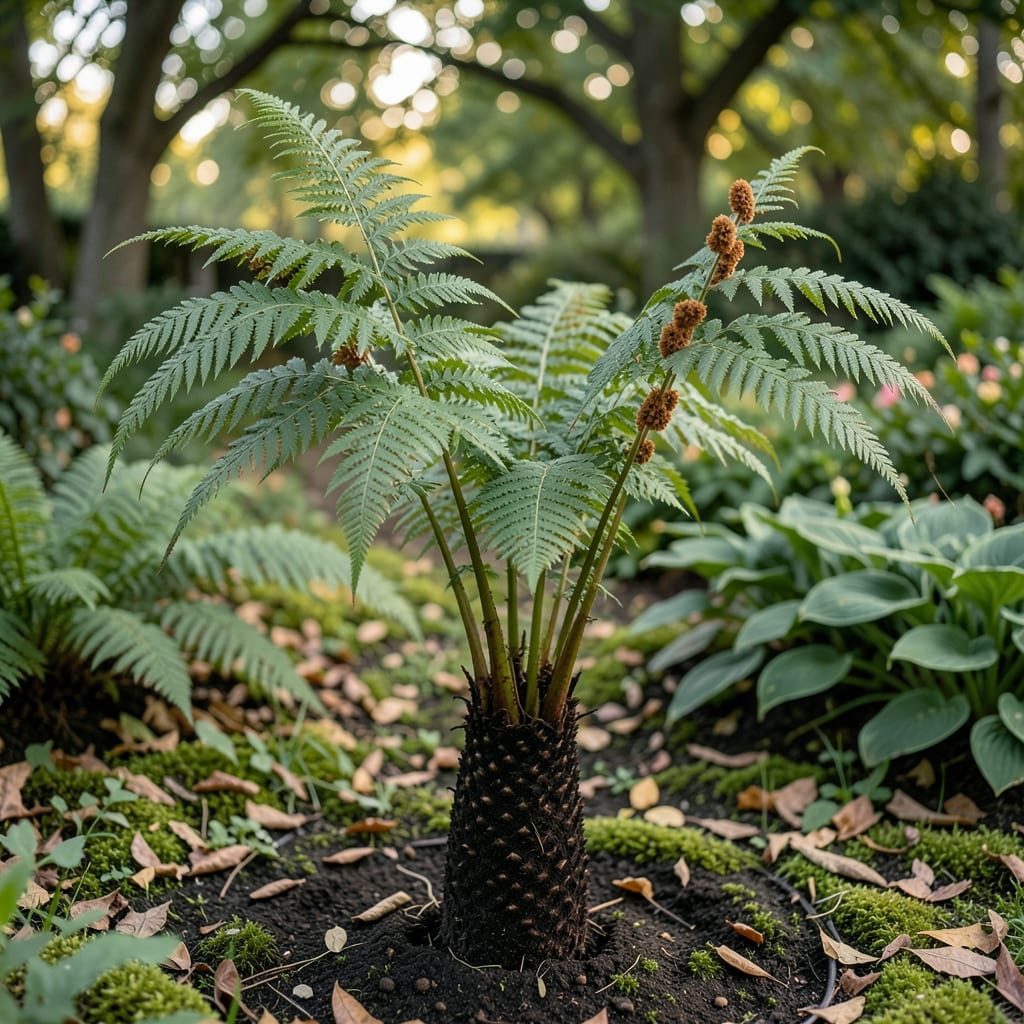
If you’ve ever wondered how tall can ferns grow, the answer might surprise you—these lush, leafy plants can stretch far beyond what you’d expect, turning your garden into a verdant tower. From delicate maidenhair varieties to towering ostrich ferns, some species reach heights of 4 to 6 feet, making them perfect for adding drama to shady corners or woodland edges.
But here’s the catch: not all ferns are created equal. While some stay compact and manageable, others—like the Cibotium or Matteuccia—can dwarf even the tallest gardeners. The key to unlocking their full potential lies in understanding their needs, from soil moisture to sunlight exposure, and avoiding common pitfalls that stunt their growth.
In this guide, I’ll break down 10 fern varieties and their sky-high limits, plus the secrets to encouraging them to reach their maximum height—without sacrificing health. Whether you’re dreaming of a jungle-like backdrop or just want to fill a corner with greenery, you’ll find out which ferns will soar and which will stay grounded.
Ready to transform your space? Let’s dive into the world of towering ferns and discover how to coax them to grow taller than ever before.


Fern height guide: 10 fast-growing varieties & their maximum heights
When it comes to how tall can ferns grow, the answer depends entirely on the variety. Some ferns stay humble, perfect for window sills or small pots, while others can reach 6 feet or more, creating dramatic vertical accents in your garden. The key is choosing the right species for your space and giving them the ideal conditions to thrive.
I’ve grown everything from tiny maidenhair ferns to towering Osmunda cinnamomea (cinnamon fern), and the difference in height is staggering. Below, I’ve rounded up 10 fern varieties that span the spectrum—from delicate tabletop plants to giants that can outgrow your average garden shed. Each one has unique care needs, so let’s dive into their heights and how to maximize their growth.
Here’s a quick peek at what you’ll find: maidenhair ferns that stay under 2 feet, Boston ferns that can reach 4 feet with the right care, and tree ferns that dwarf everything else at 6+ feet. If you’re short on space, the dwarf varieties are your best bet, but if you’re dreaming of a jungle-like backdrop, the taller ferns will deliver.
| Variety | Mature Height | Growth Rate | Best For |
|---|---|---|---|
| Maidenhair Fern (Adiantum) | 1–2 ft | Slow to moderate | Hanging baskets, shelves, terrariums |
| Boston Fern (Nephrolepis exaltata) | 2–4 ft | Moderate | Shady borders, indoor plants, woodland gardens |
| Ostrich Fern (Matteuccia struthiopteris) | 3–5 ft | Fast | Wildlife gardens, native plantings, tall borders |
| Cinnamon Fern (Osmunda cinnamomea) | 4–6 ft | Moderate | Woodland edges, pond sides, statement plants |
| Holly Fern (Cyrtomium falcatum) | 1–3 ft | Slow | Rock gardens, containers, shade gardens |
| Tree Fern (Dicksonia antarctica) | 6–10 ft | Very slow | Tropical gardens, large containers, focal points |
| Lady Fern (Athyrium filix-femina) | 2–3 ft | Moderate | Shady borders, woodland gardens, naturalized areas |
| Bracken Fern (Pteridium aquilinum) | 3–6 ft |
How to encourage maximum fern growth: light, soil, and care secretsIf you’ve planted ferns hoping to see them reach their maximum height potential, you’re not alone. Many gardeners underestimate how much these plants can grow when given the right conditions. The key to encouraging towering ferns lies in mimicking their natural woodland habitat—where they thrive under dappled shade and in rich, moist soil. First, let’s talk light exposure. While ferns love shade, they won’t reach their full height in deep darkness. Aim for bright indirect light, like what you’d find under a canopy of trees. A spot with 2-4 hours of morning sun followed by afternoon shade is ideal. Too much direct sun can scorch fronds, stunting growth, while too little light slows their upward reach. Now, let’s dive into soil—this is where most ferns fall short. They crave acidic, well-draining soil with high organic matter. A mix of peat moss, compost, and perlite works wonders. Test your soil’s pH; ferns prefer 5.0 to 6.5. If your soil is alkaline, amend it with sulfur or pine needles to lower the pH. Poor soil quality is a common reason ferns stay stubby instead of soaring. ⚠️ Avoid These Growth KillersOverwatering can suffocate roots, while drought stress causes fronds to brown and growth to stall. Compacted soil restricts root expansion, and fertilizer burns from over-feeding halt upward growth. Always water at the soil level, not the fronds, and use a balanced 10-10-10 fertilizer sparingly. Watering is another critical factor. Ferns need consistently moist soil, but they’ll rot if left soggy. Aim for 1 inch of water per week, adjusting for rain. In containers, water every 2-3 days in summer, while in-ground ferns may only need watering every 5-7 days. Mulch with shredded bark or leaves to retain moisture and regulate soil temperature. Pruning plays a surprising role in height. Remove dead or yellow fronds regularly to redirect energy to new growth. In early spring, trim back old fronds by 1/3 to encourage fresh, vigorous shoots. Avoid cutting into the crown, as this can damage the plant’s center. Think of it like giving your fern a haircut for better growth—less clutter means more upward momentum. Finally, don’t forget about seasonal care. Ferns grow most actively in spring and summer, so this is when they’ll shoot up fastest. Feed them lightly with a balanced fertilizer every 4-6 weeks during this period. In fall, reduce feeding as growth slows, and in winter, let them rest—no fertilizing or heavy pruning is needed. With these adjustments, you’ll see ferns reaching heights you never thought possible. |