
Trees
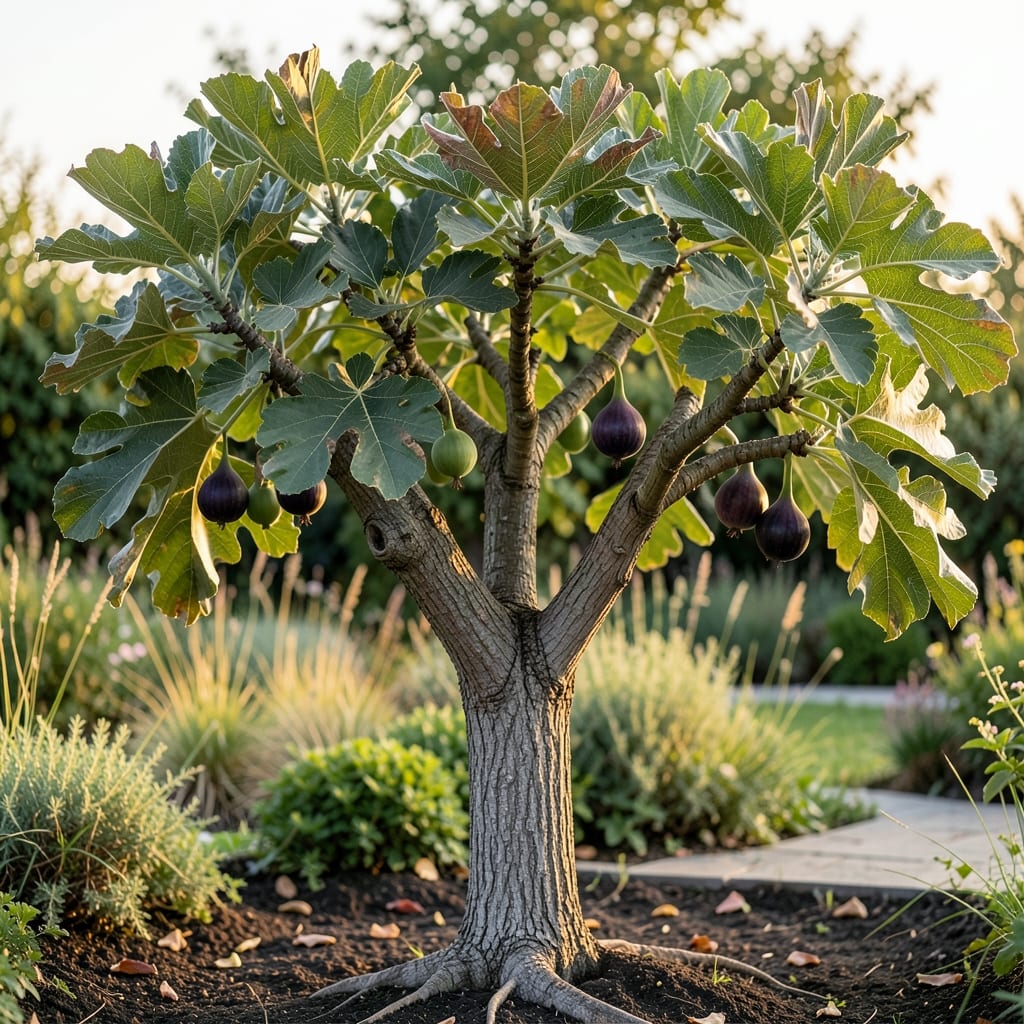
If you’ve ever wondered how tall can fig trees grow in your backyard, the answer depends on more than just luck—it’s all about the variety you choose and how you care for it. Some fig trees stretch toward the sky, while others stay cozy in containers, making them perfect for urban gardens.
The height of a fig tree can vary dramatically, from just 8 feet in dwarf varieties to towering 30 feet in standard types. Whether you’re planning a small garden or a sprawling landscape, knowing these differences is key to avoiding surprises down the road.
In this guide, I’ll break down the exact heights you can expect from popular fig tree varieties, how climate and pruning play a role, and practical tips to keep your tree at your ideal size. No more guessing—just clear, actionable advice to help your fig tree thrive.
Ready to discover which fig trees fit your space? Let’s dive into the details so you can grow with confidence, whether your vision is a compact bush or a grand backyard centerpiece.

Fig tree height by variety: from dwarf to giant-sized trees
Fig trees aren’t one-size-fits-all—their height can range from a compact 8-foot bush to a soaring 40-foot giant, depending on the variety. If you’re dreaming of a backyard centerpiece or a container-friendly patio plant, choosing the right type is everything. Below, I’ve rounded up the most popular fig varieties, their mature heights, and the growth habits that make them unique.
For example, the Chicago Hardy fig stays a manageable 10–15 feet tall, making it ideal for small urban gardens in colder climates. On the other end, the Celeste fig can reach 25–30 feet in warm climates, turning into a shade-providing giant over time. Let’s explore the full spectrum so you can pick the perfect fit for your space.
🌱
The Little Miss Figgy and Panache varieties are my top picks for small spaces or container gardening, topping out at just 8–12 feet. These are perfect if you’re working with limited room but still want a bountiful harvest. Meanwhile, the Celeste and Alma varieties are the giants of the fig world, reaching
How climate and soil affect fig tree height growth
Your fig tree’s height isn’t just about the variety you plant—it’s also heavily influenced by your local climate and the soil conditions you provide. Fig trees thrive in warm climates but can struggle in cooler zones, which directly impacts their growth rate and mature size. For example, in USDA Zone 10, a standard fig tree might easily reach 25–30 feet, while the same tree in Zone 8 could max out at 15 feet without proper care.
Sunlight is another critical factor. Fig trees need at least 6–8 hours of full sun daily to reach their full height potential. In shadier conditions, growth slows dramatically, often resulting in a bushier, shorter tree that produces fewer figs. If you’re in a region with partial shade, expect your tree to stay 10–15 feet tall at most, even with ideal soil.
Soil drainage plays a pivotal role too. Fig trees hate soggy roots—poor drainage can stunt growth or even kill the tree. In well-draining soil with a slightly alkaline pH (6.5–7.5), your fig tree will grow taller and healthier. Amend heavy clay soil with compost or sand to improve drainage, or plant in raised beds for better control over moisture levels.
Cold hardiness also limits height. Fig trees are semi-tender perennials, meaning they can’t survive freezing temperatures. In colder zones (Zone 7 or below), grow fig trees in containers and move them indoors during winter. Container-grown fig trees rarely exceed 8–12 feet, making them ideal for patios or small gardens where space is limited.
If you’re in a warmer zone but want to keep your fig tree compact, pruning is your best tool. Regular pruning in late winter or early spring encourages bushier growth and prevents the tree from becoming top-heavy. For example, the ‘Chicago Hardy’ variety can grow 15–20 feet if left unpruned, but with consistent pruning, it stays around 10 feet—perfect for urban backyards.
Don’t overlook the role of water and nutrients. Overwatering or underwatering can stress the tree, slowing its growth. Aim for deep, infrequent watering (every 3–5 days in summer) and fertilize with a balanced 5-10-10 NPK mix every 4–6 weeks during the growing season. Proper care ensures your fig tree grows tall and strong, not stunted or leggy.
Whether you’re dealing with a small urban garden or a sprawling rural plot, understanding these factors lets you predict—and control—your fig tree’s height. With the right conditions, even dwarf varieties can surprise you with unexpected growth, while standard types can be tamed into manageable sizes with a little effort.