
How To
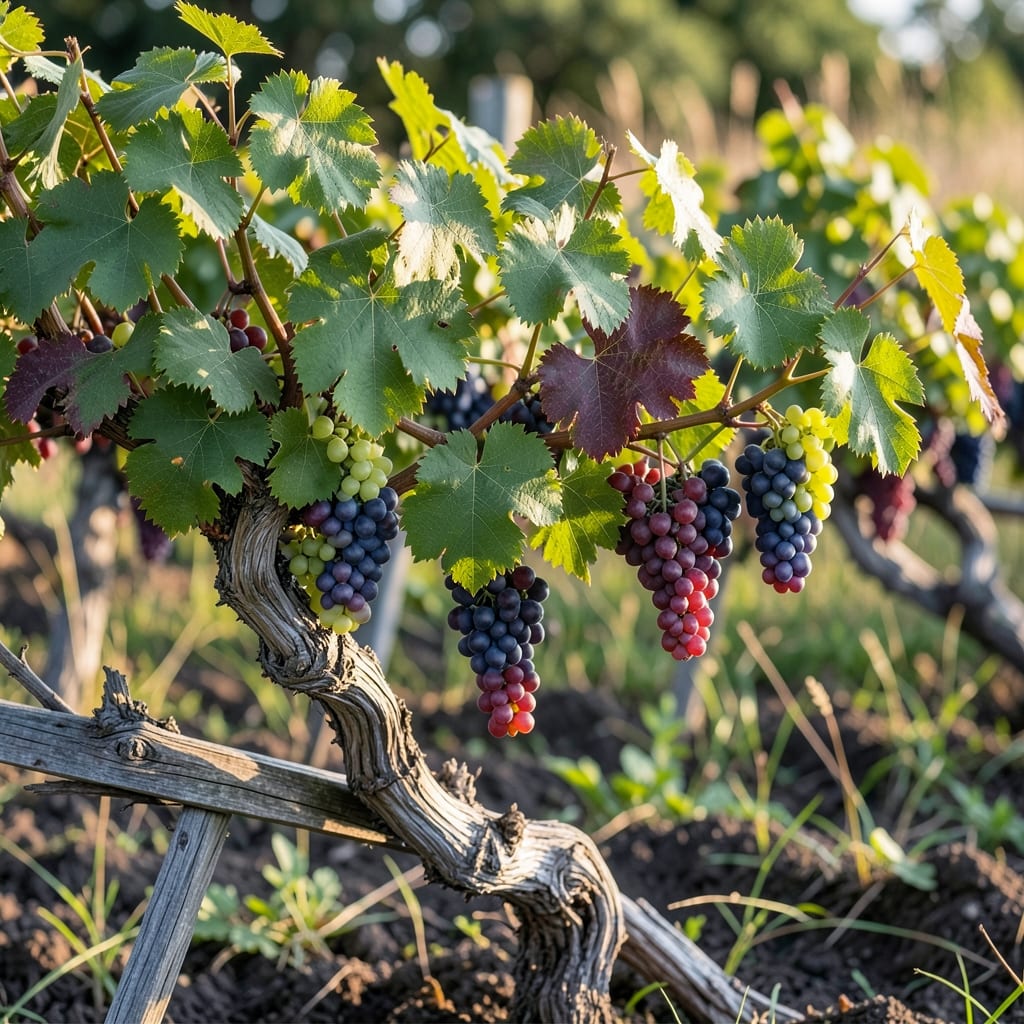
Wondering "how tall can grape vines grow"? You might be surprised to learn these 🍇 powerhouses can stretch from compact backyard-friendly sizes to towering giants that dwarf your two-story house—some even reaching 100 feet in ideal conditions!
Most grape vines fall between 10 and 30 feet, but their growth habits vary wildly depending on the variety. Compact types like 'Concord' stay manageable at 6-12 feet, while vigorous vinifera varieties can climb 50 feet or more with proper support. The key to controlling their height lies in pruning, training methods, and the right trellis system.
If you're working with limited space, don't worry—there are dwarf varieties perfect for containers or small gardens. But for those with room to spare, the real excitement comes from watching these vines spread their arms wide, producing bountiful harvests of sweet grapes from August to October.
In this guide, I'll break down everything you need to know about grape vine heights—from choosing the right variety for your space to mastering the techniques that keep them in check. Let's get growing!


Grape vine height by variety: dwarf to massive climbing giants
Grape vines are one of the most versatile plants in gardening, with heights ranging from compact patio varieties under 6 feet to wild vines that can climb over 100 feet. The difference often comes down to the variety and how you train the vine. For example, muscadine grapes tend to stay shorter, while vinifera varieties can grow aggressively if left unchecked. Understanding these differences helps you choose the perfect vine for your space—whether it's a balcony container or a sprawling backyard trellis.
Most home gardeners grow standard grape varieties that reach 15 to 30 feet at maturity, but some dwarf varieties are bred specifically for small spaces. Even wild grapevines, like those found in forests, can grow 50 feet or more when given the right conditions. The key to managing height lies in pruning techniques and support structures, which we’ll explore later. For now, let’s dive into the height ranges you can expect from different grapevine types.
If you’re growing grapes in a small urban garden, focus on dwarf or semi-dwarf varieties like Thomcord or Black Monukka, which stay under 10 feet. These are perfect for container gardening or training along a fence or trellis. On the other hand, if you have ample space and want a dramatic focal point, vinifera grapes like Cabernet Sauvignon or Chardonnay can reach 25+ feet and produce high-quality fruit.
One of the most misunderstood factors in grapevine height is the training method. Vines grown on a vertical trellis will climb higher but produce longer canes, while those trained along a horizontal arbor may stay shorter but spread wider. For example, muscadine grapes, native to the southeastern U.S., naturally grow in a sprawling bush shape and rarely exceed 12 feet without aggressive pruning. Meanwhile, European vinifera grapes are bred to climb and can easily surpass 30 feet if not pruned regularly.
Climate also plays a huge role in grapevine height. In warmer climates like USDA Zone 8 or higher, grapevines grow more aggressively and can reach their maximum height faster. In cooler climates, like Zone 5 or 6, growth slows down, and vines may stay shorter unless given extra care and support. For instance, a Concord grape vine in Zone 9 might hit 20 feet by its third year, while the same vine in Zone 6 could take 5 years to reach half that height.
For home gardeners with limited space, the best approach is to choose a dwarf variety and use pruning to control height. Even standard varieties can be kept under 10 feet with annual winter pruning. I’ve seen Thomcord grapes in 5-gallon containers stay under 6 feet with regular trimming, while the same variety in the ground can reach 12 feet. The key is to prune back by 1/3 each year and train the vine along a support structure.
If you’re new to grape growing, start with a semi-dwarf variety
How to control grape vine growth for small spaces and containers
Managing grape vine height is all about pruning and training—especially when space is limited. Even vigorous varieties can be tamed with the right techniques. Start by choosing a support structure like a trellis, arbor, or sturdy fence. This not only controls height but also improves air circulation, reducing disease risks. For container growing, dwarf varieties thrive in 15-20 gallon pots with proper drainage.
Prune in late winter or early spring before new growth begins. Remove suckers (shoots growing from the base) and water sprouts (vertical shoots) to redirect energy to fruit production. For compact growth, limit canes to 3-4 main arms, each with 8-12 buds. This keeps vines under 6 feet while still yielding sweet grapes.
For vertical training, guide vines along a trellis using soft ties. This method works for semi-dwarf varieties like 'Concord' or 'Catawba,' keeping them between 6-12 feet. If growing in containers, prune aggressively after harvest to maintain size. Remember, root-bound vines grow slower, so repot every 2-3 years if using containers.
In small spaces, consider fan training—spreading canes horizontally along a trellis. This creates a bush-like shape while maximizing sunlight exposure. Varieties like 'Frontenac' or 'Valiant' adapt well to this method, staying under 8 feet tall. Always prune dead or diseased wood first to keep vines healthy and manageable.
Monitor vine growth throughout the season. If a vine outgrows its space, prune back by 25-30% during summer to control height without sacrificing yield. For container vines, water deeply but infrequently to encourage deeper root systems, which naturally slows vertical growth. Mulch around the base to retain moisture and regulate soil temperature.
With patience and consistent care, even vigorous grape vines can thrive in small gardens or containers. The key is balancing pruning, training, and support structures to match your space. Start small with dwarf varieties, then experiment with training techniques as you gain confidence.