
Size
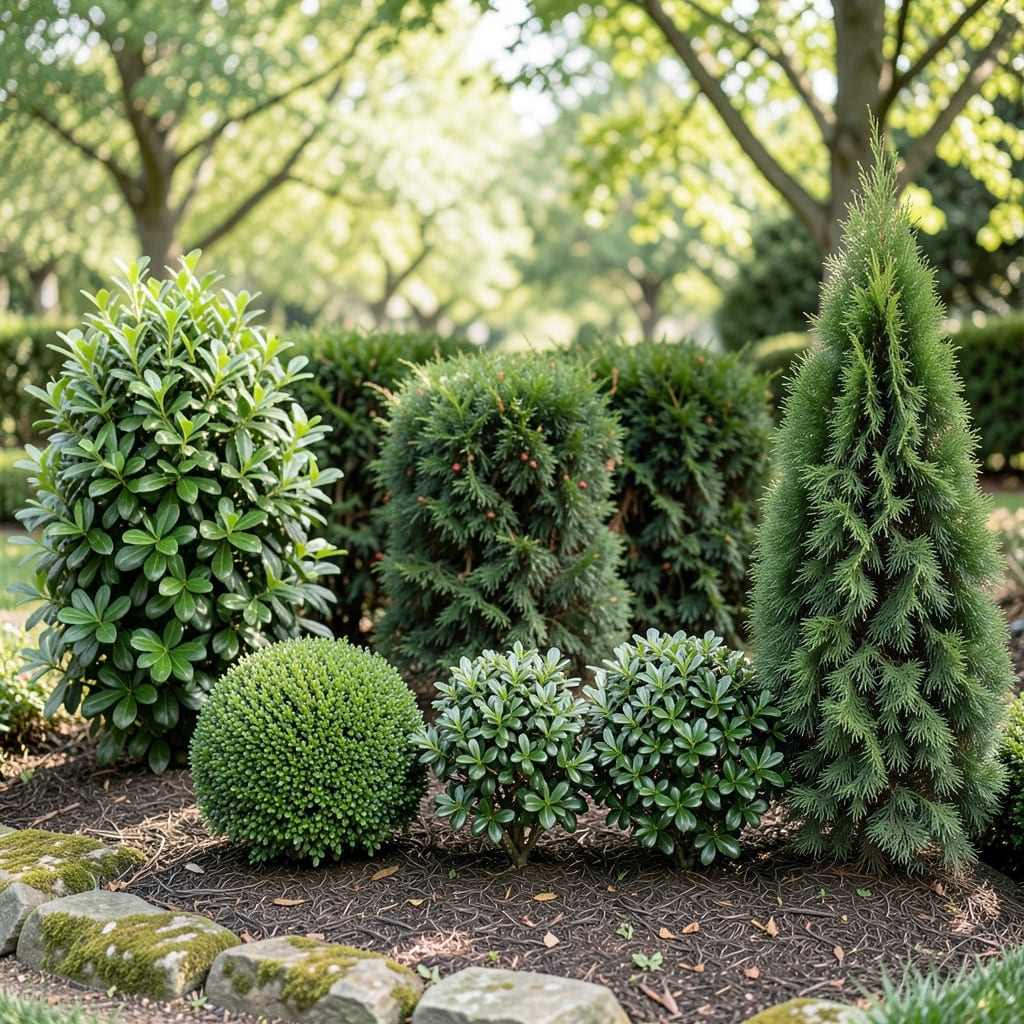
If you've ever wondered "how tall can hedges grow", the answer might surprise you—some varieties stay as short as a coffee table, while others stretch taller than a two-story house! The right choice depends on your space, vision, and how much maintenance you're willing to tackle.
Picture this: a waist-high hedge framing your patio or a towering privacy screen blocking nosy neighbors. The possibilities are endless, but not all hedges are created equal. Some grow slowly, perfect for low-maintenance gardens, while others shoot up like weeds if left unchecked.
In this guide, I’ll break down the height ranges of popular hedges—from dwarf boxwoods to sky-high Leyland cypresses—so you can pick the perfect fit for your yard. Whether you want a cozy border or a lush green wall, we’ll cover everything you need to know to make it happen.
Ready to transform your outdoor space? Let’s dive into the world of hedges and find your perfect match—no matter how tall (or short) you dream! 🌿


Hedge height ranges: from dwarf varieties to towering giants
When planning your landscape, understanding how tall can hedges grow is key to making the right choice. Hedges aren’t one-size-fits-all—they range from dwarf varieties that stay under 3 feet to towering giants that reach 25 feet or more. The difference often comes down to the species and how you maintain them.
For example, a boxwood hedge might stay neatly trimmed at 2-3 feet, perfect for edging a flower bed, while a Leyland cypress can soar to 20 feet, ideal for blocking out a neighbor’s view. Even within the same species, growth habits can vary based on pruning, sunlight, and soil conditions.
Let’s break down the three main height categories—dwarf, medium, and tall—so you can visualize which hedge will fit your space and style. Whether you’re aiming for a cozy border or a dramatic privacy screen, knowing these ranges will help you avoid costly mistakes.
| Category | Mature Height | Growth Rate | Ideal Spacing | Best For |
|---|---|---|---|---|
| Dwarf | 1-3 ft | Slow (6-12 in/year) | 12-18 in apart | Borders, edging, containers |
| Boxwood | 2-3 ft | Moderate | 18-24 in apart | Formal gardens, topiaries |
| Dwarf Yew | 1-2 ft | Slow | 12-15 in apart | Low hedges, ground cover |
| Medium | 3-6 ft | Moderate (12-24 in/year) | 2-3 ft apart | Privacy screens, windbreaks |
| Holly | 4-6 ft | Moderate | 3-4 ft apart | Year-round color, wildlife |
| Privet | 3-5 ft | Fast | 2-3 ft apart | Quick privacy, hedgerows |
| Tall | 6-25 ft | Fast (2-3 ft/year) | 3-6 ft apart | Privacy walls, windbreaks |
| Leyland Cypress | 20-25 ft | Very Fast | 4-6 ft apart | Tall privacy screens |
| Arborvitae | 10-15 ft |
Hedge height ranges: from dwarf varieties to towering giantsChoosing the right hedge height starts with understanding the dramatic range of options available. Some hedges stay neatly contained at waist height, while others can grow taller than a two-story house with proper care. The key is matching your vision to the species' natural growth habits and your landscape needs. Dwarf hedges like boxwood and dwarf yew typically max out at 3 feet tall, making them perfect for borders or edging. These compact varieties grow slowly, requiring minimal pruning to maintain their tidy appearance. On the opposite end, Leyland cypress and arborvitae can reach 20-30 feet when left unchecked, creating impressive privacy screens. Here’s how to match hedge types to your space and goals: Medium-height hedges like privet and holly offer a balance, typically reaching 6 feet at maturity. These are ideal for creating natural barriers or adding structure to garden beds without overwhelming smaller spaces. Their moderate growth rate means you’ll see noticeable height gains each year without the aggressive spread of fast-growing varieties. For those with larger properties, tall hedges like Leyland cypress or giant sequoia can create dramatic focal points. These varieties thrive in open spaces and require regular pruning to maintain manageable heights. If you’re aiming for a 20-foot privacy screen, consider planting multiple specimens spaced 3-5 feet apart to ensure a dense, unbroken barrier. Remember, hedge height isn’t set in stone—pruning practices play a huge role in controlling growth. With the right approach, even a naturally tall species can be kept compact, while dwarf varieties can be encouraged to grow slightly taller with proper care. The key is understanding your plant’s potential and working with it to achieve your vision. 🌳 |