
Flowers
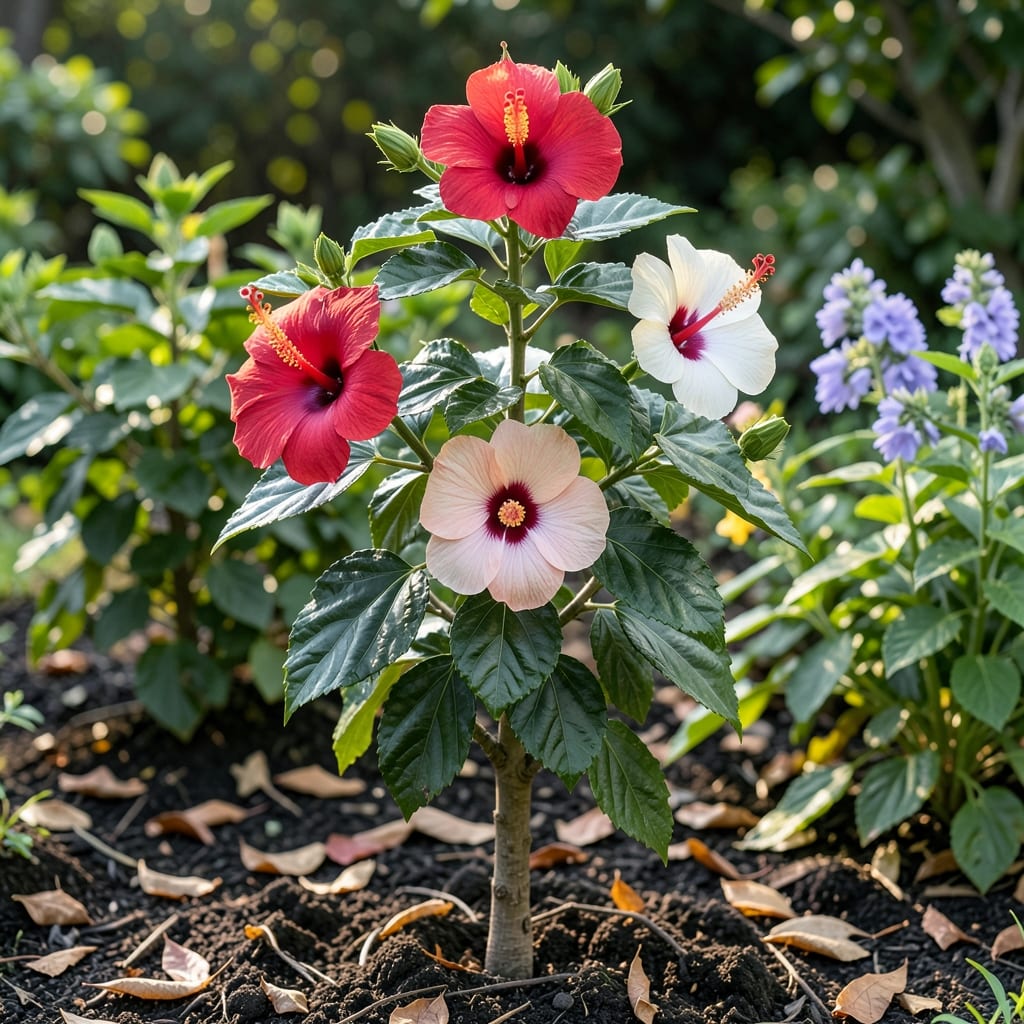
Wondering how tall can hibiscus grow in your garden—or whether that stunning 🌸 hibiscus you’ve eyed will become a towering giant? The answer might surprise you. Some varieties stay compact enough for patio pots, while others reach heights that rival small trees, making hibiscus one of the most adaptable plants for any space.
If you’re in USDA Zone 6a or warmer, you’ll find hibiscus thrives as both a perennial and an annual, depending on your climate. The key to managing its height lies in understanding the variety you choose—whether it’s a dwarf type like 'Pinksplashes' (just 2–3 feet) or a tropical giant like 'Hawaiian Sunset' (soaring to 10–15 feet). With the right care, you can keep it at your ideal height.
Sunlight, soil, and pruning play huge roles in controlling growth. Too much shade or overwatering can send your hibiscus shooting upward faster than expected, while strategic trimming keeps it lush and manageable. Whether you’re planting in spring or container gardening, these tips will help you harness its beauty without losing control.
Ready to discover how to grow hibiscus that fits your space perfectly? Let’s break down the varieties, care secrets, and pruning techniques that make all the difference—so you can enjoy those vibrant blooms without the worry of a runaway shrub.

Hibiscus growth heights by variety: from dwarf to tree-sized plants
Hibiscus plants are famous for their bold blooms, but their size can vary dramatically depending on the variety. If you're planning your garden layout, knowing which types stay compact and which grow like small trees will help you choose the perfect hibiscus for your space. Some varieties top out at just a few feet, while others can reach heights of 15 feet or more, making them a stunning focal point in large gardens.
The height of your hibiscus depends on whether you're growing a tropical hibiscus (like Hibiscus rosa-sinensis) or a hardy hibiscus (such as Hibiscus moscheutos). Tropical hibiscus varieties often grow taller and faster, while hardy hibiscus types tend to be more compact and cold-hardy. Even within these categories, individual varieties can differ by several feet in mature height.
Here’s a quick look at what to expect from some of the most popular hibiscus varieties, so you can pick the perfect fit for your garden or container:
| Variety | Type | Mature Height | Best For |
|---|---|---|---|
| Dwarf Red | Tropical | 2–4 ft | Containers, small gardens |
| Pinksplashes | Tropical | 3–5 ft | Patio pots, borders |
| Lady Baltimore | Hardy | 12–15 ft | Large gardens, privacy screens |
| Hawaiian Sunset | Tropical | 10–15 ft | Tropical landscapes, large yards |
| Lavender Chiffon | Hardy | 4–6 ft | Foundation plantings, mixed borders |
| Maui Mauve | Tropical | 6–10 ft | Tropical-themed gardens, poolsides |
If you're growing hibiscus in USDA Zones 5–9, hardy varieties like Hibiscus moscheutos (such as 'Lady Baltimore') are excellent choices for their cold tolerance and dramatic height. These can become small trees, perfect for adding tropical flair to larger spaces. Meanwhile, tropical hibiscus varieties thrive in Zones 10–11 and often grow even taller, making them ideal for warm climates.
For smaller spaces, dwarf hibiscus varieties like 'Dwarf Red' or 'Pinksplashes' are game-changers. These stay under 5 feet tall, making them perfect for containers, balconies, or small gardens. Even in containers, they can bloom profusely, giving you the look of a tropical paradise without the space commitment.
When choosing a hibiscus for your garden, consider not just its mature height but also its growth rate. Some varieties, like 'Hawaiian Sunset,' can grow 2–3 feet per year, while others, like 'Lavender Chiffon,' grow more slowly but still reach impressive heights. Plan ahead to give your hibiscus room to spread its roots and branches, especially if you're planting a taller variety.
One common misconception is that all hibiscus plants grow into large shrubs or trees. In reality, with the right variety and care, you can enjoy hibiscus blooms in almost any space—from a tiny balcony to a sprawling backyard. Whether you're drawn to the bold colors of tropical hibiscus or the hardy resilience of cold-tolerant types, there's a hibiscus height that's just right for you.
Next, we'll explore how to manage hibiscus height naturally, so you can keep your plants at your desired size—whether that means trimming back a towering tropical beauty or encouraging a dwarf variety to fill out its container.
Hibiscus growth heights by variety: from dwarf to tree-sized plants
Hibiscus plants offer an incredible range of heights, from compact container-friendly varieties to towering tropical specimens that rival small trees. The height you’ll see depends entirely on the specific variety and growing conditions. For example, tropical hibiscus like 'Hawaiian Sunset' can reach 10–15 feet tall in ideal climates, while hardy hibiscus varieties often max out at 6–8 feet.
If you’re working with limited space, dwarf hibiscus varieties are your best bet. These stay between 2–4 feet tall and thrive in containers or small garden beds. My personal favorite, 'Pinksplashes', stays under 3 feet while bursting with vibrant blooms all season long. This makes it perfect for patios, balconies, or even as a border plant.
| Variety Type | Mature Height | Best For | Growth Rate |
|---|---|---|---|
| Tropical Hibiscus (e.g., 'Lady Baltimore') | 12–15 ft | Large gardens, tropical climates | Fast (1–2 ft/year) |
| Hardy Hibiscus (e.g., 'Arctic Sun') | 6–8 ft | Cold-hardy zones (5–9) | Moderate (1 ft/year) |
| Dwarf Hibiscus (e.g., 'Dwarf Red') | 2–4 ft | Containers, small spaces | Slow (6–12 in/year) |
| Semi-Dwarf (e.g., 'Lima Yellow') | 4–6 ft | Medium beds, borders | Moderate (1 ft/year) |
The growth rate of hibiscus also varies by type. Tropical varieties grow 1–2 feet per year in ideal conditions, while dwarf types might only add 6–12 inches annually. This means a 3-foot dwarf hibiscus could take 3–5 years to reach maturity, whereas a 15-foot tropical specimen might hit its full height in just 5–7 years.
When choosing a hibiscus for your space, consider your USDA hardiness zone. Tropical hibiscus thrive in zones 9–11 and may need winter protection in cooler areas. Hardy hibiscus, like 'Coppertone', can handle zones 5–9 and often stay smaller, making them ideal for northern gardens. Always check the specific variety’s zone range before planting.
For container gardening, prioritize dwarf or semi-dwarf varieties. A 5-gallon pot works well for 2–4 foot plants, while larger containers (15+ gallons) can accommodate 6-foot specimens. Just ensure your container has drainage holes and use a well-draining potting mix to prevent root rot.
If you love the idea of a tall hibiscus specimen but lack the space, consider training it as a single-trunk tree. Prune side branches early to encourage a central leader, which creates a striking focal point in your landscape. With the right variety and care, you can enjoy hibiscus blooms at any height—from balcony pots to backyard giants.