
How To
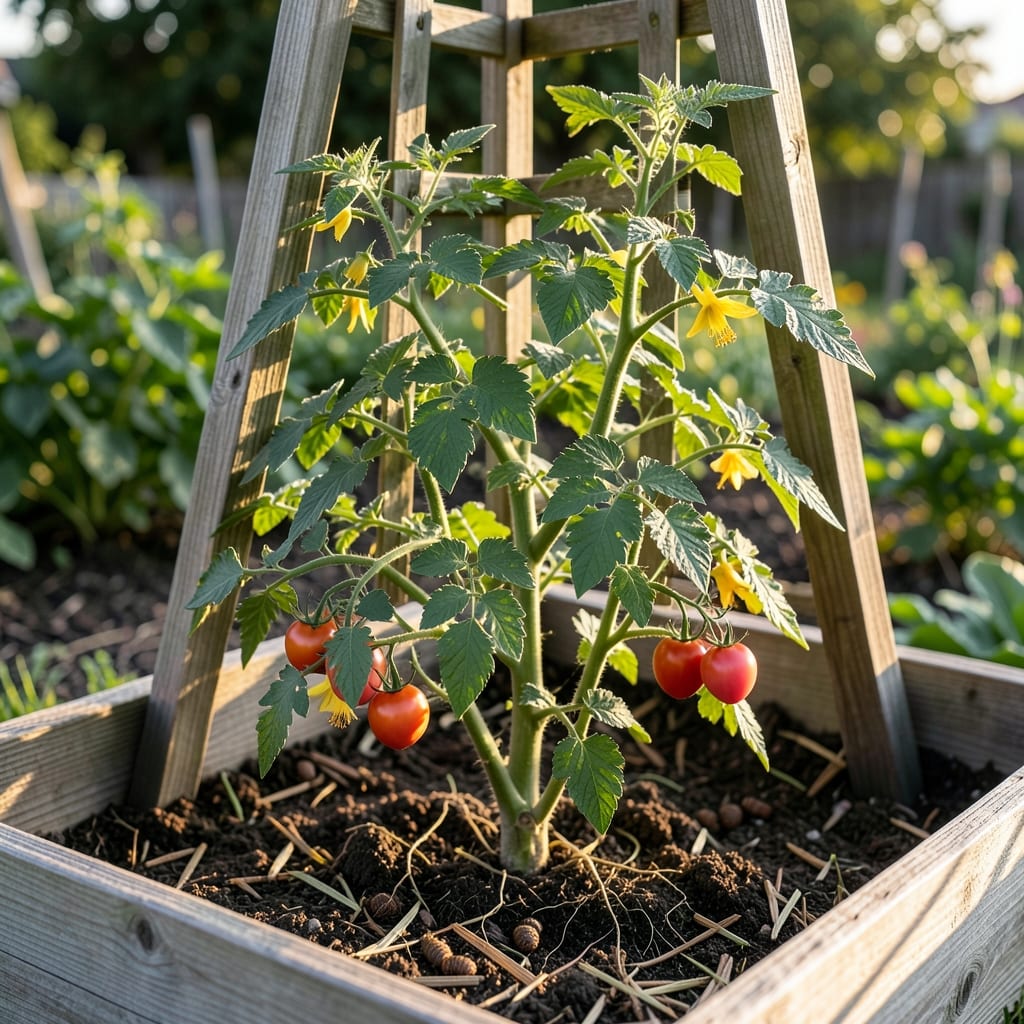
If you’ve ever spotted a 🍅 vine stretching toward your rooftop or neighbor’s fence, you’ve met an indeterminate tomato in its natural glory—and you’re likely wondering, how tall can these tomatoes grow? These powerhouse plants can reach 10–20 feet or more with the right care—but without proper support and pruning, their sky-high ambitions turn into a tangled mess.
The key to unlocking their full potential lies in understanding their growth habits and when to intervene. Unlike their bushy cousins, indeterminate tomatoes keep growing until frost, producing fruit along the way. But that doesn’t mean you should let them run wild—strategic pruning and sturdy trellises are the secrets to managing their height while maximizing your harvest.
In this guide, I’ll break down exactly how tall these giants can grow, what factors influence their height, and the simple techniques to keep them under control. Whether you’re a first-time gardener or a seasoned green thumb, you’ll learn how to turn those towering vines into a bounty of ripe, ready-to-pick tomatoes.
Ready to transform your garden into a vertical tomato paradise? Let’s dive into the science—and the pruning—behind these sky-scraping plants.


Indeterminate tomato growth limits: how tall they Really Can Grow (With Science-Backed Numbers)
Indeterminate tomatoes are the Hulk of the garden world—they just keep growing until stopped. While most varieties hit 6 to 12 feet, top performers like 'Sungold' or 'Cherokee Purple' can stretch 15 to 20+ feet with ideal conditions. The key? Their unlimited growth habit means no natural stopping point—just skyward ambition until frost or disease intervenes.
Think of these vines like jungle gyms for fruit. Each new leaf cluster can produce flowers, and if you don’t prune or support them, they’ll sprawl like unruly ivy, snapping under their own weight. The world record for tallest tomato vine? A whopping 27 feet—but that required professional trellising and daily care. For home gardens, 10 to 15 feet is a realistic (and manageable) ceiling.
Here’s the science: Indeterminate tomatoes grow from an apical meristem (the tip of the main stem), which keeps pushing upward as long as conditions are right. Without pruning, they’ll send out suckers (side shoots) that compete for energy, slowing vertical growth. But with proper topping and support, you can channel that energy into bigger fruit and taller vines.
Climate plays a huge role. In hot, humid zones (like Florida or Texas), vines may grow faster but risk blossom drop or disease if unsupported. Cooler climates (like Pacific Northwest) slow growth but can yield longer harvest seasons if frost is delayed. The sweet spot? 70–85°F days with 6+ hours of sun—any less, and growth stalls.
Soil nutrients also dictate height. Nitrogen-heavy fertilizers boost leafy growth but delay fruiting, while phosphorus-potassium blends (like 10-10-10) encourage upward expansion. Over-fertilizing with nitrogen can send your tomato plant into a leafy frenzy, leaving it weak and prone to snapping. The goal? Balance growth and fruit production.
Now, let’s talk support systems. Without them, a 10-foot vine becomes a ground-hugging mess. Trellises, cages, or stakes aren’t just for looks—they direct growth upward, improve air circulation (reducing disease), and make harvesting easier. Skipping support? You’ll spend more time propping up flopping vines than enjoying your harvest.
Here’s how to spot overgrowth before it’s too late:
- Leaves yellowing at the base (sign of root stress from too much weight).
- Fruit cracking or blossom end rot (water/nutrient imbalance from rapid growth).
- Vines sagging despite support (time to prune or reinforce).
- New growth slowing in late summer (plant may be exhausting its energy).
Pro tip: If your indeterminate tomato hits 8 feet and shows no signs of slowing, it’s time to top the main stem (cut just above a leaf cluster). This triggers lateral branching, which can double your harvest while keeping the plant manageable. Just don’t wait too long—late-season topping can delay fruiting before frost.
| Factor | Impact on Height | Actionable Tip |
|---|---|---|
| Variety | 6–20+ ft (e.g., 'Sungold' vs 'Tiny Tim') | Choose indeterminate types for max height; dwarf varieties stay <3 ft. |
| Climate | Slower in cool zones; faster in heat | Use row covers early/late season to extend growth. |
| Support | Unsupported = 3–5 ft; trellised = 10–15+ ft | Install trellises early (before 3 ft tall) to avoid root disturbance. |
| Pruning | No pruning = sprawling; aggressive pruning = 6–12 ft | Remove suckers weekly to focus energy upward. |
| Fertilizer | High nitrogen = leafy growth; balanced NPK = taller vines | Switch to 5-10-10 when flowering starts. |
Remember: height ≠ harvest. A 20-foot vine with no fruit is useless. The secret? Prune for structure, support for stability, and fertilize for balance. With these tools, you’ll turn your indeterminate tomato’s skyward dreams into a bountiful, manageable harvest—without the vine collapsing under its own weight.
Next up: Learn how to prune indeterminate tomatoes like a pro
Pruning secrets for controlling indeterminate tomato height without sacrificing yield
Indeterminate tomatoes grow like jungle vines—if left unchecked, they’ll climb anything in sight, including your trellis, fence, or even your neighbor’s mailbox. But pruning isn’t about stunting growth—it’s about directing energy to fruit production and keeping vines manageable. The key is timing and technique, which I’ve perfected after years of trial (and a few tomato-related disasters).
Start pruning when your plants hit 18–24 inches tall, removing suckers (those little shoots in the leaf axils) to focus energy on existing stems. These suckers drain resources, so pinch them off early to encourage stronger main stems and more flowers. Think of it like training a puppy—redirect their energy where you want it!
Here’s the step-by-step pruning routine I swear by to keep vines under control while maximizing harvests:
Suckers are the small shoots growing between the main stem and branches. They’re easy to spot—just look for leaf axils (where leaves meet the stem) and check for tiny sprouts.
Use your fingers or pruners to remove suckers when they’re 1–2 inches long. Pinching is gentler on the plant, but pruners work faster for larger suckers. Never leave stubs—clean cuts prevent disease.
Once your plant reaches your desired height (usually 5–6 feet for most gardens), top the main stem by cutting just above a leaf cluster. This signals the plant to stop vertical growth and focus on fruit.
Remove yellow or diseased leaves and trim foliage that blocks airflow near the fruit clusters. This reduces humidity and disease risk while letting sunlight reach developing tomatoes.
Check your plants weekly for new suckers. Consistency is key—one missed sucker can turn into a monster branch that steals energy from your harvest. Pro tip: Prune in the morning so wounds heal faster in daylight.
I used to think pruning was optional, but after my 12-foot vine collapsed under the weight of 50 pounds of tomatoes (yes, I weighed them), I learned the hard way. Now, I prune aggressively to keep vines at 6–8 feet, which is tall enough for a great harvest but manageable for my 6-foot trellis. The result? More fruit, less stress, and no more tomato avalanches.
One common mistake I see is over-pruning too early in the season. If you strip too many leaves, your plant can’t photosynthesize enough to support fruit. Aim to leave 3–4 leaves below each fruit cluster to keep the plant fed while you prune. And always use sterilized pruners to avoid spreading disease—rubbing alcohol works great for quick cleanups between cuts.
Remember, indeterminate tomatoes are like overachievers—they’ll grow as tall as you let them. But with the right pruning, you’ll turn that wild vine into a fruit-producing powerhouse that doesn’t need a ladder to harvest. Now go forth and prune like a pro—your future tomato sandwiches will thank you! 🌱