
Plants
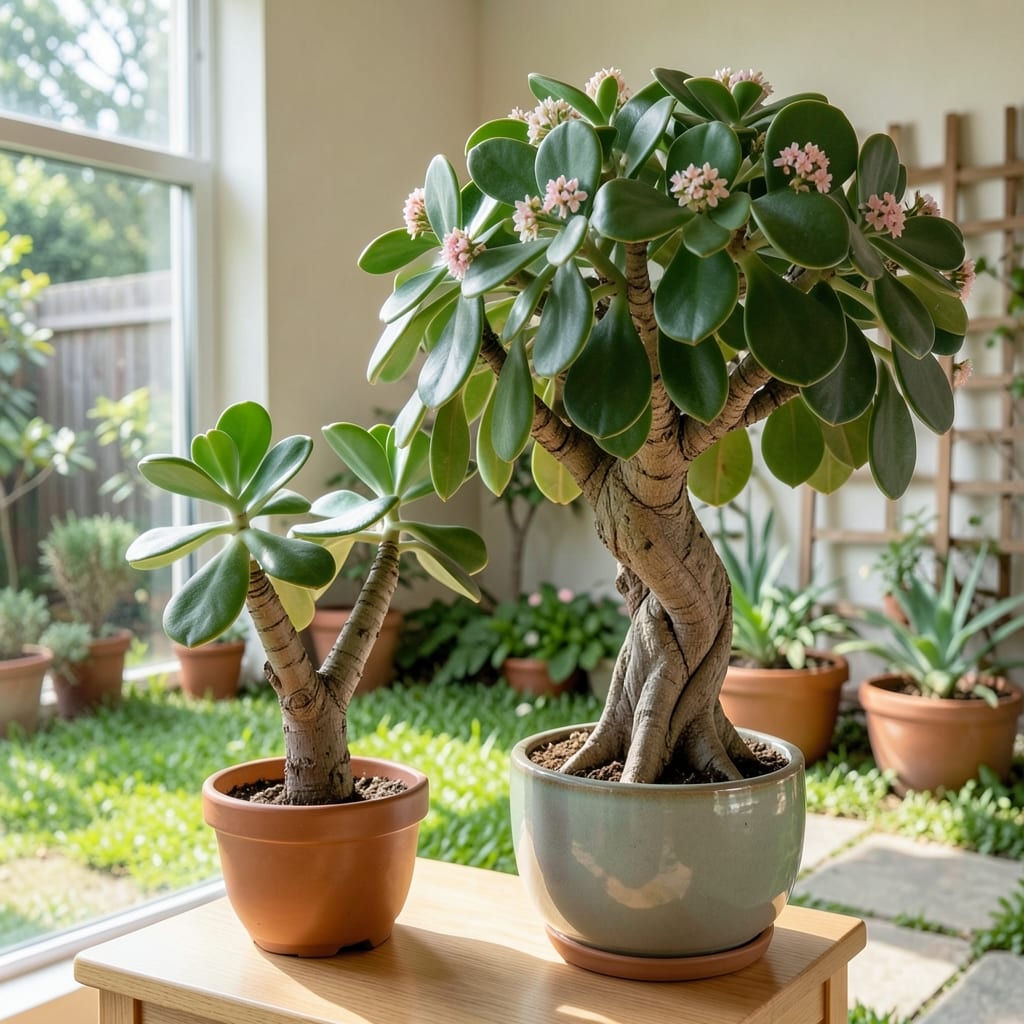
If you’ve ever wondered how tall can jade plants grow before they turn your living room into a jungle, you’re not alone. These succulent beauties—with their plump, jade-green leaves—can stretch surprisingly high, but their size depends on more than just time.
In ideal conditions, a mature Jade Plant 🌿 can reach 3 to 10 feet tall, though most stay between 3 and 5 feet with proper care. The key lies in sunlight, pruning, and pot size—factors you can control to keep your plant at your desired height without sacrificing its health.
Whether you’re dealing with a fast-growing standard variety or a compact dwarf type, understanding these growth patterns will help you manage your Jade Plant’s height naturally. Let’s explore how to encourage bushier growth and avoid the towering look.
From pruning secrets to common mistakes that make plants shoot up uncontrollably, I’ll show you exactly how to keep your Jade Plant at the perfect height—no harsh cuts required.


Jade plant growth stages: how tall they naturally reach (with size expectations)
Jade plants (Crassula ovata) are famous for their slow, steady growth—often growing just 3–12 inches per year under ideal conditions. Unlike fast-growing succulents, they mature gradually, making them perfect for gardeners who enjoy watching their plants develop over time. The average mature height ranges from 3 to 10 feet, depending on care, variety, and environmental factors.
Understanding their growth stages helps you predict height and plan for pruning or repotting. Young jade plants stay compact, while older specimens can stretch dramatically if left unchecked. The key to controlling height lies in light exposure, pruning, and pot size—all of which we’ll explore in detail below.
🌱
| Growth Stage | Height Range | Annual Growth Rate | Key Characteristics |
|---|---|---|---|
| Juvenile (0–2 years) | 6–12 inches | 3–6 inches/year | Thick, rounded leaves; slow growth |
| Mature (3–5 years) | 2–5 feet | 6–12 inches/year | Thicker stems; may flower |
| Old Age (5+ years) | 5–10 feet | Varies (slow or rapid) | Leggy growth; needs pruning |
| Dwarf Varieties | 1–3 feet | 2–4 inches/year | Compact leaves; bushier habit |
Light plays a crucial role in determining how tall your jade plant grows. In bright, direct sunlight (like a south-facing window), jade plants grow taller and bushier because they stretch toward the light. However, too much direct sun can cause sunburn on leaves, so a balance is key. If your plant isn’t getting enough light, it may grow leggy and spindly, reaching for more sunlight and becoming top-heavy.
Soil and pot size also influence height. Jade plants prefer well-draining, sandy soil to prevent root rot, which can stunt growth. If your plant is root-bound (roots circling the pot), it will focus energy on stretching upward rather than expanding outward. Repotting every 2–3 years into a slightly larger container encourages healthier, more controlled growth.
Temperature and humidity affect growth too. Jade plants thrive in USDA Zones 9–11 but can survive indoors in cooler climates. In dry environments, they grow slower but stay compact. High humidity, however, can lead to soft, stretched stems as the plant seeks more light and support.
🌿
One of the most exciting stages is when a jade plant flowers. While rare indoors, mature plants (especially those in full sun) may produce tiny white or pink star-shaped blooms on tall, leafless stems. This typically happens in spring or early summer and signals a healthy, well-established plant. Flowering doesn’t directly impact height but is a great indicator that your plant is thriving.
If you’re growing a dwarf variety like Crassula ovata 'Hummel’s Sunset,' expect a more compact size (1–3 feet). These varieties are bred to stay smaller, making them ideal for desks or shelves. Standard varieties, however, can easily reach 6–10 feet if left unpruned, especially in outdoor settings with ample sunlight and space.
✂️
Natural pruning techniques to control jade plant height without sacrificing health
If your jade plant is shooting up like a towering tree instead of staying compact, don’t panic—strategic pruning can keep it lush and manageable. The key is to encourage bushier growth by redirecting energy from vertical stems to lateral branches. This method works best when done in spring or early summer, when the plant is actively growing.
Start by identifying the longest stems—these are the ones causing your jade to stretch toward the sky. Instead of cutting them off entirely, trim just above a leaf node (the small bump where leaves grow). This encourages the plant to branch out from that spot, creating a fuller shape without sacrificing height completely.
After pruning, your jade plant will focus energy on lateral branches instead of vertical growth. Place the plant in bright, indirect light for a few weeks to help it recover, and avoid fertilizing immediately—this can stress the plant while it adjusts. Within a few months, you’ll notice a fuller, bushier shape with controlled height.
For dwarf varieties like Crassula ovata 'Hummel's Sunset', prune more aggressively to keep them under 3 feet. Standard varieties may reach 5-10 feet without intervention, but regular pruning can cap them at 3-4 feet—perfect for shelves or countertops. The goal is balance: enough height for structure, but enough bushiness for beauty.
Pro tip: Rotate your jade plant quarter-turns every few weeks to ensure even growth. This prevents lopsidedness and encourages uniform branching, making your pruning efforts even more effective. With patience and consistency, your jade will stay compact and thriving without ever feeling stunted.
Remember, pruning isn’t just about size control—it’s also about rejuvenating your plant. By removing old or leggy growth, you’re making room for healthier, more vibrant new stems. Think of it as a haircut for your jade: regular trims keep it looking its best! 🪴