
How To
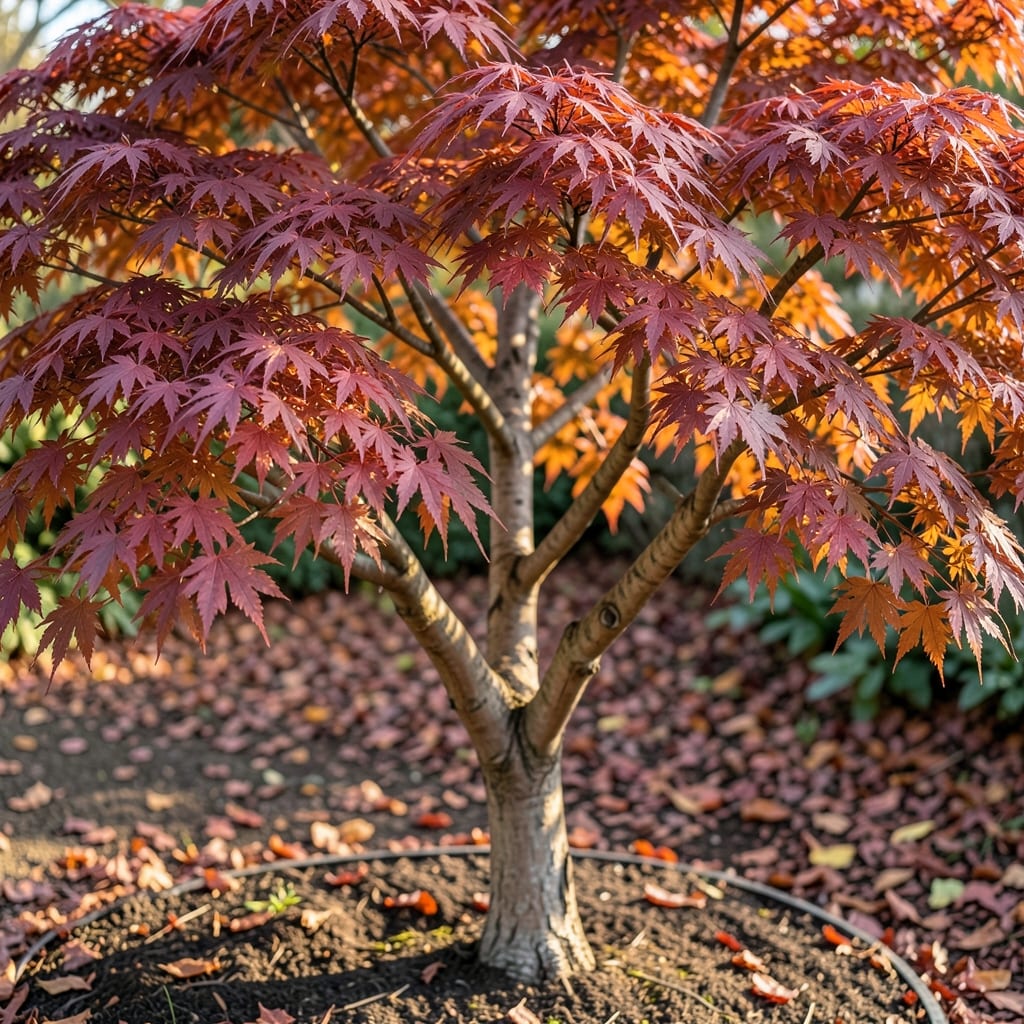
If you’ve ever wondered how tall your Japanese Maple 🌿 could grow—or whether it’ll fit in your yard or just a pot—you’re not alone. These stunning trees can range from compact shrubs to towering giants, depending on the variety, and knowing their mature height is the key to planning your landscape like a pro.
The truth is, some Japanese Maples stay under 10 feet, perfect for small gardens or containers, while others stretch toward 30 feet, making them statement pieces in large landscapes. Whether you’re dreaming of a delicate weeping branch or a bold upright specimen, choosing the right type—and caring for it properly—will determine how much space it claims over time.
In this guide, I’ll break down the height ranges for popular varieties—like the dwarf ‘Emperor I’ vs. the towering ‘Bloodgood’—and share pruning tips to keep your tree at your ideal height. Ready to pick the perfect Japanese Maple for your space?
Let’s dive into the varieties, growth habits, and care secrets that’ll help you grow the tree of your dreams—without the surprises.

Japanese maple height by variety: from dwarf to giant species
Japanese maples (Acer palmatum and Acer japonicum) offer an incredible range of mature heights, from 6-foot dwarf varieties perfect for containers to 30-foot giants that become focal points in large landscapes. The key to selecting the right tree lies in understanding how each variety grows—some stay compact for decades, while others shoot up quickly in ideal conditions.
Most height differences stem from species and cultivar selection. For example, Acer palmatum 'Bloodgood' typically reaches 20-25 feet at maturity, while Acer shirasawanum 'Shishigashira' maxes out around 8-10 feet. Even within the same species, growth habits can vary dramatically based on sunlight exposure, soil acidity, and regional climate.
Here’s a quick reference for popular varieties and their mature heights in full sun vs. partial shade conditions:
| Variety | Mature Height (Full Sun) | Mature Height (Partial Shade) | Growth Rate | Notes |
|---|---|---|---|---|
| Acer palmatum 'Bloodgood' | 20-25 ft | 15-20 ft | Moderate | Upright, deep purple foliage |
| Acer palmatum 'Crimson Queen' | 15-20 ft | 10-15 ft | Slow to Moderate | Weeping branches, vibrant red |
| Acer shirasawanum 'Shishigashira' | 8-10 ft | 6-8 ft | Slow | Dwarf, rounded, white bark |
| Acer japonicum 'Aureum' | 25-30 ft | 20-25 ft | Moderate to Fast | Golden foliage, upright |
| Acer palmatum 'Emperor I' | 6-8 ft | 5-7 ft | Very Slow | Dwarf, compact, burgundy |
| Acer palmatum 'Seiryu' | 12-15 ft | 10-12 ft | Moderate | Weeping, green foliage |
Notice how partial shade often reduces mature height by 20-30%? This is because Japanese maples grow more slowly in lower light, making them ideal for woodland gardens or urban courtyards with filtered sunlight. If you’re in a hot climate, afternoon shade can actually extend their lifespan by preventing leaf scorch.
For fast-growing varieties, like Acer japonicum 'Aureum', expect 1-2 feet of growth per year in ideal conditions. In contrast, dwarf varieties like 'Emperor I' may only add 2-3 inches annually. This slow growth is one reason they’re so prized—you can enjoy their stunning foliage colors for decades without them becoming overwhelming.
Another critical factor is root spread. Even compact varieties like 'Shishigashira' can spread 8-10 feet wide at maturity, so always account for both height and width when planning your landscape. For example, a 10-foot-tall weeping maple might need 15 feet of horizontal space to thrive.
If you’re growing Japanese maples in containers, expect their mature height to be 30-50%
Pruning Japanese maples to control height: expert techniques for different growth habits
Pruning is the secret weapon for managing your Japanese maple's height while preserving its natural beauty. Unlike many trees, these ornamental giants respond beautifully to strategic cuts, allowing you to shape them for your space. The key is understanding when and how to prune based on your tree's growth habit—whether it's weeping, upright, or rounded.
For young trees (under 5 years), focus on structural pruning to establish a strong framework. Remove competing branches and any that grow inward to prevent future crowding. This early intervention sets the stage for a healthier, more balanced tree as it matures. Avoid heavy pruning now—just a light trim to encourage upward growth.
🌿 Step-by-Step Pruning Guide for Japanese Maples
- Step 1: Prune in late winter (just before buds swell) for dormant season cuts.
- Step 2: Use sharp, clean tools (bypass pruners or loppers) to make cuts at a 45-degree angle.
- Step 3: Remove dead or diseased branches first—never leave them on the tree.
- Step 4: For height control, cut just above a bud or branch collar to encourage outward growth.
- Step 5: Thin out 20-30% of foliage annually to improve air circulation and light penetration.
- Step 6: Avoid summer pruning—it stresses the tree and can lead to sunscald on exposed branches.
Mature trees (over 10 years) need a gentler approach to avoid shock. If you're dealing with a tall variety like Acer japonicum 'Aureum' (which can reach 25 feet), focus on selective branch removal rather than topping. Topping—cutting back to a stub—creates weak, water-sprout growth that ruins the tree's natural form. Instead, prune back to a lateral branch or bud.
Weeping varieties like Acer palmatum 'Crimson Queen' require special attention. Their graceful, cascading branches need support as they grow heavier. Prune to maintain their elegant shape by removing any branches that grow too upright or stiff**. Trim back overly long branches in early spring to encourage denser foliage at the tips. Always prune after the tree has finished flowering to avoid sacrificing next year's blooms.
One common mistake is over-pruning in a single session. Japanese maples are slow growers—they can take years to recover from aggressive cuts. Spread your pruning over 2-3 sessions if needed, and never remove more than 25% of the canopy in one year. After pruning, water deeply and apply a light layer of mulch to protect the roots and reduce stress.
For container-grown Japanese maples, pruning is even more critical since their root systems are naturally restricted. Prune annually in early spring to control height and encourage bushier growth. If your tree outgrows its pot, consider root pruning at the same time to keep the root ball in check. Always use well-draining soil and a pot with drainage holes to prevent root rot, which can weaken the tree and make it more susceptible to pruning stress.