
Vegetables
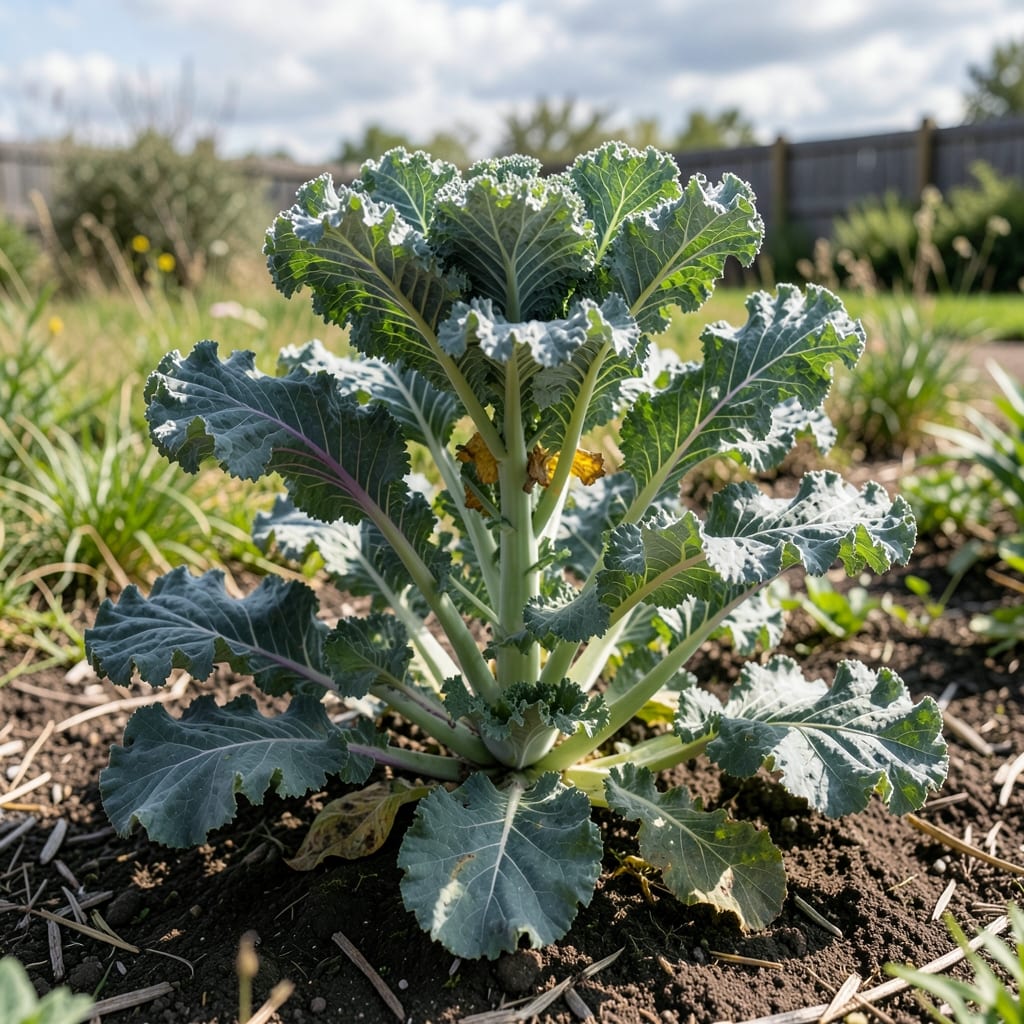
If you’ve ever wondered how tall can kale grow before it turns into a jungle in your garden, the answer might surprise you. This leafy green 🥬 isn’t just a space-saver—it can reach heights of up to 3 feet depending on the variety, and that’s not counting its bushy, sprawling leaves!
But here’s the catch: not all kale grows the same way. Dwarf varieties stay compact at just 8-12 inches, perfect for containers or small gardens, while standard types like curly or lacinato kale stretch taller. The key to maximizing your harvest—and avoiding a tangled mess—lies in understanding your plant’s growth habits and giving it the right space to thrive.
Whether you’re growing kale for baby leaves or full-sized stalks, knowing the ideal height for your variety will help you plan spacing, pruning, and even when to harvest for the best flavor. Let’s dive into how to keep your kale happy, healthy, and at the perfect height for your garden goals.
From dwarf varieties that fit neatly in pots to towering stalks that need room to breathe, we’ll cover everything you need to know to get the most out of your kale—without sacrificing space or yield. Ready to turn your garden into a kale powerhouse?


Kale growth height by variety: from dwarf to towering giants
Kale’s height varies dramatically depending on the variety you choose, with some staying compact while others reach towering proportions. Understanding these differences helps you plan your garden layout and harvest strategy effectively. Whether you're growing space-saving dwarf types or robust standard varieties, each has unique growth habits that impact yield and care requirements.
For example, dwarf varieties like 'Dwarf Blue Curled' max out at just 8-12 inches tall, making them perfect for container gardening or small urban plots. Meanwhile, standard varieties such as 'Winterbor' can soar to 2-3 feet tall, providing ample harvests for larger gardens. The key difference lies in their growth habit—bushy, compact types versus upright, stalky varieties.
Let’s explore the height ranges and growth characteristics of popular kale varieties to help you select the best fit for your space and goals.
🌱 Did You Know? Kale’s height doesn’t just affect how it looks—taller varieties often produce larger leaves and more nutrient-dense harvests, while dwarf types mature faster and are ideal for continuous harvesting.
| Variety | Height Range | Growth Habit | Best For |
|---|---|---|---|
| Dwarf Blue Curled | 8–12 inches | Bushy, compact | Containers, small gardens |
| Lacinato (Dinosaur Kale) | 18–24 inches | Upright, sturdy stalks | Large harvests, cold climates |
| Red Russian | 12–18 inches | Semi-bushy, loose heads | Continuous harvest, mild climates |
| Winterbor | 24–36 inches | Tall, upright, curly | Late-season harvests, large plots |
| Scarlet | 12–18 inches | Compact, bushy | Small gardens, early harvests |
Choosing the right variety isn’t just about height—it’s also about harvest timing and flavor profiles. For instance, Lacinato kale (Dinosaur Kale) grows taller but has a more robust, slightly bitter taste, while Red Russian stays shorter with a sweeter, more tender leaf. If you’re short on space, dwarf varieties like 'Dwarf Blue Curled' are your best bet, but they’ll require more frequent harvesting to keep production high.
Taller varieties like Winterbor can become top-heavy in windy conditions, so consider staking or planting them in sheltered areas. Their height also means they’ll outcompete nearby plants for sunlight, so proper spacing is critical (we’ll cover that in the next section!).
Pro tip: If you love the flavor of tall kale varieties but lack space, try successive planting. Sow seeds every 2-3 weeks to ensure a steady supply of fresh leaves without overwhelming your garden.
🌿 Key Takeaway: Match your kale variety to your garden’s space constraints and climate conditions. Dwarf types thrive in containers, while tall varieties excel in open, sunny plots with room to stretch.
Now that you know which varieties to grow based on height, let’s dive into how to space your kale plants for optimal growth and pest prevention in the next section.
Optimal spacing for kale plants: prevent overcrowding and maximize yield
Kale’s mature height varies by variety, but spacing is the secret weapon to preventing overcrowding. When plants compete for nutrients and sunlight, they grow tall and leggy instead of producing lush, flavorful leaves. Proper spacing ensures strong stems, vibrant foliage, and continuous harvests throughout the season.
For most standard kale varieties (like curly or lacinato), aim for 12–18 inches between plants. This spacing allows air to circulate, reducing the risk of fungal diseases like downy mildew. If you’re growing taller varieties (e.g., Red Russian or Winterbor), give them 24+ inches to avoid shading smaller neighbors.
| Variety Type | Spacing (Inches) | Row Spacing (Inches) | Notes |
|---|---|---|---|
| Dwarf (e.g., Miniature Kale) | 8–12 | 12–16 | Ideal for containers or small gardens |
| Standard (e.g., Curly Kale) | 12–18 | 18–24 | Most common spacing for home gardens |
| Tall (e.g., Red Russian) | 24+ | 30+ | Prevents lodging and improves air flow |
| Container-Grown | 1 plant per 5-gallon pot | N/A | Use well-draining soil and fertilize weekly |
If you’re planting kale in rows, maintain 18–24 inches between rows to allow easy access for harvesting and weeding. This spacing also helps prevent soil-borne diseases by reducing humidity near the plants. For container gardening, use at least a 5-gallon pot per plant to avoid root-bound stress, which stunts growth and reduces yield.
Overcrowding isn’t just bad for your plants—it’s an open invitation to pests like aphids and cabbage worms. Tight spacing creates a cozy, humid microclimate where these critters thrive. By giving your kale room to breathe, you’re also making it harder for pests to spread from plant to plant.
For continuous harvests, stagger your planting by 2–3 weeks and space plants according to their mature size. This ensures you always have fresh leaves ready to pick while older plants finish their growth cycle. In cooler climates, you can even overwinter kale with proper spacing—just mulch heavily to protect roots.
Pro tip: Use string or stakes to mark your spacing before planting. This visual guide helps you maintain consistency, especially if you’re working with multiple varieties. And remember, less is more—tight spacing might seem efficient, but it’ll cost you in flavor, health, and harvest size.