
How To
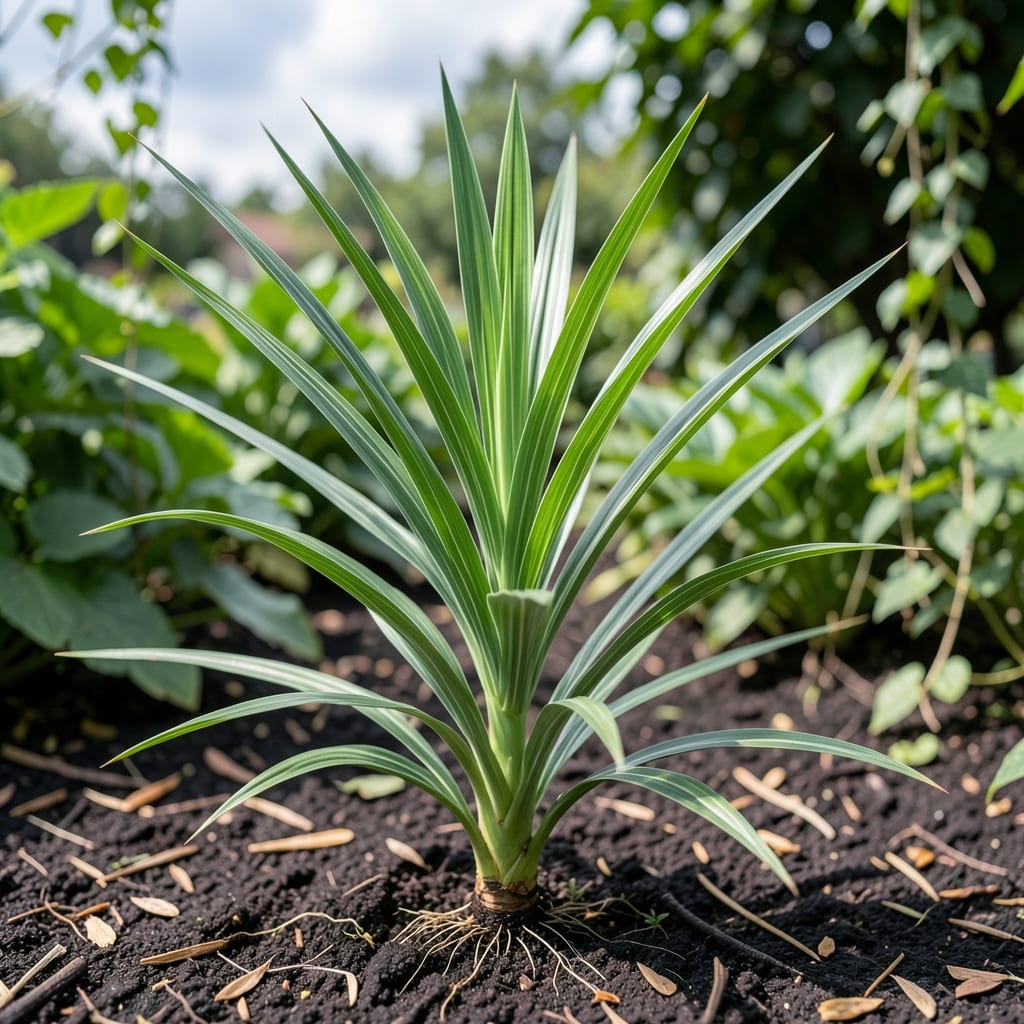
Wondering how tall can lemongrass grow in your garden? This fragrant 🌿 plant can surprise you with its height—some varieties stretch up to 6 feet, while others stay closer to 3 feet. The difference often comes down to your climate, soil, and care routine.
If you're growing lemongrass for cooking or just love its tropical look, knowing its potential height helps you plan your garden layout. In USDA Zone 6a, where spring planting is ideal, lemongrass thrives with the right conditions—but even small tweaks can make a big difference in how tall it grows.
Ready to maximize your harvest? I’ll break down the factors that influence height, from sunlight needs to pruning tips, so you can grow lemongrass that’s both tall and healthy. Let’s get started!
Whether you’re a beginner or a seasoned gardener, these insights will help you nurture lemongrass that reaches its full potential—without taking over your yard. Stay tuned for practical tips to keep it lush and flavorful!


Lemongrass height by variety: from dwarf to giant growth potential
Lemongrass (Cymbopogon citratus) is famous for its towering presence, but not all varieties grow to the same height. The most common type, standard lemongrass, typically reaches 5 to 6 feet tall under ideal conditions, making it taller than many gardeners expect. However, its height can vary significantly based on climate, care, and variety. Some tropical strains even exceed 6 feet in warm, humid environments, while temperate varieties may max out at 3 to 4 feet.
If you're growing lemongrass for culinary use, height matters because taller stems often produce more usable leaves. But don’t let its stature intimidate you—with the right soil, sunlight, and spacing, even compact varieties can thrive in containers or small gardens. The key is understanding which type you’re cultivating and adjusting your care routine accordingly.
Did you know? Lemongrass isn’t just one plant—it’s a genus with over 55 species, and only a few are commonly grown for their aromatic stems. The most popular culinary varieties (Cymbopogon citratus and Cymbopogon flexuosus) are the ones you’ll find in grocery stores and home gardens, but ornamental types can reach 7+ feet in tropical climates.
🌱
| Variety | Mature Height | Climate Adaptation | Growth Notes |
|---|---|---|---|
| Cymbopogon citratus (Standard) | 5–6 ft | Tropical/Subtropical | Most common culinary type; thrives in USDA Zones 9–11. |
| Cymbopogon flexuosus (East Indian) | 6–8 ft | Tropical (hotter climates) | More aromatic; needs consistent warmth to reach full height. |
| Cymbopogon nardus (Citronella) | 4–5 ft | Temperate/Tropical | Often used for mosquito repellent; more compact than culinary types. |
| Ornamental Varieties | 7–10 ft | Tropical Only | Grown for foliage; rarely edible; needs space. |
The tallest lemongrass varieties often grow in USDA Zones 10–12, where they enjoy year-round warmth and humidity. In cooler climates like Zone 6a, lemongrass is typically grown as an annual or overwintered in containers. Even in these conditions, you can still expect 3 to 4 feet of growth if planted in spring or early summer and given proper care.
For gardeners in temperate zones, choosing a shorter variety like Cymbopogon nardus can be a game-changer. These types are hardier and less likely to flop over in windy conditions. Plus, their compact stature makes them easier to harvest and maintain, even in small spaces like patio pots or raised beds.
If you’re growing lemongrass in containers, height can be managed more easily. A 5-gallon pot is ideal for standard varieties, allowing roots to spread while keeping the plant from becoming top-heavy. Just ensure the container has drainage holes to prevent root rot—a common issue with taller, moisture-loving plants.
🌿
One misconception many gardeners have is that lemongrass will grow indefinitely. In reality, its height is genetically limited by the variety, but poor care can stunt growth. For example, overcrowding or nutrient deficiencies can reduce a plant’s potential height by 20–30%. That’s why spacing and regular fertilization (like a balanced 10-10-10 NPK mix) are critical for maximizing growth.
Pro tip: If you’re growing lemongrass in USDA Zone 8 or below, consider mulching heavily in winter. A 3-inch layer of straw or wood chips can protect the crown from freezing temperatures, allowing the plant to rebound taller in the following spring. This simple trick can add 6–12 inches to your lemongrass’s height the next season!
Lemongrass height by variety: from dwarf to giant growth potential
Lemongrass (Cymbopogon citratus) is a tropical grass that can reach impressive heights—some varieties even surpassing 6 feet under ideal conditions. However, its growth potential varies widely depending on the specific variety and growing environment. For example, the common culinary lemongrass typically matures between 3 to 5 feet, while tropical varieties like Cymbopogon flexuosus can tower up to 7 feet in warm climates. Understanding these differences helps you plan spacing and support for your plants.
The height of your lemongrass also depends on whether you're growing it in tropical zones (like Florida or Hawaii) versus temperate climates (such as Zone 6a). In cooler regions, lemongrass often stays shorter—around 3 to 4 feet—unless you provide extended growing seasons or container protection. Even then, it may not reach its full tropical height potential.
Here’s a quick comparison of the most common varieties and their mature heights:
| Variety | Mature Height | Growth Notes |
|---|---|---|
| Cymbopogon citratus | 3–5 ft | Most common culinary type; thrives in warm climates. |
| Cymbopogon flexuosus | 5–7 ft | Tropical giant; needs year-round warmth. |
| Dwarf varieties (rare) | 2–3 ft | Not widely available; often grown in containers. |
| Wild/naturalized types | 4–6 ft | Adaptable but may spread aggressively. |
If you’re growing lemongrass in containers, expect slightly shorter heights—around 2 to 4 feet—due to root restrictions. However, with proper care, container-grown lemongrass can still produce harvestable stems. The key is choosing a pot with at least 12-inch depth and ensuring it doesn’t dry out too quickly. In-ground plants, on the other hand, have more room to stretch their roots and reach their full height potential.
Another factor affecting height is whether your lemongrass is perennial or annual in your climate. In USDA Zone 8 and above, lemongrass is perennial and can grow taller each year. But in cooler zones (like Zone 6a), it’s often treated as an annual or overwintered plant, which may limit its height to 3 to 4 feet in its first season. To maximize growth, start new plants each spring after the last frost.
For those in temperate climates, extending the growing season with row covers or greenhouses can help lemongrass reach closer to its tropical height. Even a 1-foot height boost can make a difference in yield and flavor intensity. Just remember: the taller the plant, the more sturdy support (like stakes or trellises) it may need to avoid flopping over in wind or rain.
Finally, if you’re growing lemongrass for culinary use, focus on harvesting before flowering. This encourages bushier growth and prevents the plant from putting all its energy into seed production, which can stunt future height. Regular pruning and harvesting also help maintain a compact, manageable size while keeping the plant productive.