
How To
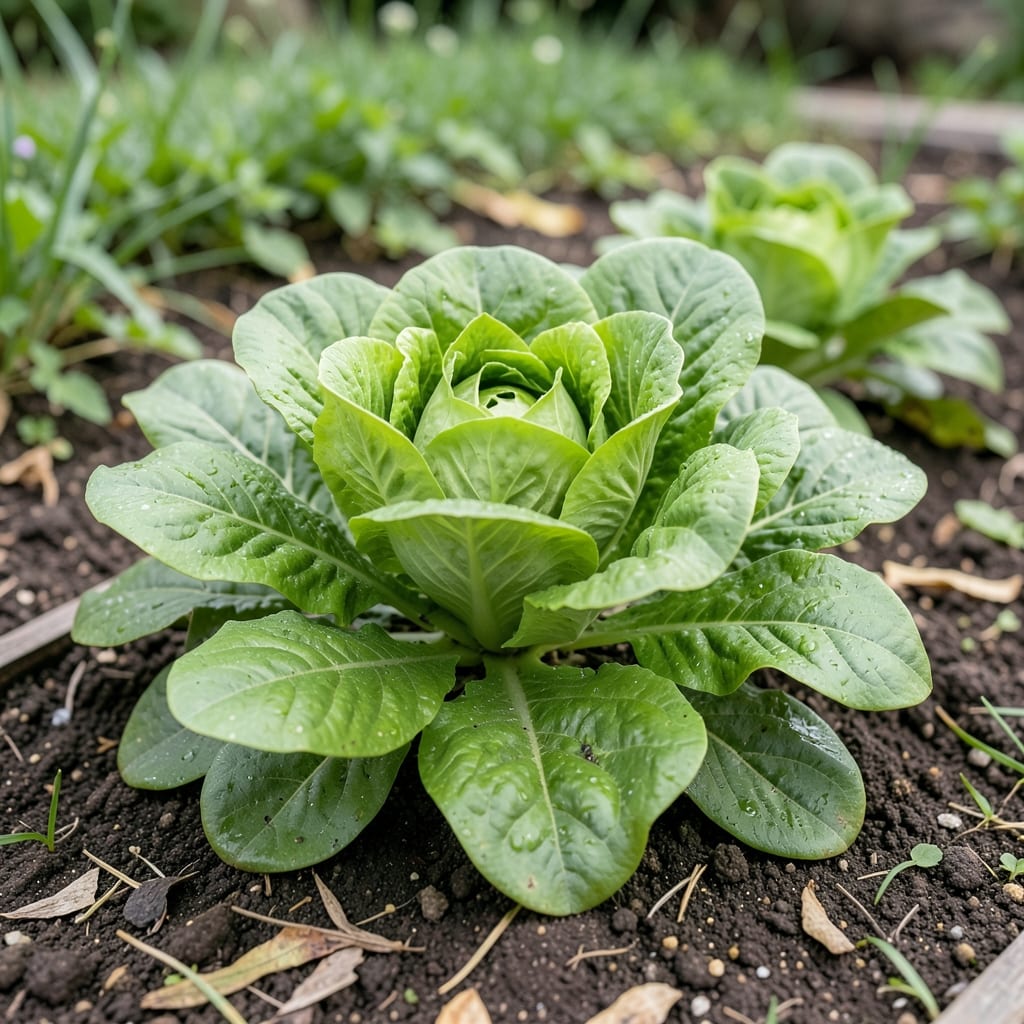
If you've ever wondered how tall lettuce can grow, you're not alone—some varieties barely reach your wrist while others shoot up like tiny trees. The height of lettuce can vary dramatically—from compact 4-inch dwarf varieties to towering 3-foot giants—depending on the type you grow. Whether you're working with limited space or dreaming of a lush garden salad patch, understanding these differences is the key to a thriving harvest.
Leaf lettuce, like butterhead or romaine, often stays on the shorter side, perfect for container gardening or small plots. But heirloom and loose-leaf varieties can surprise you with their height, sometimes stretching beyond what you'd expect. The good news? With the right care—proper spacing, sunlight, and soil—you can encourage your plants to grow just the way you want them, whether that means keeping them compact or letting them reach their full potential.
Ever pulled up a lettuce plant only to find it's bolted or leggy? That's often a sign of improper care or overcrowding. The right techniques can help you control growth, ensuring your lettuce stays healthy and harvest-ready. From thinning seedlings to adjusting water and fertilizer, small tweaks can make a big difference in how tall—or short—your lettuce grows.
Ready to unlock the secrets of perfect lettuce height? Let’s dive into the varieties, care tips, and troubleshooting tricks that will help you grow lettuce that’s just right for your garden—or your salad bowl. Your next crisp, homegrown harvest starts here.


Lettuce height by variety: dwarf to giant types explained
Lettuce isn’t one-size-fits-all—some varieties stay as short as a 4-inch salad bowl, while others stretch toward 36 inches like a leafy skyscraper. The difference? Genetics, care, and spacing. Understanding these ranges helps you choose the perfect variety for your garden or container. Whether you’re growing in a window box or a raised bed, knowing your lettuce’s mature height prevents overcrowding and bolting.
Leaf lettuce, like Buttercrunch or Black Seeded Simpson, typically maxes out at 6–12 inches. These loose-leaf types grow horizontally, spreading wide rather than tall, making them ideal for cut-and-come-again harvests. Romaine, such as Parris Island, can reach 12–24 inches, with long, upright stalks perfect for salad bowls. Meanwhile, heirloom varieties like Jericho Romaine or Oakleaf often top out at 18–36 inches, needing more elbow room.
| Variety Type | Height Range | Spacing Needs | Best For |
|---|---|---|---|
| Dwarf Leaf (e.g., Salad Bowl) | 4–8 inches | 6–8 inches apart | Containers, small gardens |
| Butterhead (e.g., Bibb) | 6–12 inches | 10–12 inches apart | Salads, loose-leaf harvests |
| Romaine (e.g., Parris Island) | 12–24 inches | 12–16 inches apart | Salad bowls, crunchy texture |
| Heirloom (e.g., Jericho Romaine) | 18–36 inches | 18–24 inches apart | Large gardens, heirloom varieties |
Butterhead lettuce, like Bibb or Boston, usually tops out at 8–12 inches with a rounded, buttery texture. These varieties form tight heads and thrive in cool weather, making them a spring or fall favorite. If you’re growing in containers, opt for dwarf varieties like Salad Bowl, which stay under 8 inches and fit perfectly in 5-gallon pots.
For tallest lettuce, look to cos or romaine types, especially heirloom varieties. Some, like Oakleaf, can grow 30+ inches tall with frilly, lobed leaves. These need deep soil and sturdy stems to support their height. If you’re short on space, consider interplanting lettuce with shallow-rooted herbs like basil or cilantro to maximize your garden’s vertical real estate.
Spacing is critical—overcrowding leads to bolting or stunted growth. Follow the spacing guidelines above, and adjust for your garden layout. For example, romaine needs 12–16 inches between plants to avoid competition, while leaf lettuce can handle 6–8 inches in a cut-and-come-again setup. Always plant taller varieties on the north side of your garden to prevent shading shorter plants.
If you’re growing lettuce in shade, expect slower growth and smaller leaves. While lettuce tolerates partial shade, it still needs 4–6 hours of sunlight daily to reach its full height potential. Without enough light, your romaine might stay short and leggy, or your butterhead could develop bitter flavors. Use reflective surfaces or grow lights to boost light in low-light areas.
Pro tip: Harvest early to control height. For leaf lettuce, snip outer leaves when they reach 3–4 inches to encourage bushier growth. For head lettuce, like iceberg
Lettuce height by variety: dwarf to giant types explained
Lettuce height can vary dramatically from one variety to another, with some staying as short as 4 inches while others reach towering 36 inches. The type you choose determines not just your harvest size but also your garden layout and care approach. For example, my dwarf varieties thrive in window boxes, while giant romaine needs spacious rows to sprawl.
Understanding these differences helps you plan your garden efficiently. Leaf lettuce, like 'Black Seeded Simpson,' typically stays between 6-12 inches tall, making it ideal for cutting gardens. Meanwhile, romaine varieties like 'Cos' can stretch up to 24 inches, perfect for crisp salads. The key is matching your variety to your space and goals.
| Variety Type | Height Range | Spacing Needs | Best For |
|---|---|---|---|
| Dwarf Leaf Lettuce | 4–8 inches | 6–12 inches apart | Containers, cutting gardens |
| Butterhead Lettuce | 8–12 inches | 12–18 inches apart | Salads, loose-leaf harvests |
| Romaine Lettuce | 12–24 inches | 18–24 inches apart | Crisp salads, hearty dishes |
| Heirloom Giant Lettuce | 24–36 inches | 30+ inches apart | Showcase plants, large gardens |
For container gardening, I always opt for dwarf varieties like 'Little Gem' romaine, which tops out at 10 inches but delivers bold flavor. These compact types also bolt later, giving you a longer harvest window. If you're growing in rows, romaine or cos lettuce becomes a game-changer for hearty salads, but be prepared to give them room to stretch.
Spacing is crucial—crowded lettuce plants compete for nutrients and light, leading to stunted growth or leggy stems. I recommend following the spacing guidelines above to ensure each plant has room to reach its full potential. For example, my 36-inch heirloom varieties need at least 3 feet between plants to avoid shading and disease issues.
One pro tip I’ve learned: Harvest timing affects perceived height. If you pick outer leaves regularly from leaf lettuce, you can keep the plant compact for weeks. Conversely, waiting too long with head lettuce varieties like romaine lets them grow taller but may reduce quality. Balance is key!
When selecting seeds, always check the variety description for height ranges—this saves time and space in your garden. For instance, 'Arctic King' romaine grows 20 inches tall, while 'Salad Bowl' butterhead stays under 10 inches. These differences can change how you plan entire garden beds! 🥬