
Size
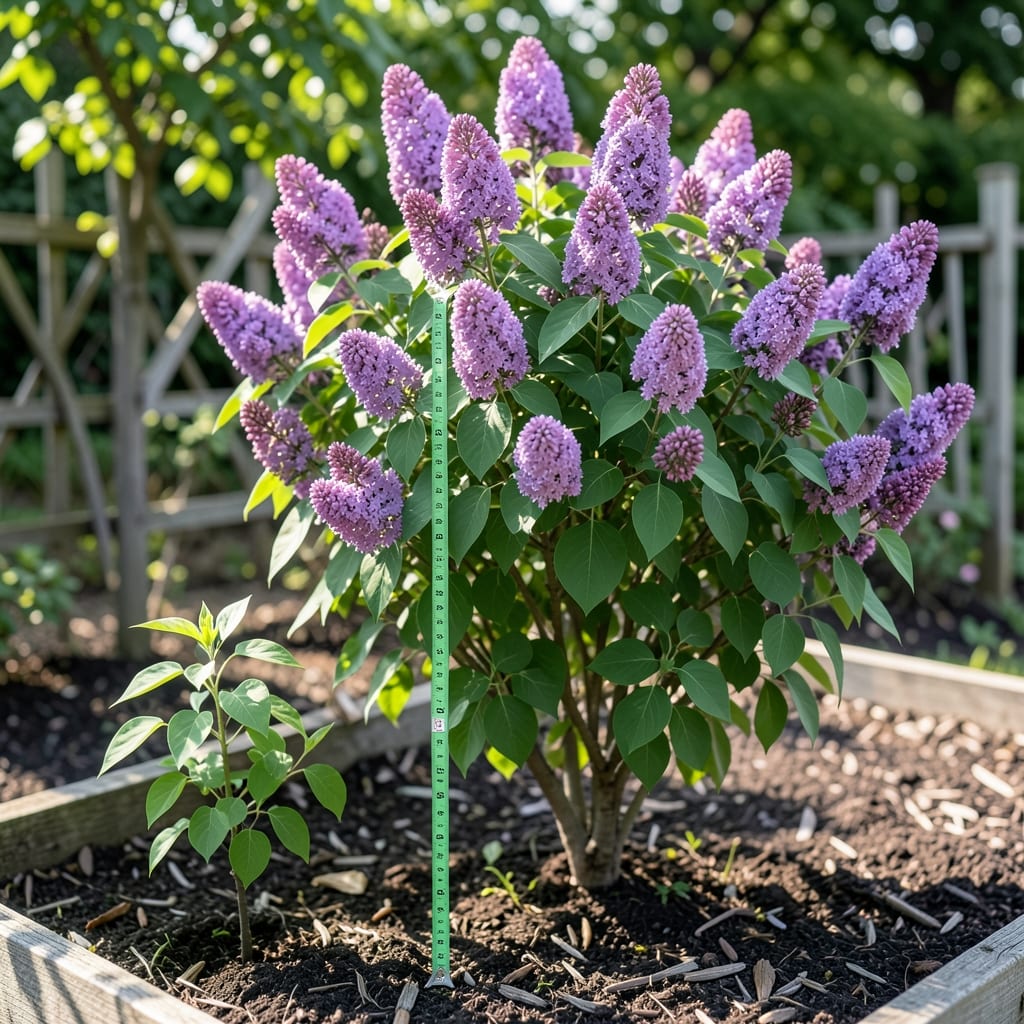
If you're planning your garden and wondering "how tall can lilacs grow", the answer might surprise you—these fragrant shrubs can reach anywhere from 4 feet to towering 15 feet depending on the variety. Whether you're dreaming of a classic border or a bold statement plant, understanding their mature size is key to making the right choice for your space.
Lilacs like Syringa vulgaris often grow into large shrubs, but don’t let their height scare you off. Dwarf varieties stay compact, making them perfect for small gardens, while standard types thrive as focal points in larger landscapes. The good news? With the right pruning techniques, you can control their growth and keep them at your desired height.
If you're considering lilacs for hedges or borders, some varieties are better suited than others. For example, dwarf lilacs like 'Little Lila' max out at just 3-4 feet, while standard types can easily exceed 10 feet. Knowing these differences helps you pick the perfect fit for your garden layout without sacrificing beauty.
Ready to learn how to manage their height and choose the best variety for your space? Let’s break down everything you need to know—from pruning tips to the best dwarf options for small gardens.


Lilac height variations by popular varieties: from dwarf to giant
Lilacs (Syringa vulgaris) are famous for their intoxicating fragrance, but their mature heights can vary dramatically—some stay under 3 feet while others reach 15 feet. Choosing the right variety ensures your garden layout works perfectly, whether you need a privacy screen, a fragrant border, or a small-space focal point. Let’s explore the height ranges of popular lilac types so you can pick the perfect fit for your yard.
The common lilac (Syringa vulgaris) is the most well-known variety, typically growing 8–15 feet tall at maturity. This classic shrub thrives in full sun and produces 6-inch-long flower spikes in shades of purple, white, or pink. If you’re dreaming of a towering specimen plant, this is the variety to consider—but be prepared for regular pruning to manage its height over time.
For smaller gardens, dwarf lilacs are a game-changer. Varieties like 'Little Johnny' and 'Miss Canada' max out at 3–4 feet tall, making them ideal for container gardening or foundation plantings. These compact shrubs still pack a punch with their fragrant blooms and low-maintenance care, perfect for patios or small yards where space is limited.
| Variety | Mature Height | Growth Rate | Best For |
|---|---|---|---|
| Common Lilac (Syringa vulgaris) | 8–15 ft | Moderate (1–2 ft/year) | Privacy screens, borders |
| Dwarf Lilac ('Little Johnny') | 3–4 ft | Slow (6–12 in/year) | Containers, small gardens |
| Semi-Dwarf ('President Lincoln') | 6–8 ft | Moderate (1 ft/year) | Foundation plantings |
| Giant Lilac ('Loddon Pink') | 12–15 ft | Fast (2+ ft/year) | Tall hedges, specimen plants |
If you’re looking for a mid-sized option, semi-dwarf varieties like 'President Lincoln' or 'Sensation' strike a balance with heights of 6–8 feet. These work beautifully as hedge rows or backyard accents, offering a manageable size without sacrificing the abundant blooms lilacs are known for. Their slower growth rate also means less frequent pruning compared to giant varieties.
For those who love drama, giant lilacs like 'Loddon Pink' or 'Loddon Royal Purple' can reach 12–15 feet tall, making them perfect for large landscapes or as a focal point near walkways. These varieties grow quickly and produce long, showy flower spikes, but they require more space and regular pruning to maintain their shape and control their spread.
Pro tip: Always check the mature height label when buying lilacs, as nursery tags often list the minimum expected height. Some varieties, like 'Miss Canada', may stay under 4 feet even after 10 years, while others like 'Common Lilac' can easily exceed 12 feet without pruning. Planting near a treeline or fence can also influence growth—lilacs left unpruned may lean or spread wider in shady conditions.
Whether you’re designing a romantic cottage garden or a modern urban landscape, choosing the right lilac height ensures your garden stays both functional and fragrant. Next, we’ll dive into how pruning techniques can further control lilac growth—because even the tallest varieties can be tamed with the right care!
How pruning affects lilac height: when and how to control growth
Pruning is the secret weapon for controlling lilac height—whether you want to keep them compact or encourage a taller, more dramatic look. Since lilacs bloom on old wood, timing and technique matter. Prune at the wrong time, and you might reduce next year’s flowers. But with the right approach, you can shape your lilacs to fit your garden perfectly, even if you start with a 15-foot giant or a 3-foot dwarf.
Most gardeners prune lilacs right after flowering, typically in late May or early June. This timing ensures you don’t cut off next year’s blooms, which form on last year’s growth. If you prune too late (after mid-June), you risk removing flower buds for the following spring. For dwarf varieties, light pruning after blooming keeps them tidy without sacrificing height.
Step-by-Step Pruning Guide
- Step 1: Wait until after flowering (late spring) to prune.
- Step 2: Remove dead or crossing branches first to improve airflow.
- Step 3: Cut back overgrown stems by 1/3 to encourage bushiness.
- Step 4: Shape the shrub by trimming outer branches for a rounded look.
- Step 5: Avoid heavy pruning in fall or winter—it stresses the plant.
Pro tip: Use clean, sharp pruners to make 45-degree cuts just above a bud.
If you’re dealing with a tall lilac that’s outgrown its space, you can prune it gradually over 3 years to reduce height safely. For example, cut back 1/3 of the tallest stems each year after flowering. This method prevents shock and keeps the plant healthy while slowly lowering its height. Just remember: Never prune more than 1/3 of the plant in one season, or you risk stunting growth or flower production.
For dwarf lilacs, minimal pruning is usually enough—just trim back a few inches after blooming to maintain shape. If you notice leggy growth, a light haircut in early summer can encourage denser foliage. The key is to prune lightly and often rather than making drastic cuts, which can weaken smaller varieties.
One common mistake is pruning lilacs in fall or winter, which can delay spring blooming or even prevent flowers entirely. Lilacs are late bloomers, and their buds form in the previous year’s growth. Cutting too late removes next year’s flowers. If you must prune in late summer, limit yourself to light shaping and avoid heavy cuts.
Finally, don’t forget that soil and sunlight also influence lilac height. Planting in full sun and well-draining soil encourages healthier, bushier growth, while shade can lead to leggy, weaker stems. Combine proper pruning with optimal growing conditions, and you’ll have lilacs that stay at your desired height—whether you love them tall and towering or compact and charming.