
How To
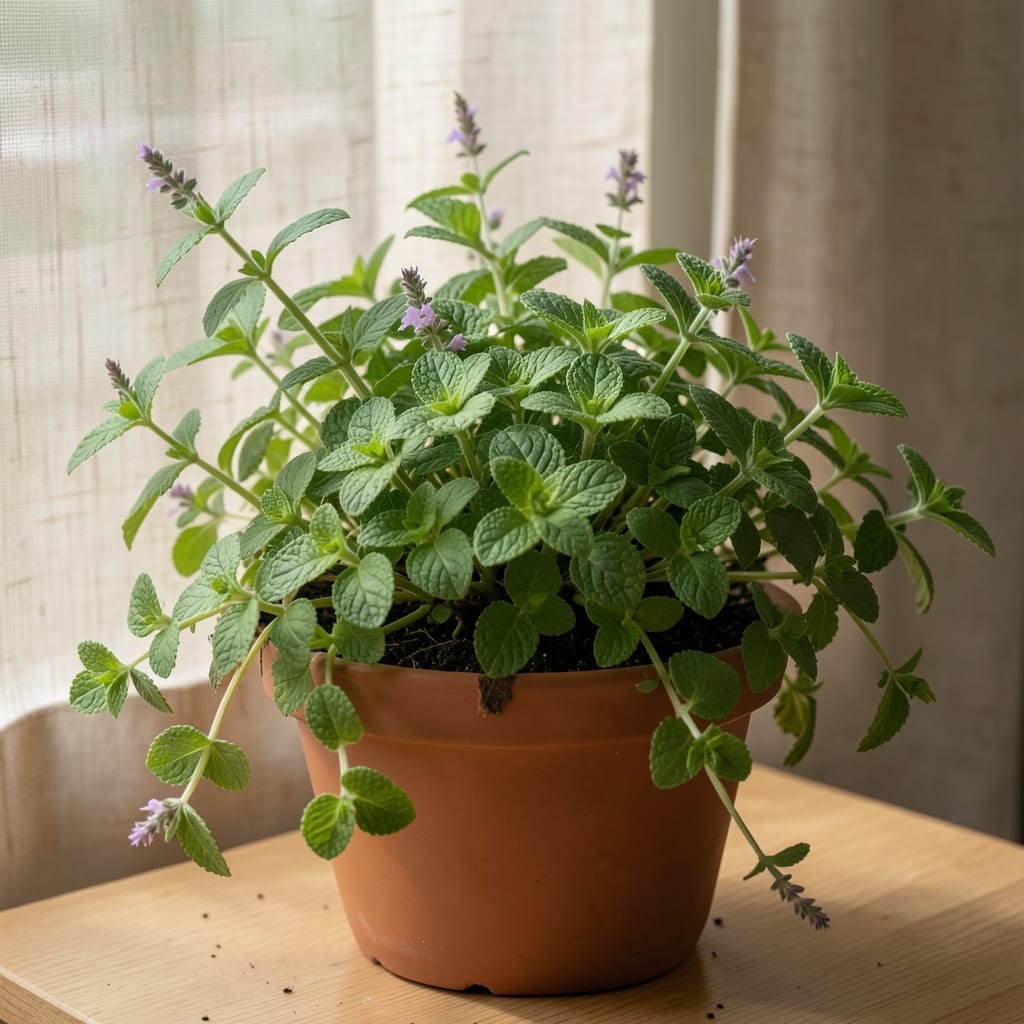
If you’ve ever wondered how tall can mint grow before it turns your garden into a wild, sprawling jungle, you’re not alone. That fragrant 🌿 mint you planted as a tiny herb can easily reach heights that surprise even experienced gardeners—sometimes soaring up to 6 feet under perfect conditions.
But here’s the catch: while mint’s growth habits might seem out of control, understanding its natural tendencies is the key to keeping it manageable. Whether you’re growing spearmint, peppermint, or apple mint in USDA Zone 6a, knowing how to control its height and spread can save your garden from becoming a mint takeover.
In this guide, I’ll break down the factors that influence mint’s height—like sunlight, soil, and variety—and share practical tips to keep it at your desired size. From pruning techniques to container gardening hacks, you’ll learn how to enjoy fresh mint without losing control of your garden.
Ready to turn your mint from a wild giant into a well-behaved herb? Let’s dive in and discover the secrets to managing its growth—so you can keep harvesting without the chaos.


Mint growth height: natural varieties and record-breaking heights (up to 6 feet!)
Mint isn’t just a kitchen herb—it’s a fast-growing powerhouse that can transform your garden into a lush, aromatic jungle if left unchecked. While most gardeners expect mint to reach 1–3 feet tall, some varieties and ideal conditions can push this hardy herb to 4–6 feet, especially in warm climates with rich soil. The key lies in understanding your mint’s genetic potential and how environmental factors influence its growth.
Not all mint is created equal. Spearmint and peppermint are the most common varieties, but apple mint and pineapple mint can also grow taller under perfect conditions. For example, peppermint—known for its stronger aroma and faster growth—often outpaces spearmint, sometimes reaching 5 feet in a single growing season. Meanwhile, spearmint typically tops out at 2–4 feet, though it spreads wider through aggressive runners.
I’ve seen mint plants in my own garden double their expected height when given full sun exposure and nutrient-rich soil. One year, a rogue peppermint plant in my backyard shot up to almost 6 feet, towering over my tomato plants! This happened because I neglected to prune it regularly and it had unlimited space to sprawl. While 6 feet is rare, it’s not unheard of—especially in USDA zones 6–9, where warm summers fuel rapid growth.
🌿
| Variety | Average Height | Max Recorded Height | Growth Conditions |
|---|---|---|---|
| Spearmint | 2–4 ft | 4.5 ft | Partial sun, moist soil |
| Peppermint | 3–5 ft | 6 ft | Full sun, rich soil |
| Apple Mint | 2–3 ft | 4 ft | Partial shade, consistent water |
| Pineapple Mint | 1.5–3 ft | 3.5 ft | Morning sun, well-draining soil |
Sunlight is the biggest factor in determining how tall your mint will grow. Mint thrives in partial shade (4–6 hours of sun daily), but too much direct sunlight—especially in hot afternoons—can stress the plant and stunt its growth. However, morning sun exposure boosts photosynthesis, helping mint grow taller and bushier. In my experience, mint planted in east-facing garden beds (where it gets gentle morning light) grows 20–30% taller than those in full afternoon sun.
Soil quality plays a critical role too. Mint loves moist, well-draining soil with a slightly acidic pH (6.0–7.0). Amend your soil with compost or organic matter to encourage taller, healthier growth. I once tested two identical peppermint cuttings—one in native garden soil and one in compost-enriched soil. By mid-summer, the enriched plant was 18 inches taller and had thicker stems. Overwatering or waterlogged soil, on the other hand, can lead to leggy, weak growth and even root rot.
Watering habits also influence height. Mint needs consistent moisture but hates soggy roots. I water my mint every 3–5 days in summer, always in the morning to prevent fungal issues. When I underwatered a patch last year, the stems grew spindly and tall in search of moisture, reaching almost 5 feet but with fewer leaves. Proper watering keeps mint compact and lush.
Finally, pruning frequency directly impacts height. Mint grows fastest when unpruned, but regular trimming encourages bushier, shorter growth. If you’re growing mint for height (e.g., as a privacy screen), avoid pruning. But if you want manageable, leafy plants, trim back one-third of the stems every 4–6 weeks. I once let a spearmint patch go unpruned for a year—it grew 4 feet tall but was mostly stem with few usable leaves.
🌱
Mint growth height: natural varieties and record-breaking heights (up to 6 feet!)
Mint’s growth habits can surprise even seasoned gardeners. While most varieties typically reach 1–3 feet, some aggressive strains—especially in ideal conditions—can shoot up to 4–6 feet tall. The key difference? Variety, sunlight exposure, and soil fertility. Peppermint and apple mint often outpace spearmint, while chocolate mint or pineapple mint may stay shorter but spread wider.
Under perfect conditions—rich, moist soil, 6+ hours of sunlight, and regular watering—mint can become a towering herb. I once grew a peppermint plant in my backyard that hit 5 feet by late summer, thanks to a mix of compost and morning sun. Without intervention, it would’ve taken over the entire garden bed!
| Variety | Typical Height | Max Height (Ideal Conditions) | Spread Potential |
|---|---|---|---|
| Spearmint | 1–3 ft | 4 ft | Aggressive |
| Peppermint | 2–4 ft | 6 ft | Very aggressive |
| Apple Mint | 1–3 ft | 5 ft | Moderate |
| Chocolate Mint | 1–2 ft | 3 ft | Wide spread |
*Height varies by climate, soil, and care. Containers limit spread but not height.
Sunlight is the #1 factor in mint’s vertical growth. While mint thrives in partial shade, giving it full sun (6+ hours) can double its height. My neighbor’s peppermint plant in a sunny border grew 3 feet taller than her identical pot in the shade. Too little light? Expect stunted, leggy growth with sparse leaves.
Soil fertility also plays a role. Mint loves rich, well-draining soil with a pH of 6.0–7.0. Amend clay soil with compost to prevent waterlogging, which can stunt growth. Over-fertilizing with nitrogen can boost leafy growth but may reduce flavor intensity—so balance is key!
Finally, mint’s rhizomatous roots spread horizontally, sending up new shoots that climb for sunlight. Without pruning, these runners can create a 6-foot-tall wall of mint in a single season. I’ve seen gardeners swear their mint “took over the yard”—literally! The solution? Plan ahead with containers or barriers.
Next, we’ll cover how to control mint’s height and keep it from becoming a garden takeover artist—without sacrificing your harvest. Trust me, your basil will thank you! 🌿