
Trees
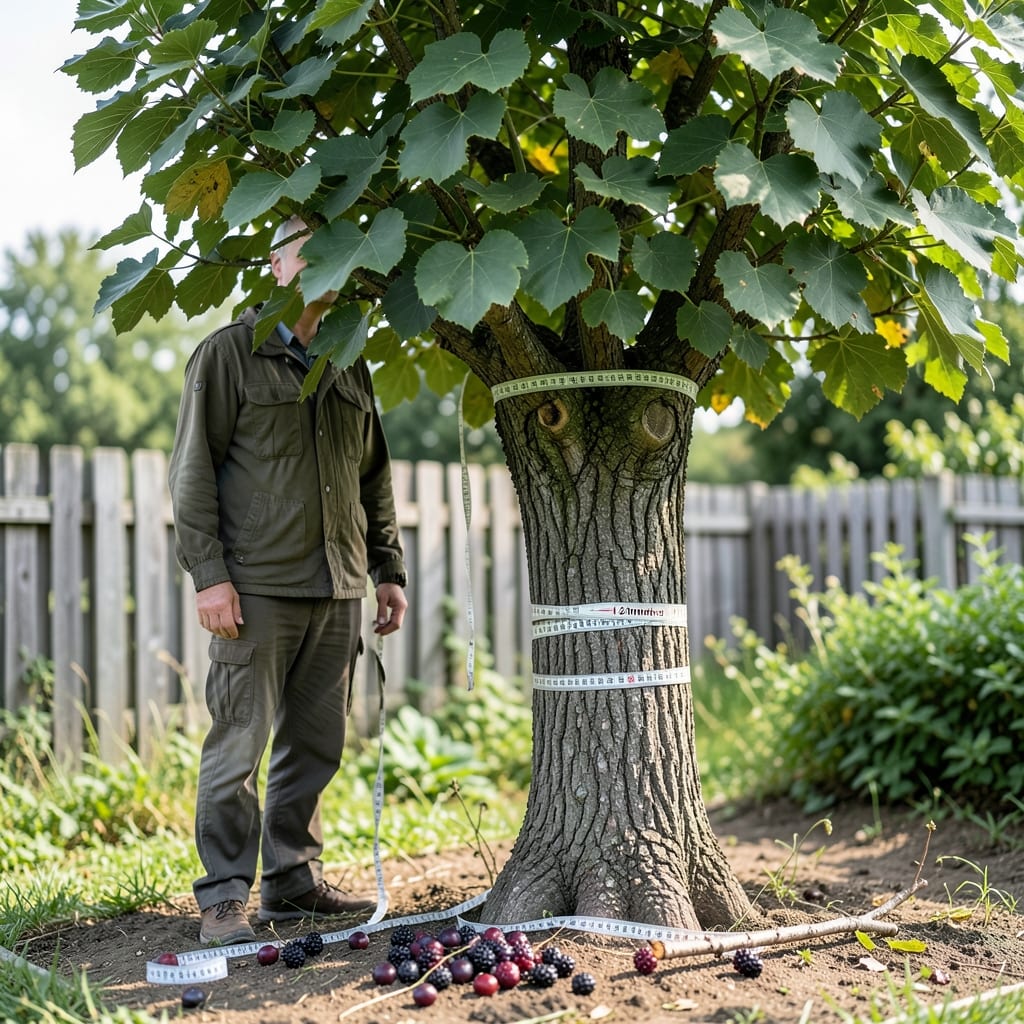
If you’ve ever wondered how tall can mulberry trees grow, the answer might surprise you—these fast-growing giants can reach heights of 50 feet or more within decades, turning your backyard into a lush, towering sanctuary.
Imagine a tree that grows 3-5 feet per year in ideal conditions, eventually shading your entire property while providing delicious fruit. But before you plant, it’s crucial to know which varieties fit your space—some stay compact at 10-15 feet, while others stretch toward the sky.
Whether you’re dreaming of a privacy screen or a stunning landscape centerpiece, understanding mulberry tree growth patterns helps you plan for the future. From soil quality to pruning techniques, small adjustments can make a big difference in keeping your 🌳 mulberry tree manageable—or letting it grow wild.
Let’s break down the fastest-growing varieties, how to control their height, and why some gardeners swear by dwarf mulberries for urban spaces. Ready to grow your own shade giant?


Mulberry tree height by variety: from 10 feet to 50+ feet in decades
Mulberry trees are nature's skyscrapers—some varieties can reach 50 feet or taller in ideal conditions, while others stay compact enough for small yards. The height you'll get depends entirely on the variety you choose and how you care for it. Let's break down the most common types and their mature sizes, so you can pick the perfect fit for your space.
First, you'll find dwarf mulberries like the Illinois Everbearing variety, which max out around 10-15 feet tall. These are perfect for urban gardens or patios where space is limited. On the opposite end, standard mulberry trees like the black mulberry (Morus nigra) can soar to 40-60 feet with proper growing conditions.
Here's the key: White mulberries (Morus alba) often grow the fastest and tallest, while red mulberries (Morus rubra) tend to stay slightly shorter but produce more vibrant fruit. Hybrid varieties can bridge the gap, offering moderate heights (20-30 feet) with disease resistance. Your choice here will determine whether you're planting a shade giant or a manageable backyard tree.
Before we dive into the specifics, remember that soil quality and sunlight play huge roles. A mulberry tree in rich, well-draining soil with full sun exposure will grow significantly taller than one struggling in poor soil or shade. Even the same variety can vary by 10-20 feet depending on these factors.
| Variety | Mature Height | Growth Rate (Annual) | Best For |
|---|---|---|---|
| Illinois Everbearing (Dwarf) | 10–15 ft | 1–2 ft/year | Urban gardens, containers |
| White Mulberry (Standard) | 30–50 ft | 3–5 ft/year | Large properties, shade trees |
| Black Mulberry | 40–60 ft | 2–4 ft/year | Privacy screens, rural areas |
| Red Mulberry | 20–35 ft | 1–3 ft/year | Medium yards, wildlife gardens |
| Hybrid (e.g., 'Chaparral') | 15–25 ft | 2–3 ft/year | Disease-resistant options |
🌳 Note: Heights vary by climate and care—pruning can reduce height by 30-50%.
If you're planting in an urban setting, dwarf varieties are your best bet. They fit neatly in small yards and even large containers, though they may need annual pruning to maintain shape. For rural properties or large estates, standard varieties like the black mulberry will give you that grand, old-world feel—but be prepared for regular cleanup of fallen fruit and leaves.
One surprising fact: Mulberries grow faster in warmer climates. In USDA Zones 7-9, they can add 5 feet per year in ideal conditions, while in cooler zones (like Zone 6), growth may slow to 1-2 feet annually. This means a 10-year-old tree in Florida could be 40 feet tall, while the same tree in Upstate New York might only reach 20 feet.
For gardeners with limited space, consider espalier training. This technique lets you grow mulberries along a fence or wall, keeping them under 10 feet tall while maximizing fruit production. It’s a great way to enjoy mulberries without sacrificing yard space for a towering tree.
Finally, remember that root systems expand rapidly. A 50-foot-tall mulberry can have roots spreading 30-50 feet wide, so plant it at least 20 feet away from buildings, septic systems, or other trees. This prevents root competition and structural damage over time.
Now that you know the height ranges, the next step is understanding how quickly these trees grow—and whether you can control their size. That’s where pruning and maintenance come into play, and we’ll cover those strategies in the next section.
How fast do mulberry trees grow to their maximum height?
If you're wondering how fast mulberry trees grow, the answer depends entirely on the variety and growing conditions. Some mulberries can add 3-5 feet per year in ideal settings, while others grow more slowly. Let’s break down the growth rates by type and what factors can speed up—or slow down—their ascent to towering heights.
The white mulberry (Morus alba) is the fastest grower, often reaching 3-5 feet annually in warm climates with plenty of sunlight. In contrast, red mulberries (Morus rubra) typically grow 1-3 feet per year, making them slightly more manageable for gardeners with limited space. Black mulberries fall somewhere in between, with growth rates of 2-4 feet per year.
Here’s the kicker: pruning and care can dramatically alter these rates. A mulberry tree left unpruned in rich soil with full sun can grow up to 10 feet in a single year during its prime. However, if you’re pruning regularly or dealing with poor soil, growth may slow to just 1-2 feet annually. This flexibility means you can tailor your mulberry’s growth to fit your space and goals.
- 🌱 Year 1: 3-5 ft (rapid early growth)
- 🌿 Year 3: 10-15 ft (established growth phase)
- 🌳 Year 5: 15-25 ft (accelerated growth in ideal conditions)
- ✂️ Year 10+: 30-60 ft (mature height, varies by variety)
Note: Growth slows after 10 years as the tree matures.
To maximize growth, focus on three key factors: sunlight, water, and soil. Mulberries thrive in full sun (6+ hours daily) and well-draining soil. In USDA Zones 7-9, they grow fastest, while cooler zones may see slower growth. Watering deeply once a week during dry spells encourages faster height gains, though mulberries are surprisingly drought-tolerant once established.
One surprising trick to speed up growth is mulching. A thick layer of organic mulch (like wood chips) keeps roots cool and retains moisture, which can boost annual growth by 1-2 feet. Just avoid piling mulch against the trunk to prevent rot. For gardeners in containers or small spaces, regular fertilization with a balanced 10-10-10 NPK mix can also give your mulberry a growth boost.
If you’re curious about your tree’s age, you can estimate it by height. A 10-foot mulberry is roughly 3-5 years old, while a 30-foot tree is likely 10+ years. However, this is a rough guideline—pruning history and growing conditions can skew these estimates. For example, a heavily pruned mulberry might stay shorter than expected, while an unpruned tree in ideal conditions could grow taller than average.
Understanding growth rates helps you plan for the future. Whether you’re aiming for a quick privacy screen or a long-term shade provider, knowing how fast your mulberry will grow lets you make informed decisions about pruning, spacing, and maintenance. Ready to take control of your tree’s height? The next section covers pruning tips to keep your mulberry at your desired size.