
Trees
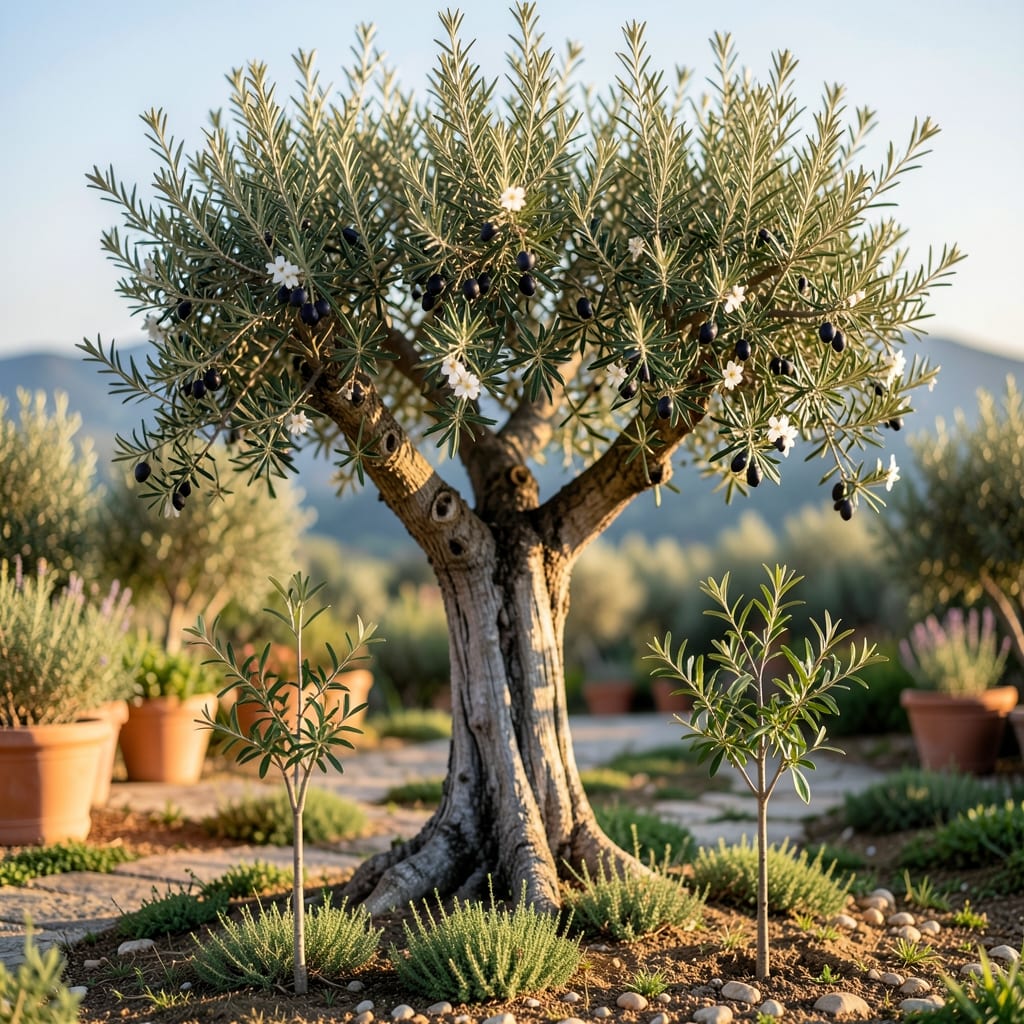
If you’ve ever wondered how tall an olive tree can grow, here’s the truth: its height depends entirely on its variety, care, and where you live.
Standard olive trees can reach 30 to 50 feet—taller than a three-story building—while dwarf varieties stay between 8 and 12 feet, making them perfect for containers or small gardens. The key to controlling its size lies in choosing the right type and pruning regularly.
Climate also plays a huge role. In Mediterranean zones 8-10, olive trees thrive and grow taller, but in cooler areas, they may stay smaller unless you provide extra care. Whether you’re planting in a pot or the ground, understanding these factors will help you shape your tree’s future height.
Ready to learn how to keep your olive tree at your ideal size? I’ll break down the best varieties for small spaces, pruning tips, and how climate affects growth—so you can enjoy fresh olives without the headache of a runaway tree.


Olive tree mature heights by variety: dwarf vs. standard vs. giant types
Olive trees (Olea europaea) can range from compact patio plants to towering Mediterranean giants, with mature heights spanning 3 to 50 feet. The variety you choose determines whether your tree stays small enough for containers or stretches toward the sky. For example, 'Arbequina' dwarfs at 8–12 feet, while 'Mission' varieties soar to 30–50 feet—that’s taller than a 3-story building! Understanding these differences helps you plan for space and care.
Most olive trees fall into three height categories: dwarf (under 12 feet), semi-dwarf (15–20 feet), and standard (30–50 feet). Dwarf varieties are ideal for containers or small gardens, while standard types thrive in rural landscapes or Mediterranean climates. Even within categories, growth varies based on pruning and climate—so let’s break down the specifics to help you pick the perfect fit for your space.
🌱 Did You Know? Some olive trees, like 'Frantoio', can live for centuries while growing slowly—meaning their height increases gradually over decades. This makes pruning and patience key to managing their size.
If you’re growing olives for fruit or oil, varieties like 'Frantoio' or 'Leccino' are excellent choices, but they’ll need space to reach their full height. For containers or small spaces, 'Arbequina' is a top pick—its compact size makes it perfect for patios or balconies, even in Zone 7 climates where frost is a concern.
Pruning plays a huge role in managing height. For example, if you start with a 10-foot 'Arbequina' but prune it aggressively every year, you can keep it under 6 feet indefinitely. Conversely, neglecting pruning on a 'Manzanillo' can turn a manageable tree into an unruly giant. Always prune in late winter to encourage healthy growth and maintain your desired shape.
Another factor to consider is rootstock. Some nurseries graft olive varieties onto dwarfing rootstock, which can reduce mature height by 30–50%. Ask your local nursery about rootstock options if you’re aiming for a smaller tree—this is a game-changer for container gardening!
💡 Pro Tip: If you love the look of olive trees but lack space, consider espalier training. This technique flattens the tree against a wall or fence, keeping it narrow while allowing it to grow tall vertically—ideal for urban gardens.
For home gardeners in USDA Zones 8–11, standard varieties like 'Mission' or 'Manzanillo' will thrive and reach their full height potential. However, if you’re in cooler zones (like Zone 7), stick to cold-hardy dwarfs like 'Arbequina' to avoid winter damage. Always check the specific variety’s hardiness before planting.
How climate zones affect olive tree growth height: USDA zones explained
Your olive tree’s height isn’t just about its variety—climate zones play a massive role in how tall it grows. Olive trees thrive in USDA Zones 8–11, where warm winters and hot summers fuel their growth. Outside these zones, growth slows or stops entirely, keeping trees shorter or stunted.
In Zone 10 and 11 (like California or Florida), olive trees reach their full potential height of 30–50 feet for standard varieties. The warm, frost-free winters and long growing seasons let them grow aggressively. Meanwhile, in Zone 8 (e.g., parts of Texas or coastal Oregon), trees grow slower but can still reach 20–30 feet with proper care.
If you’re in Zone 7 or colder, expect dwarf varieties like Arbequina to max out at 8–12 feet, while standard types may struggle to exceed 15 feet. Cold snaps can damage branches, limiting height over time.
Humidity also matters—dry climates (like the Mediterranean) encourage taller growth, while high humidity (e.g., Southeast U.S.) can lead to fungal issues that stunt trees. Always choose a well-draining site to prevent root rot, which slows growth.
| USDA Zone | Ideal Varieties | Max Height (ft) | Growth Notes |
|---|---|---|---|
| 8 | Arbequina, Frantoio | 8–12 ft | Slow growth; prune to protect from light frost |
| 9 | Mission, Manzanillo | 15–25 ft | Moderate growth; needs winter protection |
| 10–11 | All varieties | 30–50 ft | Fast growth; minimal frost risk |
To maximize height in cooler zones, plant against a south-facing wall for extra warmth. Mulch heavily in winter to insulate roots, and avoid overwatering—wet soil in cold climates can suffocate roots and limit growth. With the right conditions, even a Zone 8 olive tree can surprise you with 10+ feet of height!
If you’re in a marginal zone, consider container growing—pots let you move trees indoors during frost. Just remember: root-bound trees grow slower, so upgrade pots every few years to encourage height. 🌳