
How To
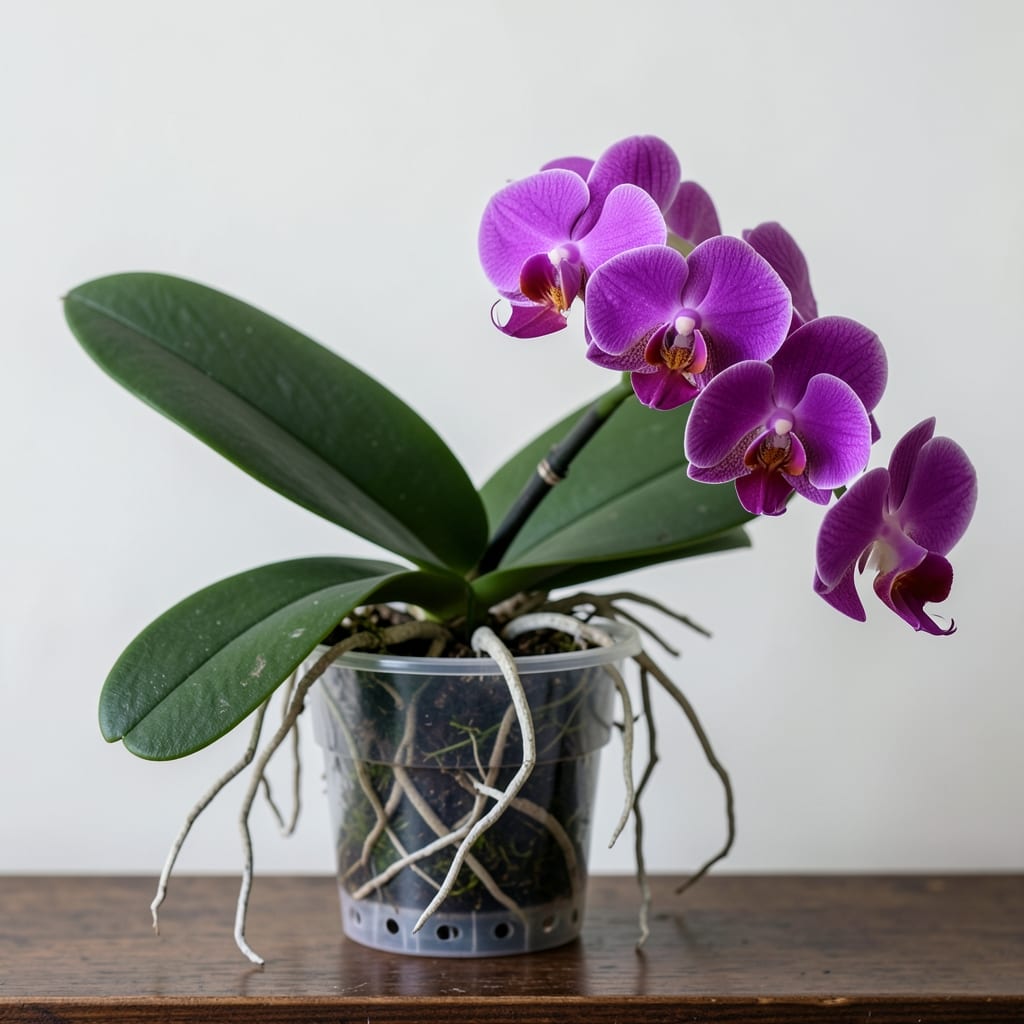
If you’ve ever marveled at the stunning 🌸 orchids in a greenhouse or garden center and wondered, "How tall can orchids grow?"—the answer might surprise you. These elegant plants aren’t just about their flowers; some varieties stretch toward the ceiling, while others stay compact enough for a windowsill. The height difference isn’t random—it’s all about the species, care, and a little patience.
From the delicate Phalaenopsis, which often tops out at 2-3 feet, to the towering Cattleya reaching 4-6 feet or more, orchids defy expectations. Whether you’re dreaming of a jungle-like display or just want a low-maintenance houseplant, understanding your orchid’s potential height helps you plan its home—whether that’s a hanging basket or a sturdy floor stand. Let’s explore the varieties that will make your space feel like a tropical paradise.
The key to encouraging your orchid’s full height lies in a few simple adjustments: light exposure, pot size, and even how you prune. Some orchids, like the Dendrobium, grow vertically on their own, while others need a little help climbing. With the right conditions, you could end up with a 6-foot beauty—if that’s what your space (and your green thumb) allows. Ready to find out which orchids will reach for the sky?
In this guide, we’ll break down the height ranges by variety, share tips to nurture your orchid’s growth, and even highlight the tallest species out there. Whether you’re a beginner or a seasoned grower, you’ll leave knowing exactly how to help your orchid thrive—no matter how tall your ambitions (or your ceiling) are.

Orchid height ranges by variety: from miniature to massive
Orchids aren’t one-size-fits-all—some stay small enough for your coffee table, while others become vertical statements in your garden. The height of an orchid depends entirely on its species and variety. Let’s explore the spectrum, from miniature marvels to towering giants, so you can choose the perfect fit for your space.
If you’re dreaming of a compact orchid that fits on a shelf, varieties like Jewel orchids (Ludisia discolor) or miniature Phalaenopsis top out around 6-12 inches. These are ideal for apartment dwellers or small-space gardeners who want orchid beauty without sacrificing floor space.
For a medium-height orchid (1-3 feet), Cymbidium and Dendrobium are classic choices. These thrive in hanging baskets or on shelves, adding elegance without overwhelming your decor. Their erect growth habit makes them perfect for indoor displays or greenhouse corners.
Now, let’s talk about the big players. Orchids like Vanda or Cattleya can reach 3-6 feet or more, making them statement plants for greenhouses or outdoor gardens in warm climates. These varieties need space to stretch and often require support structures like bamboo stakes or trellises.
Here’s a quick visual guide to help you visualize the differences:
| Height Category | Varieties | Mature Height | Best For |
|---|---|---|---|
| Miniature | Jewel Orchid, Mini Phalaenopsis | 6–12 inches | Tables, shelves, windowsills |
| Small | Paphiopedilum, Brassavola | 1–2 feet | Desks, hanging baskets |
| Medium | Cymbidium, Dendrobium | 2–3 feet | Indoor displays, greenhouses |
| Tall | Cattleya, Oncidium | 3–5 feet | Greenhouses, outdoor gardens |
| Giant | Vanda, Phragmipedium | 5–6+ feet | Large spaces, trellises |
🌱 Pro Tip: Always check the specific variety—some Cattleya hybrids can exceed 6 feet!
Choosing the right orchid height isn’t just about aesthetics—it’s also about care requirements. Smaller orchids, like Jewel orchids, prefer humid, shaded conditions and thrive in smaller pots. Meanwhile, tall orchids like Vanda need bright, indirect light and larger containers to support their aerial roots.
If you’re new to orchids, I recommend starting with a medium-height variety like Phalaenopsis or Cymbidium. They’re forgiving for beginners and offer a balanced challenge for growth and blooming. Plus, their height range (1-3 feet) fits seamlessly into most homes.
For advanced growers, experimenting with tall orchids like Cattleya or Vanda can be incredibly rewarding. These varieties often produce larger, showier blooms and add a dramatic vertical element to your garden. Just be prepared for their space needs and specialized care.
Remember, orchid height isn’t set in stone—it’s influenced by light exposure, pot size, and pruning habits. With the right care adjustments, you can even encourage a compact orchid to grow taller or trim a giant to stay manageable. We’ll dive deeper into these growth factors in the next section!
Factors that influence orchid height: what you can control
Orchid height isn’t just about genetics—your care routine plays a huge role in whether your plant stays compact or stretches toward the ceiling. From light exposure to pot size, small adjustments can dramatically affect how tall your orchid grows over time. Let’s break down the key factors you can control to shape your orchid’s height.
First, light levels are the biggest game-changer. Orchids crave bright, indirect light—think dappled sunlight through a sheer curtain. Too little light? Your orchid will stretch dramatically (a condition called etiolation) as it reaches for more light. Too much direct sun? It may stay stunted or scorch. The sweet spot is 12-14 hours of filtered light daily, which keeps growth balanced and compact.
Next, pot size matters more than you’d think. Orchids thrive in snug pots—roots need room to grip the medium, not sprawl. If your orchid is cramped, it’ll focus energy on vertical growth to escape the confines. Upgrade pots only when roots outgrow the current container (usually every 2-3 years). A pot that’s 1-2 inches larger in diameter than the root ball is ideal for most varieties.
🌱 Pros & Cons of Care Factors for Orchid Height
Pros: Compact growth, vibrant blooms
Cons: Too little causes stretching
Pros: Encourages bushier growth
Cons: Too small stresses roots
Pros: Redirects energy upward
Cons: Over-pruning weakens plant
Pros: None for height
Cons: Stunts growth, burns leaves
Pros: None for height
Cons: Encourages leggy growth
Pros: None for height
Cons: Leads to unruly, floppy stems
Don’t overlook pruning—it’s a secret weapon for controlling height. After blooms fade, trim spent stems 1-2 inches above a node (the bump where leaves grow). This encourages the orchid to redirect energy upward, often resulting in a taller, fuller plant. For varieties like Phalaenopsis, pruning also prevents leggy stems from becoming a tangled mess.
Finally, fertilizer type and timing can influence height. Overfeeding with high-nitrogen fertilizers promotes leafy growth at the expense of height, while a balanced 10-10-10 formula (diluted to half-strength) supports steady, controlled growth. Always fertilize in the morning during active growth periods (spring and summer) to avoid root burn, which can stunt development.
With these factors in check, you’ll see your orchid grow stronger, not just taller—whether you’re aiming for a miniature tabletop specimen or a floor-filling jungle giant. Small tweaks in care can mean the difference between a wildly leggy plant and a proud, proportionate beauty.