
Flowers
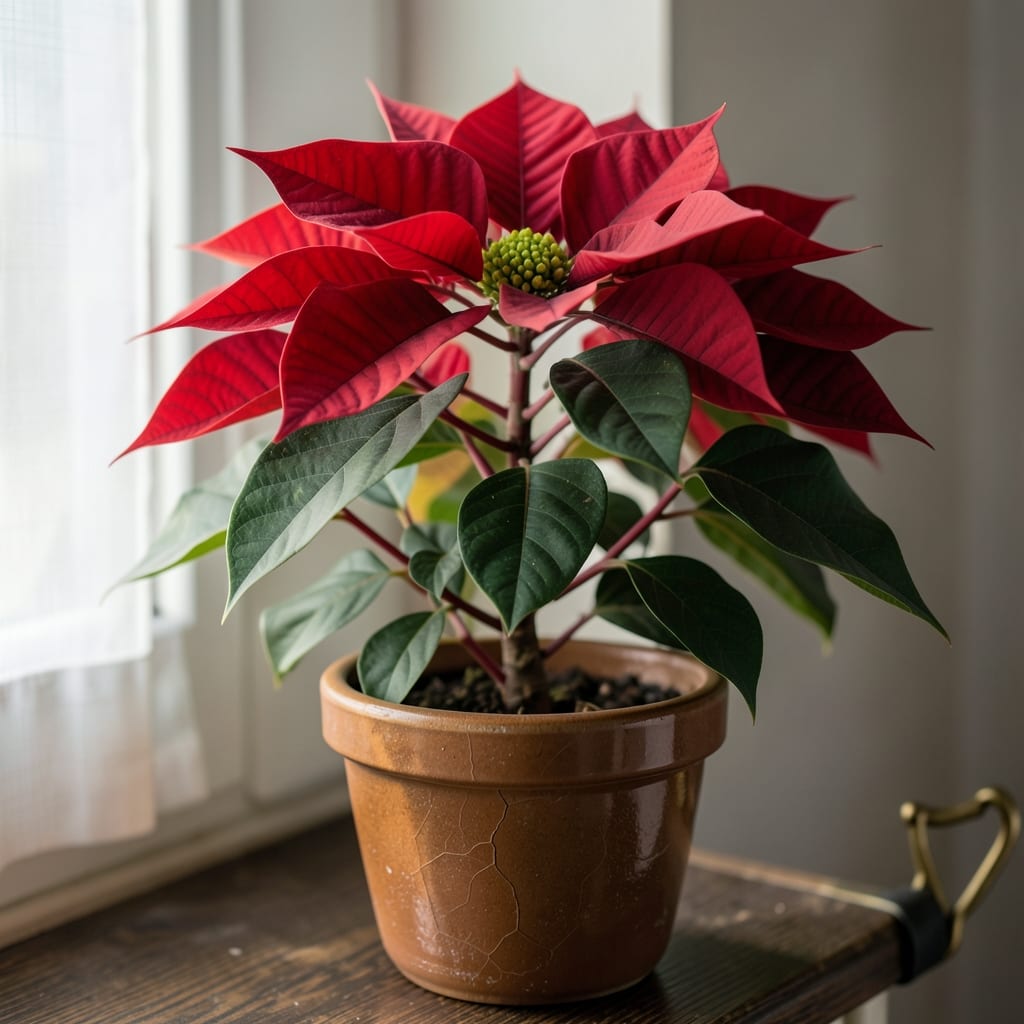
Wondering how tall can poinsettias grow and why yours seems to stretch like a sleepy cat in the sun? The answer isn’t just about the variety—it’s also about the light they soak up (or don’t). Some 🌺 poinsettias stay compact at just 1-2 feet, while others reach towering heights of 4+ feet when given the right conditions. Let’s break down the science behind their growth and how you can keep yours at your ideal height.
If you’ve ever brought home a poinsettia expecting a neat, bushy holiday centerpiece, only to watch it stretch into a lanky mess, you’re not alone. The key lies in understanding how light—or the lack of it—affects their growth. Too little light, and they’ll grow leggy; too much direct sun, and they might scorch. But with the right care, you can guide your poinsettia to reach its full, healthy potential—whether that’s a 2-foot dwarf or a 4-foot giant.
Beyond light, factors like pruning, pot size, and even the variety you choose play a huge role. Some poinsettias are bred to stay small, while others are built for height. We’ll dive into the specifics of what influences their growth and how you can adjust your care routine to keep your poinsettia looking its best—no matter how tall (or short) you want it to be.
Ready to transform your poinsettia from a stretched-out disappointment into a showstopper? Stick around, and I’ll share the secrets to controlling its height, from picking the right variety to mastering light exposure and pruning techniques. Your perfect poinsettia is just a few adjustments away!


Poinsettia height ranges by variety: from compact to towering
Poinsettias come in a stunning array of heights, from tiny tabletop varieties to towering holiday centerpieces. The mature height of your poinsettia depends entirely on its cultivar and growing conditions. Dwarf varieties like 'Mini Jingle Bells' stay under 18 inches, while giant types like 'Giant Poinsettia' can reach 5 feet or taller when grown outdoors.
Most indoor poinsettias sold for holidays fall between 2 and 4 feet at maturity, making them perfect for living rooms or countertops. However, outdoor-grown poinsettias in warm climates can become shrub-like, growing 6 to 10 feet tall with proper care. Understanding these ranges helps you choose the right variety for your space.
🌺
The 'Premium Red' is the most common variety you'll find in stores, typically reaching 2 to 3 feet indoors. If you're growing poinsettias outdoors in USDA zones 9–11, expect them to grow 3 to 5 feet taller than their indoor counterparts due to more sunlight and space. For example, a 'Giant Poinsettia' planted in your garden could become a 6-foot shrub over time.
If you're working with limited space, dwarf varieties like 'Mini Jingle Bells' are ideal for tables or shelves. These stay under 18 inches and thrive in 6-inch pots. Meanwhile, larger varieties need 10–12 inch pots to accommodate their root systems and prevent root-bound stress, which can stunt growth.
Outdoor poinsettias often develop into multi-stemmed shrubs when left unpruned, while indoor plants tend to grow as single-stemmed specimens. This difference is why outdoor varieties can reach 10 feet in height, while indoor plants rarely exceed 4 feet unless given exceptional care.
🌿
Choosing the right variety isn't just about height—it's also about color and care needs. For instance, 'Ice Punch' grows to 20–28 inches but requires more light than traditional red varieties to maintain its creamy-white bracts. Always check the cultivar description when selecting plants to ensure they fit your space and light conditions.
For gardeners in cooler climates, outdoor poinsettias are typically grown as annuals since they won't survive freezing temperatures. However, if you live in a warm-winter zone, you can treat them as perennials and watch them grow year after year, reaching their full shrub-like potential.
🪴
How light exposure directly controls poinsettia height growth
Light isn’t just about keeping your poinsettia alive—it’s the secret weapon for controlling its height. When poinsettias don’t get enough bright indirect light, they stretch toward any available source, a process called etiolation. This causes long, leggy stems and weak growth, making them look more like a tall weed than a lush holiday plant.
The ideal light exposure for poinsettias is 6-8 hours of bright indirect sunlight daily. Without this, their natural growth hormones kick in, elongating stems to reach for light. Think of it like a sun-starved plant doing everything it can to survive—even if it means sacrificing compact, bushy growth.
Here’s the science: Poinsettias are short-day plants, meaning they need 12-14 hours of darkness daily to trigger blooming. But if they’re also light-deprived during the day, their stems will stretch dramatically. This is why indoor poinsettias often end up taller than expected—they’re compensating for poor lighting.
⚠️ Warning: Stretched Stems Are a Light Crisis
If your poinsettia’s stems are longer than 12 inches and thin, it’s a clear sign of etiolation. These plants won’t recover their compact shape—you’ll need to prune aggressively or start fresh next season. Prevent it by moving your plant to a south-facing window or using a grow light for 12 hours daily.
To keep your poinsettia’s height in check, place it within 3-5 feet of an east or west-facing window. If you’re growing it indoors year-round, a grow light can mimic natural sunlight and prevent stretching. Just avoid placing it in direct midday sun, which can scorch the vibrant bracts (the colorful leaves we love).
Pro tip: Rotate your poinsettia quarter-turns every few days so all sides get even light. This encourages balanced growth and prevents the plant from leaning or growing unevenly. A well-lit poinsettia will stay bushy, compact, and healthy, with stems that hold up their glorious bracts instead of flopping over.
If you’ve already ended up with a tall, leggy poinsettia, don’t panic. You can still prune it back to encourage bushier growth next season. Just remember: light control is key to keeping your poinsettia at the height you want—whether that’s dwarf-sized for tables or tall enough to be a statement piece.