
Trees
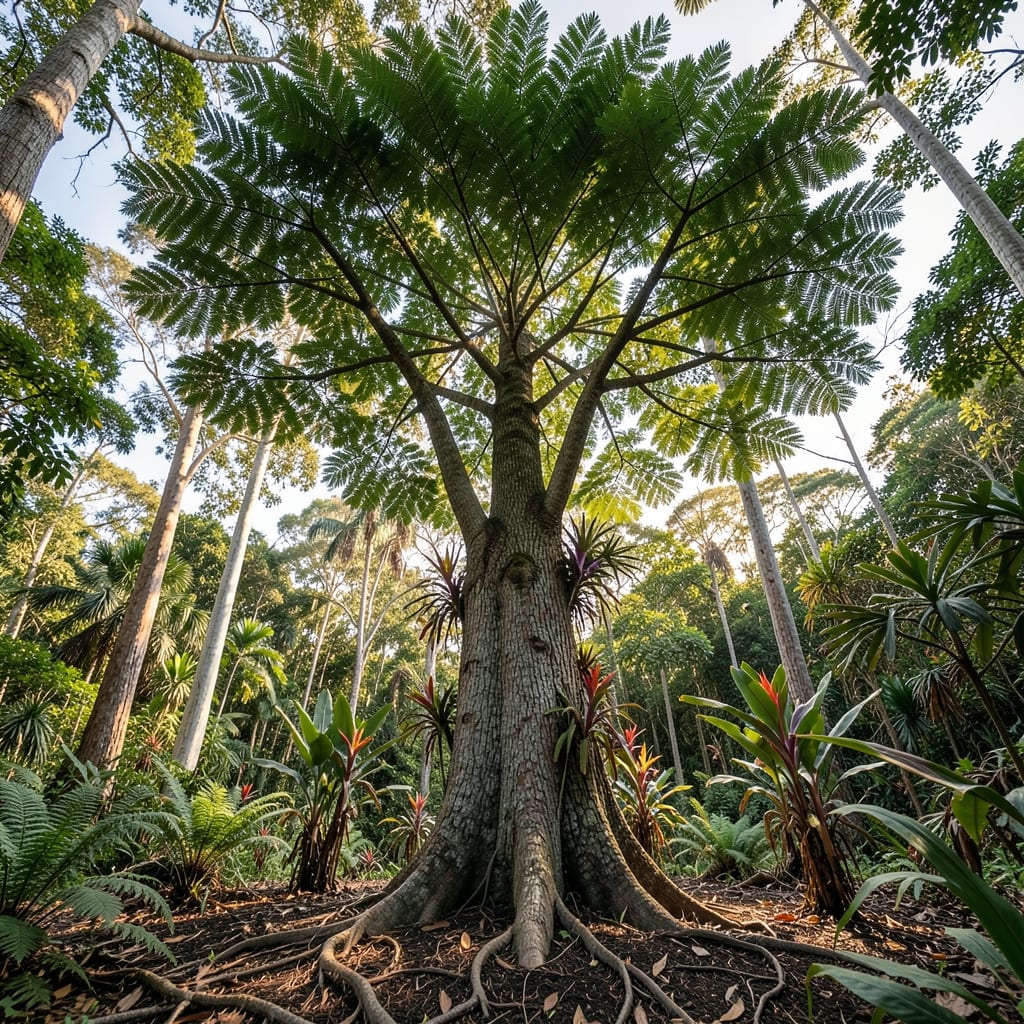
If you’ve ever gazed up at the emerald canopy of a tropical rainforest and wondered just how tall those towering 🌳 rainforest trees can grow, the answer might surprise you. Some species stretch up to 330 feet—taller than a 30-story building—while others remain more manageable for home gardens. But what makes these giants reach such staggering heights, and could you ever grow one in your own backyard?
The key lies in their native habitats, where year-round warmth and abundant rainfall create perfect conditions for rapid growth. Trees like the kapok or shorea thrive in zones 10-12, where they dominate the canopy, outcompeting other plants for sunlight. Without these ideal conditions, however, even the hardiest species struggle to reach their full potential.
For gardeners dreaming of adding a rainforest giant to their landscape, the challenges are real—but not impossible. We’ll explore which species are feasible for home cultivation, the soil and water needs they demand, and how to recreate their natural environment as closely as possible. Spoiler: It takes more than just space and sunshine.
Whether you’re curious about the science behind their height or hoping to cultivate one yourself, this guide breaks down everything you need to know. Let’s dive into the world of these record-breaking trees and uncover the secrets to their astonishing growth.


World's tallest rainforest trees: species and their staggering heights
The rainforest’s canopy isn’t just a roof—it’s a vertical jungle where some trees grow so tall they pierce the sky. Among these giants, the kapok tree (Ceiba pentandra) holds the record, reaching up to 200 feet in its native Amazon basin. But it’s not alone—species like the emerald tree (Dyera costulata) and shorea (Shorea spp.) also push boundaries, with mature specimens towering over 130 feet.
These trees don’t just compete for height—they reshape ecosystems. Their towering forms create microclimates, support epiphytes and vines, and even influence rainfall patterns. In the Amazon and Southeast Asia, where humidity hovers near 90% year-round, these trees thrive, their roots spreading wide to anchor against storms while their trunks grow upward to escape competition.
Here’s the kicker: most of these giants won’t grow in home gardens. Their needs are extreme—think 100+ inches of rain annually and year-round warmth. But understanding their heights helps us appreciate their ecological superpowers and the challenges of replicating their conditions.
🌳
The Shorea species, often called meranti, are the tallest hardwoods on Earth, with some specimens exceeding 230 feet. Their height isn’t just for show—it’s a survival strategy. By dominating the canopy, they outcompete other plants for sunlight, a critical resource in dense forests. This vertical dominance also allows them to dispersal seeds more effectively via wind, ensuring their genetic legacy.
For gardeners in USDA zones 10-12, even smaller rainforest trees like the tallow tree (50 feet) can be challenging. They demand rich, acidic soil and daily misting to mimic their humid homeland. Without these conditions, growth stalls, and height potential plummets. The lesson? These giants aren’t just tall—they’re demanding.
If you’re dreaming of a rainforest tree in your yard, start small. Species like the monkey puzzle (Araucaria araucana) or bamboo offer a taste of tropical drama without the extreme upkeep. But for the true giants? You’ll need to recreate a rainforest—or at least a slice of one.
🌿
Next, we’ll dive into the science behind their height: why these trees grow so fast, how their roots and leaves adapt, and the hidden factors that turn a sapling into a skyscraper. Spoiler: It’s not just about water.
What makes rainforest trees grow so tall? The science behind their height
Rainforest trees achieve their staggering heights thanks to a perfect storm of environmental conditions and evolutionary adaptations. In their native habitats, these trees face intense competition for sunlight, which drives them to grow upward at remarkable speeds. Some species can add 3-6 feet per year, a growth rate that dwarfs most temperate-zone trees.
The tropical climate plays a crucial role—consistent warmth and year-round rainfall create ideal conditions for rapid cell division in their cambium layer, the growth ring responsible for thickening stems. Unlike trees in seasonal climates, rainforest trees don’t enter dormancy, allowing them to grow continuously.
One of their most fascinating adaptations is their shallow but extensive root systems. These roots spread widely near the surface to absorb nutrients from the thin, nutrient-poor topsoil. Combined with fast wood production, this allows them to reach for sunlight before competing plants can outgrow them.
Another key factor is the lightweight structure of their wood. Many rainforest trees, like the kapok, have hollow or spongy trunks that reduce weight while maintaining strength. This adaptation allows them to support 300+ feet of height without collapsing under their own weight.
Finally, the lack of seasonal dieback in tropical climates means these trees can focus all their energy on vertical growth. In contrast, temperate trees often allocate resources to surviving winter, limiting their height potential. For gardeners, replicating these conditions is the biggest challenge—but understanding these factors is the first step to nurturing a rainforest giant.
Even in ideal conditions, however, not all rainforest trees will reach their maximum heights. Factors like soil quality, space availability, and pest pressure can all impact growth. The good news? With the right care, even smaller species can still become stunning focal points in your landscape.