
How To
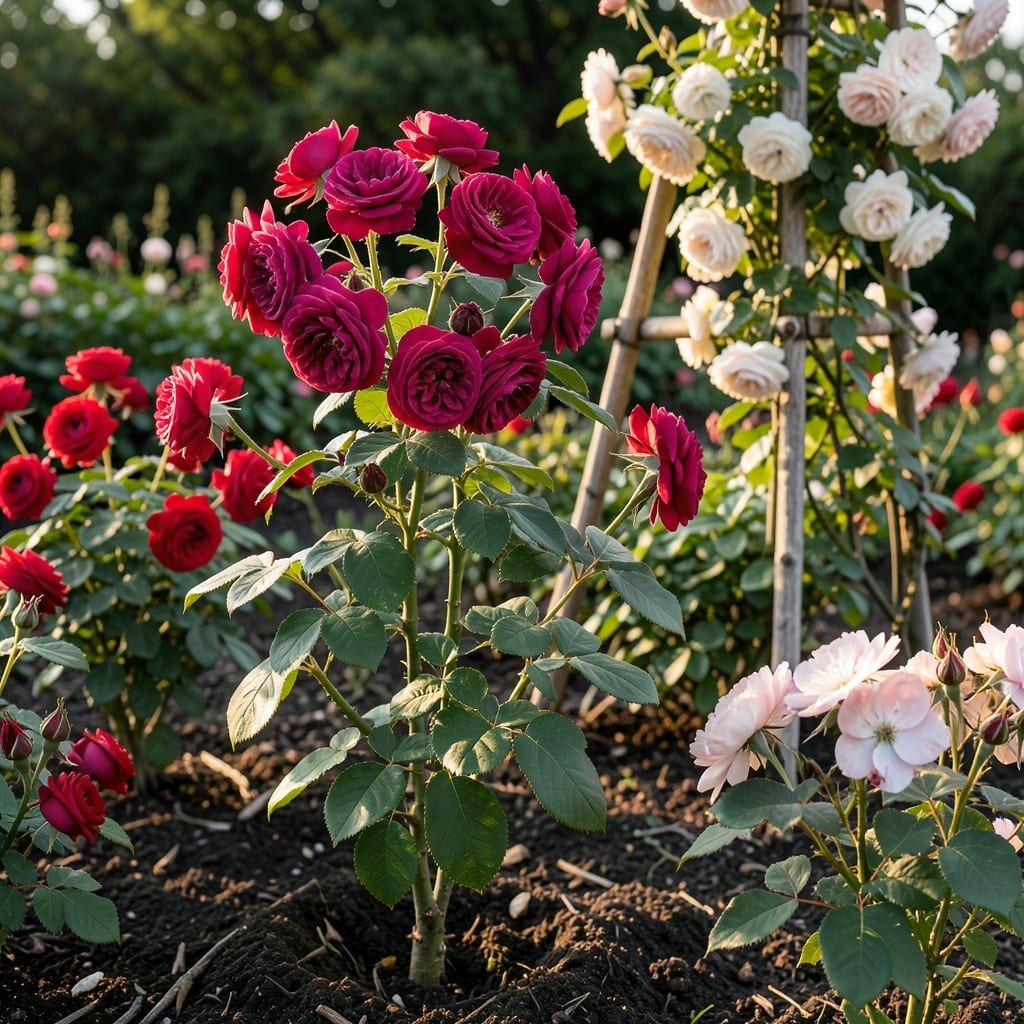
If you’ve ever stared at your 🌹 rose bushes and wondered how tall they can grow, the answer isn’t as simple as you’d think. Some varieties stretch toward 15 feet, while others barely top 2 feet—and the difference comes down to genetics, pruning, and a little bit of care strategy.
You might assume all roses grow tall, but that’s a common myth. In reality, rose bushes fall into distinct categories—climbers that scale trellises, shrub roses that stay compact, and hybrid teas that thrive at mid-height. Knowing which type you’re working with is the first step to managing their growth and keeping your garden looking exactly how you want.
What if I told you that pruning in the right way could make a 6-foot rose bush behave like a 3-foot one—or even turn a small shrub into a towering centerpiece? The techniques are simpler than you’d expect, and they’ll save you from dealing with unruly vines or disappointed expectations.
Let’s break down the exact heights for every major rose type, share the pruning secrets that control growth, and clear up the biggest misconceptions about how tall these beauties really can get. By the end, you’ll know exactly how to shape your roses—whether you want them to climb, sprawl, or stay perfectly contained.

Rose bush height guide: exact growth ranges by variety type
Understanding how tall rose bushes grow starts with their genetic variety. Roses aren’t one-size-fits-all—some varieties reach tree-like heights of 15 feet, while others stay compact at just 1-2 feet tall. The key difference lies in their growth habits, which are determined by their classification. Let’s break down the height ranges by the most common rose types you’ll find in gardens today.
Climbing roses are the tallest-growing varieties, often reaching 10-20 feet when trained on trellises or fences. These aren’t just "tall" roses—they’re designed to climb vertically, making them perfect for covering arbors or tall walls. Shrub roses, on the other hand, typically stay between 3-6 feet tall, with some dwarf varieties maxing out at 2 feet. Hybrid teas, a popular choice for cut flowers, usually grow 3-5 feet tall, while ground cover roses spread wide but stay low, rarely exceeding 2 feet in height.
Here’s a quick visual reference to help you visualize the height differences between rose varieties at maturity:
| Variety Type | Height Range (ft) | Examples | Growth Habit |
|---|---|---|---|
| Climbing Roses | 10-20+ ft | 'New Dawn', 'Blaze', 'Zephirine Drouhin' | Vertical, needs support |
| Shrub Roses | 3-6 ft | 'Knock Out', 'Dr. Huey', 'The Fairy' | Bushy, multi-stemmed |
| Hybrid Teas | 3-5 ft | 'Double Delight', 'Mister Lincoln' | Single-stemmed, upright |
| Dwarf Roses | 1-3 ft | 'Fairy Tale', 'Bonica' | Compact, low-maintenance |
| Ground Cover Roses | 1-2 ft | 'Flower Carpet', 'The Fairy' | Spreading, low-growing |
The tallest roses on record belong to the climbing variety, with some like 'Zephirine Drouhin' capable of reaching 30 feet or more when given proper support and care. These varieties are often used in landscape architecture to create stunning vertical gardens. In contrast, dwarf roses are bred specifically for small spaces, making them ideal for container gardening or urban patios where space is limited.
If you’re planning your garden layout, consider the mature height of each rose variety. A 6-foot shrub rose planted near a 15-foot climbing rose will create a dramatic height contrast, while a 2-foot ground cover rose can add texture to a rock garden or border. Always check the plant tag or variety description for exact height expectations, as even within categories like shrub roses, heights can vary by 1-2 feet.
Another factor influencing height is the age of the rose bush. In their first year, most roses grow slowly, often reaching only 1-2 feet tall. By year two, they’ll typically double in height, and by year three, they’ll approach their mature size. This gradual growth allows you to plan ahead and adjust your garden design as your roses mature. For example, if you plant a climbing rose near your porch, you’ll want to install a trellis early to support its eventual height.
Pruning plays a critical role in managing height, but it’s important to note that pruning alone won’t make a dwarf rose grow tall or a climbing rose stay short. Genetics set the maximum height potential, while pruning helps you shape and control that growth. For instance, if you heavily prune a climbing rose, you can keep it at 6 feet instead of letting it reach 15 feet, but it will still grow taller over time if not maintained.
For container gardening, choose dwarf or mini rose varieties to avoid overcrowding. These roses thrive in 5-gallon pots and can be placed on patios, balconies, or even windowsills. Just ensure your container has drainage holes and use a well-draining potting mix to prevent root rot. Even small roses need room to grow, so avoid planting them in containers that are too shallow—aim for at least 12 inches deep.
If you’re unsure which rose variety to choose, consider your garden’s scale and your pruning comfort level. Tall roses require more maintenance and support, while low-growing varieties are perfect for low-maintenance landscapes. No matter which you choose, understanding their height potential will help you create a balanced and beautiful garden.
How pruning controls rose bush height: step-by-step techniques
Pruning is the single most effective way to control how tall your rose bushes grow. Timing and technique determine whether your roses stay compact or shoot up like small trees.
When you prune at the right time, you encourage bushier growth with more blooms. Cutting too late or too early can actually make roses grow taller and leggier. For most varieties, the best time to prune is late winter or early spring, just before new growth begins.
Use sharp, clean pruners to make cuts at a 45-degree angle about ¼ inch above an outward-facing bud. This angle helps water run off and prevents rot. Always cut just above a bud to direct growth where you want it.
🌱 Step-by-Step Pruning Guide for Height Control
- Step 1: Remove dead or diseased wood first to improve airflow.
- Step 2: Cut back last year's blooms to encourage new growth.
- Step 3: Trim overly long canes to control height and shape.
- Step 4: Thin out crowded stems to reduce competition.
- Step 5: Lightly shape remaining stems for balance.
For taller varieties like climbers, prune just enough to remove dead wood and shape the plant. Avoid heavy pruning unless you want to reset their height completely. Shrub roses and hybrid teas respond well to more aggressive pruning, staying between 3 to 5 feet with regular maintenance.
After pruning, apply a balanced fertilizer (like 10-10-10) to support new growth. Water deeply to help the plant recover and establish fresh shoots. Avoid heavy feeding immediately after pruning, as this can encourage weak, leggy growth.
In summer, do light pruning to remove spent blooms and maintain shape. This keeps roses bushy and encourages continuous flowering. Never prune more than 1/3 of the plant at once, or you risk stunting growth or reducing blooms.