
Flowers
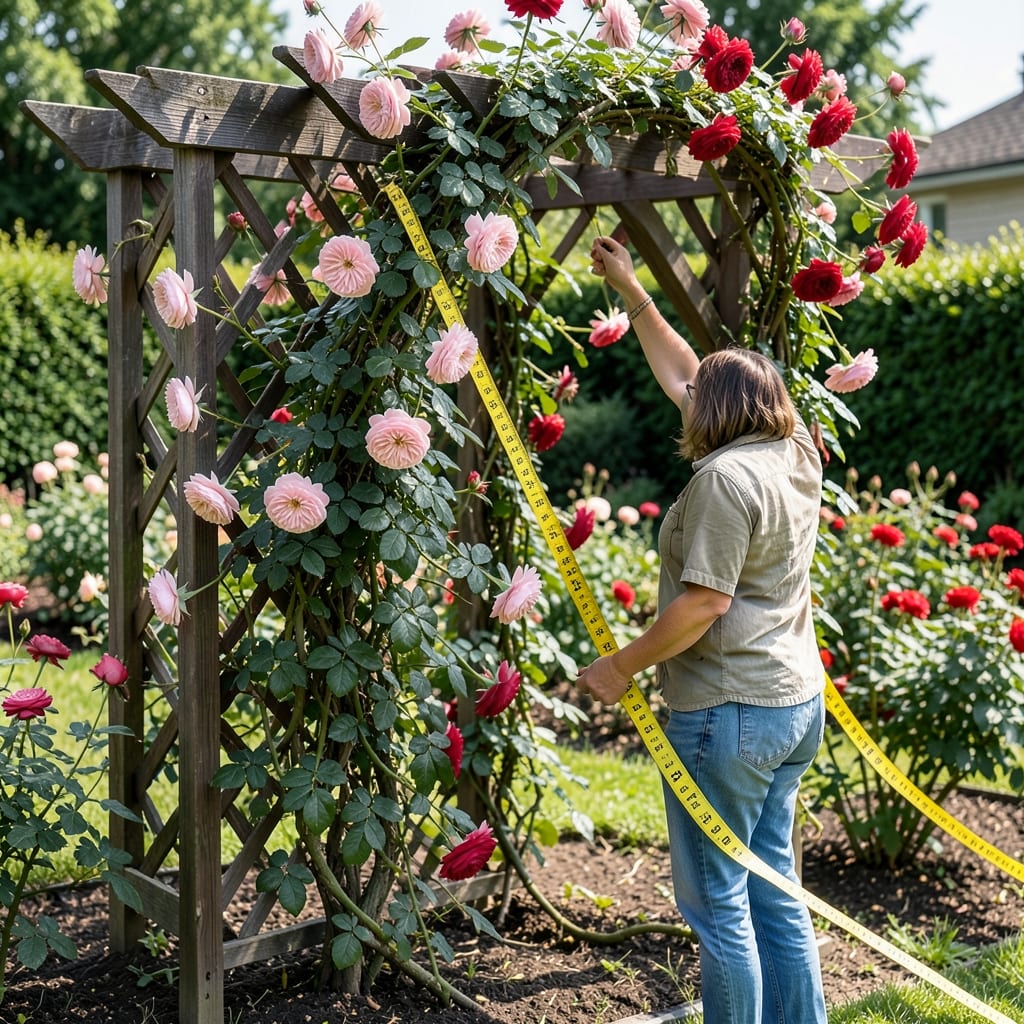
If you’ve ever wondered how tall can roses grow, the answer might surprise you—some varieties stretch taller than a two-story house while others stay compact enough for a windowsill! The right choice depends on your space, goals, and a little know-how about rose genetics and care.
Picture this: a 15-foot climbing rose draping elegantly over your patio or a 3-foot shrub rose framing your front door. The difference isn’t just luck—it’s about selecting the perfect variety for your garden’s size and style. Whether you’re working with a cozy balcony or a sprawling backyard, understanding these height ranges will help you design a rose garden that’s both stunning and manageable.
But here’s the catch: even the shortest roses can grow taller if left unchecked, and the tallest can be tamed with the right techniques. I’ll break down the key factors—like pruning, soil, and sunlight—that influence rose height, so you can keep your plants at your ideal size without sacrificing beauty or health.
Ready to transform your outdoor space? Let’s dive into the world of roses and discover which varieties will thrive in your garden—no matter how big (or small) your dreams are.


Rose growth heights by type: climbing vs. bush vs. shrub varieties explained
The first thing you’ll notice when researching how tall can roses grow is the wild variation—from tiny patio varieties to towering climbers that reach 20 feet or more. The key difference lies in their genetic classification and how they’re trained. Let’s break down the main categories so you can pick the perfect rose for your space.
Climbing roses, like the legendary 'New Dawn', are bred to grow 10-20+ feet tall when supported by trellises or arbors. These aren’t just tall—they’re designed to scale vertical structures, making them ideal for fences, pergolas, or even old trees. Meanwhile, bush roses (like 'Knock Out' roses) typically stay between 3-6 feet, perfect for hedges or foundation plantings.
Then there are shrub roses, which blend traits of both—often 4-8 feet tall—and miniature roses that cap out at 1-3 feet. The height isn’t just about the variety, though. Pruning, sunlight, and soil quality can push a rose 2-3 feet taller or keep it half its expected size. I’ll show you how to control that in the next section.
Here’s a quick snapshot of what to expect from each type, so you can visualize your garden’s potential before you plant:
| Rose Type | Mature Height | Best For | Examples |
|---|---|---|---|
| Climbing Roses | 10–20+ ft | Arbors, fences, vertical gardens | 'Blaze', 'Zephirine Drouhin' |
| Bush Roses | 3–6 ft | Hedges, borders, small gardens | 'Double Delight', 'Julia Child' |
| Shrub Roses | 4–8 ft | Mixed borders, privacy screens | 'The Fairy', 'Gertrude Jekyll' |
| Miniature Roses | 1–3 ft | Containers, windowsills, fairy gardens | 'Fairy Tale', 'Tom Thumb' |
| Standard Roses | 5–10 ft | Focal points, entryways | 'Queen Elizabeth', 'Charles de Gaulle' |
🌹 Note: Heights are for untrained roses. Pruning and support structures can double or halve these ranges.
If you’re working with limited space, miniature roses or dwarf varieties are your best bet—they’ll fit neatly in containers or along walkways without overwhelming your garden. But don’t dismiss taller roses just yet! With the right training techniques, even a 20-foot climber can be coaxed into a 6-foot hedge if that’s what your space allows.
One of my favorite space-saving hacks is using climbing roses on a small trellis—they’ll grow vertically instead of sprawling, saving floor space while still giving you that dramatic height. For example, the 'Climbing Iceberg' can reach 12 feet but stays compact enough for a 6-foot fence if pruned regularly.
Now, here’s a pro tip: Soil quality plays a huge role in height. Roses planted in nutrient-rich, well-draining soil will grow 20-30% taller than those in poor soil. If your garden has clay or sandy soil, amend it with compost or aged manure to give your roses the boost they need to reach their full potential.
Sunlight is another game-changer. Roses need 6+ hours of direct sun daily to thrive. If you’re growing a tall climber in partial shade, it might stay shorter and produce fewer blooms. On the flip side, overly hot climates can stress roses, causing them to grow leggy and weak instead of sturdy.
Finally, don’t overlook the age of the plant. A 1-year-old rose might only be 1-2 feet tall, while a 3-year-old could be 5-6 feet. Patience is key—give your roses time to establish before expecting them to hit their mature height. With the right care, you’ll have a rose garden that
Rose growth heights by type: climbing vs. bush vs. shrub varieties explained
Roses aren’t one-size-fits-all—some varieties reach 20 feet while others stay under 3 feet. The key difference lies in their genetic classification: climbers, shrubs, and bushes all grow at dramatically different rates. For example, the 'New Dawn' climber can soar to 15 feet, while the 'Fairy' miniature stays a dainty 1-2 feet tall. Understanding these categories helps you choose roses that fit your space perfectly.
Climbing roses are the tallest of the bunch, often needing support structures like trellises or fences to reach their full potential. Shrub roses typically hit 3-6 feet, making them ideal for hedges or borders. Meanwhile, bush roses can range from 3-10 feet, depending on the variety and pruning habits. Even within these groups, there are outliers—like the 'Blaze' shrub rose, which maxes out at just 2 feet.
| Variety Type | Mature Height | Growth Rate | Best For |
|---|---|---|---|
| Climbing Roses | 10–20+ ft | Fast (3–5 ft/year) | Trellises, fences, arbors |
| Shrub Roses | 3–6 ft | Moderate (1–2 ft/year) | Hedges, borders, containers |
| Bush Roses | 3–10 ft | Variable (1–3 ft/year) | Foundation plantings, mixed borders |
| Miniature Roses | 1–3 ft | Slow (6–12 in/year) | Containers, window boxes, fairy gardens |
Your rose’s mature height isn’t set in stone—pruning and training play huge roles. A climbing rose like 'Zephirine Drouhin' can be kept at 6 feet with regular pruning, while a bush rose like 'Knock Out' naturally stays compact at 3-4 feet. Even soil quality and sunlight exposure affect growth: roses in full sun with rich, well-draining soil often grow taller and bushier than those in shade or poor soil.
If you’re working with limited space, dwarf varieties like 'Tom Thumb' (1–2 ft) are perfect for containers or window boxes. For dramatic vertical displays, climbing roses like 'Rambling Rector' (15–20 ft) will turn your fence into a living tapestry. The key is matching the variety to your garden’s scale—whether that’s a balcony railing or a backyard trellis.
Don’t forget: roses grow slowly in their first year but can add 3–5 feet annually once established. Plan ahead by giving them room to spread—especially climbers, which need strong support to avoid flopping over. With the right variety and care, you’ll have roses that thrive at exactly the height you envision.
🌹