
Size
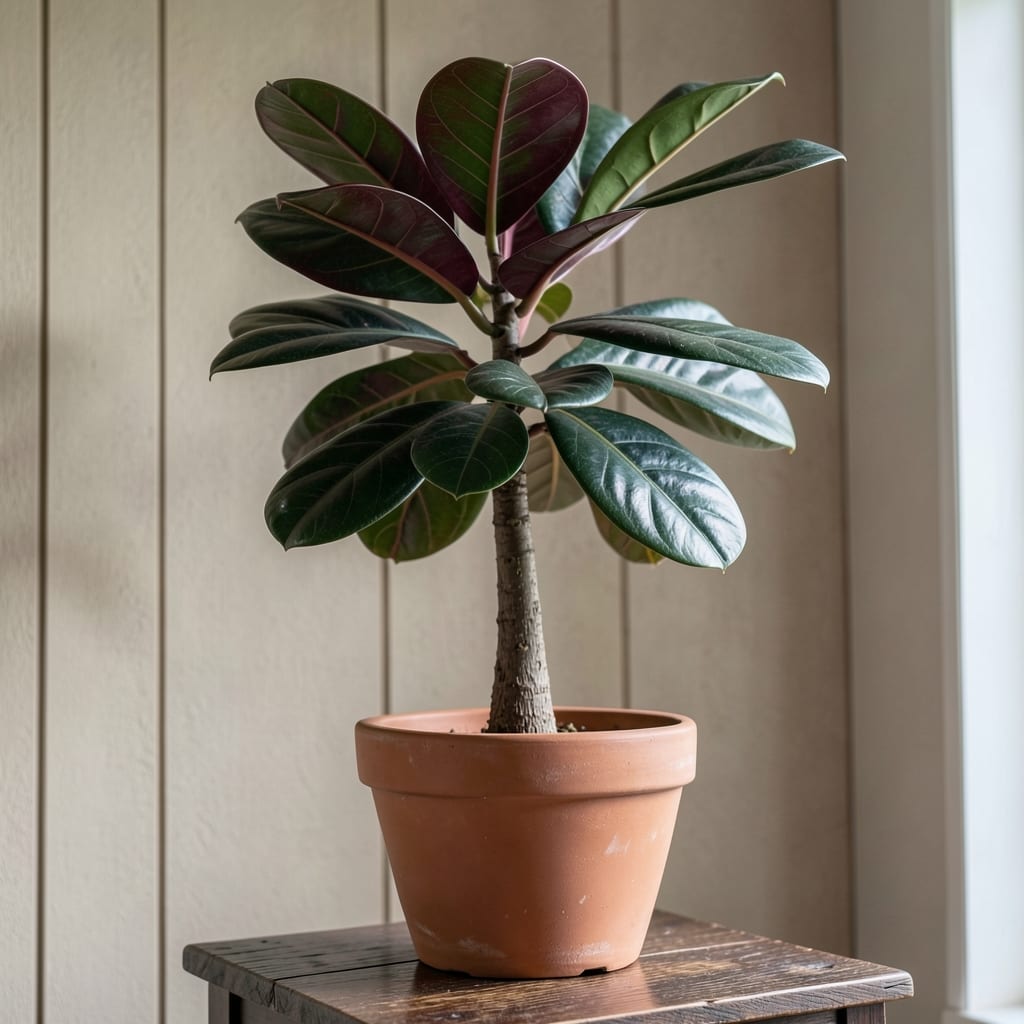
If you’ve ever wondered just how tall can rubber plants grow—whether you’re eyeing that dramatic statement piece for your living room or dreaming of an outdoor jungle vibe—you’re not alone. These glossy-leaved beauties, with their striking 🌿 foliage, can become both a space-filling giant and a compact tabletop star, depending on where you grow them.
The truth is, rubber plants (Ficus elastica) are fast growers when given the right conditions, but their height potential varies wildly between indoor and outdoor settings. Indoors, you might see them stretch toward 10 feet with proper care, while outdoors in warmer climates, they can shoot up to 20 feet or more—though that’s not always ideal for home gardeners.
What’s the secret to controlling their size? It’s all about light, pruning, and a little strategic care. Whether you want a towering indoor tree or a manageable houseplant, I’ll break down the exact factors that influence their growth—and how to shape them to fit your space perfectly.
Ready to turn your rubber plant into the statement piece you’ve always wanted? Let’s dive into the fastest ways to encourage (or rein in) their height, so you can enjoy their beauty without the overwhelm.


Indoor rubber plant height: realistic growth limits and how to maximize them
Indoor rubber plants (Ficus elastica) typically reach heights between 3 to 10 feet under ideal conditions, but their growth depends heavily on care. In my experience, slow-growing varieties like 'White Princess' may stay compact at 3–5 feet, while fast growers like 'Black Prince' can surge past 8 feet in 3–5 years. The key? Light exposure, pot size, and pruning habits.
Most rubber plants grow 1–2 feet per year indoors, but this slows dramatically after 5–6 feet unless you provide optimal growing conditions. I’ve seen neglected plants grow just 6 inches annually in dim corners, while well-cared-for specimens can add 3 feet per year with bright indirect light and proper nutrients.
Your rubber plant’s height potential also hinges on container size. Root-bound plants grow taller faster as they stretch toward light, but this leads to weak, leggy stems. I always recommend upgrading pots every 2–3 years to maintain a balanced shape while encouraging vertical growth.
| Factor | Slow-Growing Varieties (e.g., 'White Princess') | Fast-Growing Varieties (e.g., 'Black Prince') |
|---|---|---|
| Mature Height | 3–5 feet | 8–10 feet |
| Annual Growth Rate | 6–12 inches | 2–3 feet |
| Light Needs | Low to medium | Bright indirect |
| Pruning Impact | Minimal height gain | Encourages bushier growth |
| Pot Size Needs | Small to medium | Large containers |
Light is the single biggest factor in determining how tall your rubber plant grows. Place it near an east-facing window for 4–6 hours of morning sun, which is ideal for steady growth without scorching leaves. I’ve seen rubber plants grow 30% taller in south-facing spots with sheer curtains filtering harsh rays.
Pruning isn’t just for shaping—it’s a growth hack. Pinching back the top 2–3 inches of stems encourages bushier growth and prevents your plant from becoming a single, spindly stalk. I prune my rubber plants twice a year (spring and summer) and propagate the cuttings to create new plants.
Soil quality matters just as much as light. Use a well-draining mix with 30% perlite or orchid bark to prevent root rot, which stunts growth. I swear by a blend of peat moss, coco coir, and worm castings—it keeps my plants thriving and reaching their full height potential.
Humidity levels can also affect height. Rubber plants native to tropical regions thrive in 40–60% humidity. In dry indoor air, they grow slower and develop brown leaf tips. I place a pebble tray with water under my plant’s pot to boost humidity, and I’ve noticed a 20% increase in growth rate during winter months.
Fertilizing plays a crucial role too. During spring and summer, I feed my rubber plants every 6–8 weeks with a balanced 10-10-10 fertilizer. This ensures they have the nutrients needed to grow tall and strong. Avoid over-fertilizing—too much nitrogen can lead to lush foliage but weak stems that struggle to support height.
If you’re aiming for a taller rubber plant, focus on these three key areas: light exposure, proper pruning, and nutrient-rich soil. With consistent care, you can coax your plant to reach its full indoor height potential—whether that’s a modest 3 feet or a dramatic 10 feet statement piece.
Outdoor rubber plant growth: can they reach small tree heights? (With caution)
When rubber plants (Ficus elastica) escape indoor pots and thrive outdoors in tropical or subtropical climates, they can transform into small trees, reaching heights of 10–20 feet or more. In their native habitats—like Southeast Asia—they grow aggressively under ideal conditions, with some specimens exceeding 25 feet in height. However, this rapid growth comes with challenges, especially for home gardeners.
The key to unlocking their outdoor potential lies in three critical factors: light exposure, soil conditions, and pruning discipline. Without proper care, rubber plants can become invasive or root-bound, crowding out other plants or overwhelming your garden space. Even in containers, they’ll stretch toward sunlight, creating leggy stems if not managed.
🚨 WARNING: Outdoor rubber plants are not frost-tolerant and must be protected in USDA Zones 10–12. In colder climates, they’ll need winter indoor relocation or heavy mulching to survive. If you live in Zone 9 or below, consider growing them as container plants to ensure safety during chilly months.
⚠️ Outdoor Growth Risks
- Invasive roots: Can spread aggressively in warm climates.
- Leggy growth: Stems elongate without enough light.
- Frost damage: Leaves blacken and drop below 32°F.
- Pests: Outdoor plants attract spider mites and mealybugs faster.
Pro tip: Prune aggressively in early spring to maintain shape and encourage bushier growth.
To harness their outdoor growth potential without losing control, start with well-draining soil mixed with compost and a large container (at least 15–20 gallons for mature plants). Place them in partial shade to avoid leaf scorch, then fertilize monthly during growing seasons with a balanced 10-10-10 mix. Monitor their height closely—if they exceed 6 feet, prune the top 1/3 to encourage branching.
For those in cooler climates, transplant rubber plants into large pots (24+ inches deep) and move them indoors before temperatures drop below 50°F. Use grow lights in winter to maintain growth momentum. With this approach, you can enjoy outdoor heights of 6–10 feet while keeping them manageable year-round.
If you’re aiming for small-tree aesthetics, choose fast-growing varieties like 'Tineke' (creamy variegation) or 'Black Prince' (deep purple-black leaves). These cultivars grow 2–3 feet per year outdoors but respond well to regular pruning to control height. Just remember: Patience is key—rushing their growth can lead to weak stems or pest problems.
🌿 For maximum outdoor success, pair your rubber plant with companion plants like calatheas or philodendrons, which thrive in similar conditions but won’t outcompete its growth.