
Flowers
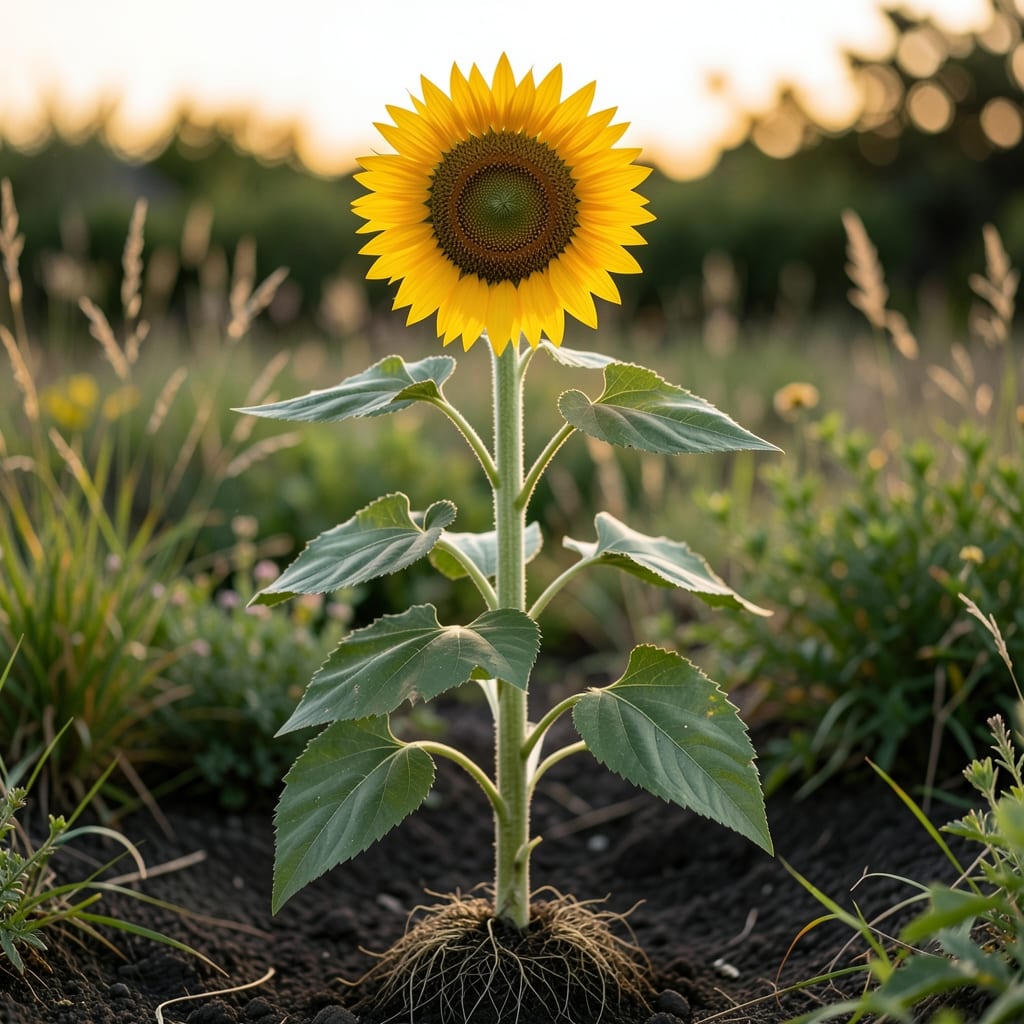
Sunflower height by variety: from dwarf to giant types
Sunflowers are nature's skyscrapers—some varieties can grow taller than a two-story building, while others stay compact enough for container gardens. The mature height of a sunflower depends entirely on its variety, with dwarf types reaching just 1-3 feet and giant cultivars soaring up to 16 feet. Choosing the right variety ensures your sunflowers thrive in your space, whether you have a small balcony or a sprawling backyard.
For gardeners with limited space, dwarf sunflowers like 'Teddy Bear' or 'Moulin Rouge' are perfect—these stay under 3 feet tall while still producing vibrant blooms. Meanwhile, standard varieties like 'Russian Giant' or 'Mammoth' can reach 12-16 feet, making them ideal for privacy screens or landmark centerpieces. Understanding these height differences helps you plan your garden layout and avoid overcrowding.
Below is a quick reference table showing popular sunflower varieties and their mature height ranges, along with their best uses in the garden. This will help you pick the perfect variety for your growing goals—whether you want cut flowers, birdseed, or just a stunning backdrop.
| Variety | Height Range | Best For | Notes |
|---|---|---|---|
| 'Teddy Bear' | 1-2 ft | Containers, borders | Dwarf, great for kids' gardens |
| 'Moulin Rouge' | 2-3 ft | Cut flowers, small gardens | Dark red blooms, compact |
| 'Sunspot' | 3-5 ft | Cut flowers, pollinators | Multi-colored petals |
| 'Russian Giant' | 12-16 ft | Privacy screens, landmarks | Tallest variety, needs support |
| 'Autumn Beauty' | 4-5 ft | Cut flowers, seed production | Multi-colored blooms, great for bouquets |
| 'Mammoth' | 10-14 ft | Privacy, statement plants | Large seed heads, needs staking |
If you're growing sunflowers for cut flowers, varieties like 'Autumn Beauty' or 'Sunspot' are excellent choices—they produce long-lasting blooms with vibrant colors that add a pop to any arrangement. For seed production, taller varieties like 'Russian Giant' or 'Mammoth' yield high-quality seeds for birds or saving. Meanwhile, dwarf varieties are perfect for container gardening or adding height to window boxes.
Pro tip: If you're unsure about a variety's height, check the seed packet or plant tag—most reputable suppliers list the mature height and spacing requirements. This helps you avoid planting sunflowers too closely together, which can stunt their growth and reduce flower production. Always follow the recommended spacing to give your sunflowers room to reach their full potential.
For gardeners with small spaces, consider growing sunflowers in containers or raised beds. Dwarf varieties like 'Teddy Bear' thrive in 5-gallon pots, while slightly taller types like 'Sunspot' can handle 10-gallon containers. Just ensure your containers have drainage holes and are at least 12 inches deep to accommodate the roots.
One common misconception is that all sunflowers need full sun to reach their maximum height. While this is true, some varieties—like 'Moulin Rouge'—can tolerate partial shade and still produce abundant blooms. However, for the tallest varieties, 6-8 hours of direct sunlight is non-negotiable. Without enough light, sunflowers may grow leggy and weak, with fewer flowers and smaller seed heads.
When selecting sunflowers for your garden, also consider their growth habit. Some varieties grow straight and tall, while others may lean or spread outward. For example, 'Russian Giant' is known for its
How to maximize sunflower growth without taking over your garden
If you’ve ever dreamed of growing towering sunflowers but worry about them dominating your garden, don’t fret! With the right techniques, you can encourage maximum growth—or control their height—while keeping your space organized. The key lies in pruning, spacing, and smart soil care. Even in small gardens, you can coax sunflowers to reach their full potential without sacrificing other plants.
First, let’s talk about space-saving hacks. If you’re working with limited room, opt for dwarf varieties like ‘Teddy Bear’ (1–3 ft) or ‘Moulin Rouge’ (3–4 ft). These stay compact but still deliver stunning blooms. For taller varieties, use cage supports or trellises to guide their growth vertically, freeing up ground space for other crops. A simple wire frame or bamboo stakes can work wonders!
Select dwarf or semi-dwarf types for small spaces (e.g., ‘Little Becka’ at 2–3 ft) or giant varieties like ‘Russian Giant’ (12–16 ft) for dramatic heights. Match your garden’s scale to the plant’s mature size.
To limit height, pinch off the main stem when it reaches 12–18 inches. This encourages bushier growth with multiple smaller blooms. For taller stems, avoid pruning—let them grow naturally for those iconic sunflower displays!
Sunflowers thrive with phosphorus-rich fertilizer (like 10-10-10) to boost stem strength. Apply at planting and again when stems are 12 inches tall. Avoid over-fertilizing—too much nitrogen can weaken stems and cause top-heavy collapse.
Give tall varieties at least 2–3 feet of space between plants to prevent competition. For dwarf types, 1–2 feet is sufficient. Group taller sunflowers together to create a natural windbreak and avoid shading smaller plants.
Tall sunflowers (over 6 ft) need support stakes or cages to prevent toppling. Bury stakes 12 inches deep and tie stems loosely with soft fabric strips (like old T-shirts) to avoid damaging the stem as it grows.
For container gardening, choose dwarf or semi-dwarf varieties and ensure pots are at least 12 inches deep. Place containers in full sun and water consistently—sunflowers in pots dry out faster than those in the ground. If you’re growing giant sunflowers in containers, use large, heavy pots (20+ gallons) and add a support trellis early to guide their growth.
Finally, remember that sunflowers love sunlight—at least 6–8 hours daily. If your garden is shady, consider reflective surfaces (like white walls or mirrors) to bounce extra light onto your plants. With these tips, you can enjoy sunflowers of any height without sacrificing your garden’s layout or other plants!