
How To
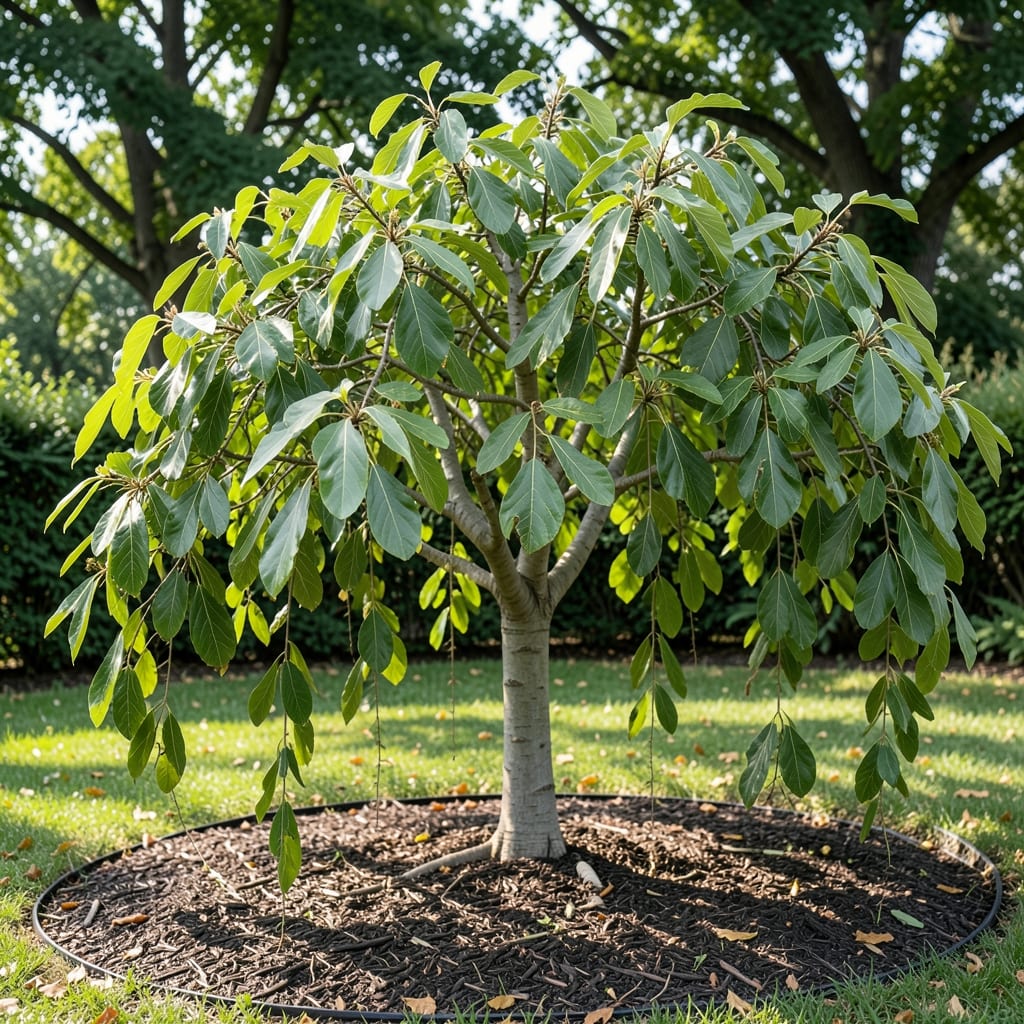
If you’ve ever wondered how tall can the Benjamin fig tree grow before it becomes a living room giant, the answer might surprise you. This popular indoor plant can stretch up to 30 feet outdoors in ideal conditions, but with the right care, you can keep it at a manageable height—even indoors. The key is understanding its growth habits and when to step in with pruning or environmental adjustments.
The Benjamin fig tree (🌳 Ficus benjamina) is a fast grower, often reaching 10-15 feet in just a few years if left unchecked. But don’t worry—indoor growth is slower, and with proper techniques, you can maintain it at a height that fits your space. Whether you’re dealing with a sprawling branch or a compact dwarf variety, controlling its size doesn’t mean sacrificing its health or beauty.
In this guide, I’ll break down everything you need to know: from natural height ranges to pruning secrets that keep your tree lush and compact. You’ll also discover how light, pot size, and seasonal care play a role in managing growth. Let’s get your Benjamin fig tree thriving at the perfect height for your home.
Ready to take control? By the end, you’ll know exactly how to keep your tree at a height that works for you—without cutting into its lifespan or charm. Let’s dive in!

Benjamin fig tree height range: natural growth vs. indoor limitations
The Benjamin fig tree (Ficus benjamina) is a stunning indoor plant, but its height can vary dramatically depending on where you grow it. Outdoors in tropical climates, these trees can soar to 15-30 feet tall—taller than most basketball hoops! Indoors, however, their growth is naturally limited by ceiling heights, pot sizes, and light conditions. Without intervention, an indoor Benjamin fig tree typically reaches 6-10 feet tall within 3-5 years.
Understanding your tree’s growth potential starts with recognizing its natural tendencies. In the wild, Benjamin figs grow as fast-growing evergreens with a single trunk that branches only at the top. When grown indoors, they adapt by becoming bushier—especially if you prune them regularly. The key to controlling height lies in balancing their genetic growth habits with proper care techniques.
Here’s how different growing conditions affect height:
The ‘Exotica’ and ‘Starlight’ varieties are popular choices for indoor growers because they naturally stay shorter—typically 4-8 feet tall—without aggressive pruning. These varieties also produce variegated or glossy leaves, adding aesthetic appeal while keeping growth manageable. If you’re working with a standard Benjamin fig tree, however, you’ll need to take a more hands-on approach to height control.
Light exposure plays a critical role in determining how tall your Benjamin fig tree grows. In low-light conditions (common in north-facing rooms), growth slows significantly, and the tree may only reach 3-5 feet tall over several years. Conversely, placing your tree near a south-facing window or under grow lights can accelerate growth, pushing it toward the upper limits of its indoor height range.
Another factor to consider is the age of your tree. Younger Benjamin fig trees grow faster—expect 1-2 feet of new growth per year in ideal conditions. As the tree matures (typically after 3-5 years), its growth rate slows to 6-12 inches per year. This natural deceleration makes it easier to maintain a desired height over time, especially if you’ve established a pruning routine.
Myth: Benjamin fig trees will always grow tall if left unpruned. Reality: While they can reach impressive heights outdoors, indoor trees are naturally limited by their environment. The biggest mistake I see is assuming that because a tree is fast-growing, it will inevitably become unmanageable. With the right care, you can keep it at a height that fits your space—whether that’s 3 feet for a desk-sized tree or 8 feet for a statement plant.
To estimate your tree’s future height, consider these three variables: variety, light exposure, and pruning frequency. For example, a ‘Starlight’ in a small pot with indirect light might stay under 5 feet, while an unpruned standard variety near a sunny window could hit 8 feet in 5 years. The good news? You’re in control of two out of three factors!
If you’re concerned about your tree outgrowing its space, the solution isn’t to avoid growing one—it’s to plan for pruning from day one. Even a small trim every few months can make a dramatic difference in height over time. Think of pruning as a gardening toolkit rather than a last-resort fix. We’ll dive deeper into pruning techniques in the next section, but for now, remember: consistency is key.
🌳
Pruning techniques to control Benjamin fig tree height without harming it
Controlling the height of your Benjamin fig tree starts with proper pruning techniques. Without regular pruning, your tree can easily reach 10+ feet indoors, crowding your space. The key is to prune at the right time and in the right way to encourage bushier growth while keeping it manageable.
Timing is everything—prune in late spring or early summer when the tree is actively growing. Avoid pruning during winter, as this stresses the plant and slows recovery. Use sterilized pruning shears to prevent disease, and always cut just above a leaf node to promote new growth.
Visual Guide: Pruning Do’s and Don’ts
To encourage a fuller, bushier shape, focus on trimming the topmost branches. This redirects energy to lateral growth, creating a denser canopy. For a taller but narrower tree, prune the sides more aggressively. Always step back after pruning to visualize the tree’s new shape—this helps avoid uneven growth.
After pruning, your Benjamin fig tree may drop some leaves as it adjusts. This is normal! To support recovery, place the tree in bright, indirect light and avoid fertilizing for 4-6 weeks. Resume watering as usual, but monitor the soil to prevent overwatering, which can stress the roots further.
For long-term height control, combine pruning with regular maintenance trims every 3-6 months. This keeps the tree at your desired height while maintaining its health. With patience, your Benjamin fig tree can stay compact for years—even indoors—without sacrificing its lush, tropical appearance.
Pro tip: Save your pruned cuttings! Place them in water to root, and you’ll have free propagated plants for friends or future garden projects. Just ensure the cuttings have at least 2-3 nodes for successful rooting.