
Flowers
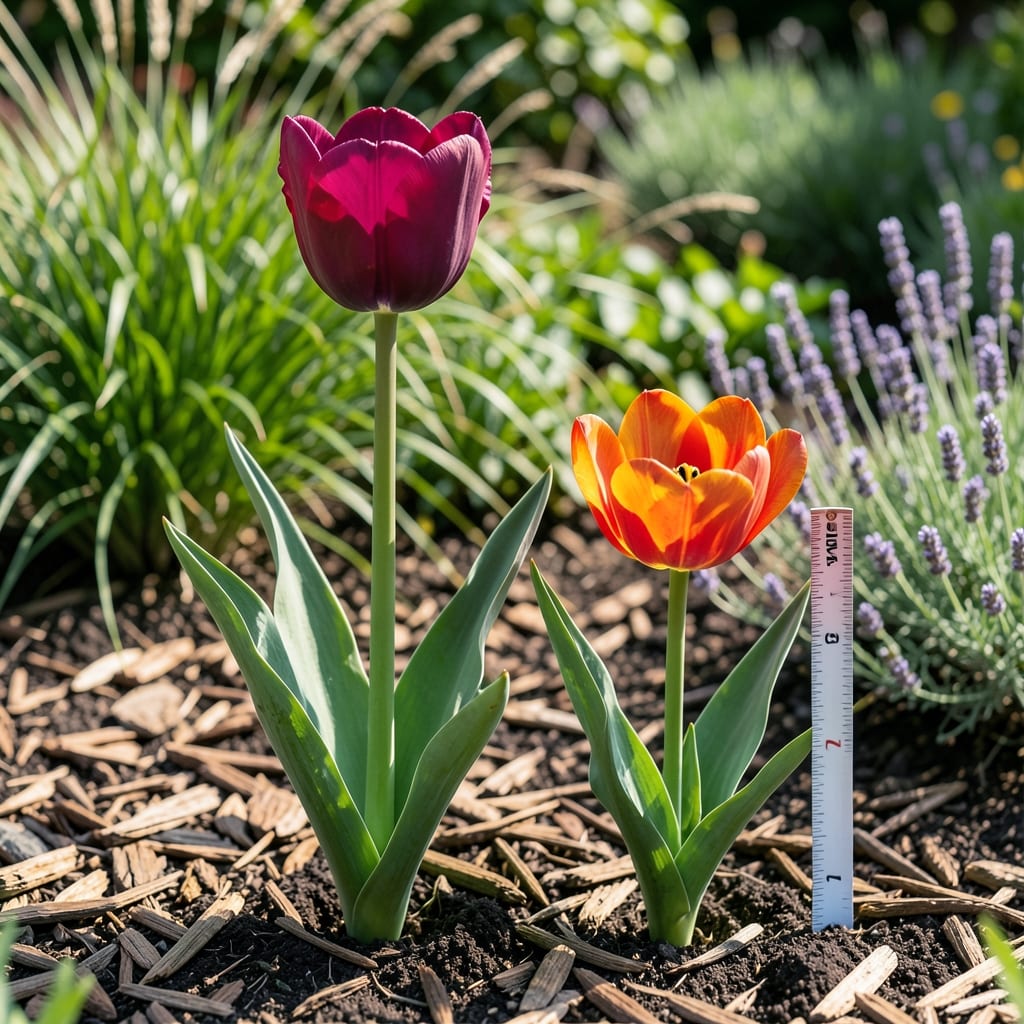
If you’ve ever wondered how tall can tulips grow, the answer might surprise you—these cheerful blooms can range from dainty 4-inch dwarfs to towering 2.5-foot giants, depending on the variety and growing conditions. Whether you’re planning a dramatic border or a compact container garden, understanding these height differences is key to creating the look you love.
Some of the most popular tulips, like the striking Darwin Hybrid varieties, can shoot up to 30 inches tall, while delicate species like Tulipa greigii stay closer to the ground at just 12-18 inches. The right placement in your garden—whether in full sun or partial shade—can also influence how much they stretch toward the sky.
Climate plays a big role too. In cooler zones like USDA Zone 6a, tulips often reach their full potential, but warmer regions might see slightly shorter stems. With the right care—like proper soil prep and consistent watering—you can encourage your tulips to grow taller or keep them compact, depending on your vision.
Ready to pick the perfect tulips for your space? Let’s break down the height ranges, growing tips, and how to control their size so your garden looks exactly how you imagine it—whether that’s a lush, 2-foot statement or a neat, 8-inch border.


Tulip height by variety: from dwarf to giant species
When planning your garden, knowing how tall your tulips will grow helps you choose the right varieties for your space. Tulips range from dwarf varieties that stay under a foot tall to giant species that can reach nearly 3 feet. The height difference isn't just about aesthetics—it also affects how you arrange them in borders, containers, or mixed plantings.
For example, Darwin Hybrid tulips are among the tallest, often reaching 26 to 30 inches, making them perfect for the back of garden beds or as dramatic focal points. On the other end of the spectrum, dwarf tulips like 'Tiny Star' or 'Tiny Pink' stay between 4 to 8 inches tall, ideal for rock gardens or edging pathways.
Below is a quick reference to help you visualize how different tulip varieties compare in height. This will make it easier to plan your garden layout and ensure each variety gets the space it needs to thrive.
| Variety | Height Range | Best For |
|---|---|---|
| Dwarf Tulips (e.g., 'Tiny Star') | 4–8 inches | Rock gardens, containers, borders |
| Semi-Dwarf Tulips (e.g., 'Apeldoorn') | 12–18 inches | Front of beds, mixed plantings |
| Standard Tulips (e.g., 'Queen of Night') | 20–24 inches | Mid-height beds, cut flowers |
| Darwin Hybrid Tulips (e.g., 'Red Emperor') | 26–30 inches | Back of borders, focal points |
| Species Tulips (e.g., Tulipa greigii) | 12–18 inches | Wildflower gardens, naturalized areas |
If you're designing a layered garden bed, consider pairing tall Darwin Hybrids at the back with semi-dwarf varieties in the middle and dwarf tulips at the front. This creates a stunning visual progression that draws the eye through your garden.
Another factor to consider is the growth habit of each variety. Some tulips, like fringed tulips, have slightly shorter stems but wider blooms, while others, like parrot tulips, may need extra support due to their heavier flower heads. Always check the specific notes for your chosen variety to avoid surprises.
For container gardening, dwarf and semi-dwarf tulips are ideal because they won’t outgrow their pots. Mix them with other low-growing plants like crocuses or pansies for a vibrant spring display that stays compact and manageable.
Remember, the height listed is for mature plants under ideal conditions. Factors like soil quality, sunlight exposure, and climate can influence how tall your tulips grow. In poorer soil or shadier spots, they may stay shorter than expected, while rich, well-draining soil and full sun encourage maximum height.
If you're unsure which varieties to choose, start with a mix of heights to create depth in your garden. For instance, plant 'Queen of Night' (24 inches) behind 'Apeldoorn' (16 inches) and add 'Tiny Star' (6 inches) at the front for a balanced, eye-catching arrangement.
Finally, keep in mind that tulip height can also vary slightly from year to year. First-year blooms might be shorter, while established bulbs will reach their full potential. Patience pays off—your tulips will grow taller and more robust with each season!
🌷
How climate zones affect tulip growth and maximum height
Your USDA hardiness zone plays a surprisingly big role in how tall your tulips grow. While most tulips thrive in zones 3-8, their height can shift dramatically depending on winter chill and summer heat. In colder zones like 3-5, tulips often grow taller to reach sunlight through snow, while warmer zones like 7-9 may stunt growth if summers are too hot.
Cooler climates with long winters (like zones 4-6) produce the tallest tulips, sometimes reaching 28-30 inches for varieties like 'Darwin Hybrid'. Meanwhile, in milder zones (7-9), the same variety might max out at 20-24 inches due to reduced winter dormancy. This zone-driven height variation is why your neighbor's tulips might look like skyscrapers compared to yours!
🌷
- Zones 3-5: Tallest growth (24-30") due to cold winters forcing upward energy
- Zones 6-7: Moderate height (18-26") with balanced seasonal extremes
- Zones 8-9: Shorter growth (12-20") from milder winters and heat stress
- Zone 10+: Minimal height (10-16") unless grown as annuals with winter protection
- High-altitude: Can add 2-4" to height due to thinner air and cooler temps
Heat is the silent height suppressor for tulips. In zones 8-9, temperatures above 85°F (29°C) can cause bolting (rapid stem elongation) or bud blast (premature flower drop), both of which reduce mature height. I've seen 'Queen of Night' tulips shrink from 28 inches in zone 6 to just 18 inches in zone 9 without proper afternoon shade.
Northern gardeners in zones 3-5 actually have an advantage—they can grow giant tulips like 'Black Hero' (up to 30 inches) that would flop in southern heat. The key is choosing varieties bred for your zone's chill hours (most tulips need 1,000-1,500 hours below 45°F (7°C) to reach full height potential).
For container growers in warm zones, dwarf varieties like 'Tiny Pink' (6-8 inches) or 'Peppermint' (8-10 inches) are the secret to happy tulips. These stay compact even in zone 10 because their genetics prioritize flower production over stem length when heat stress is present.
🌿