
Trees
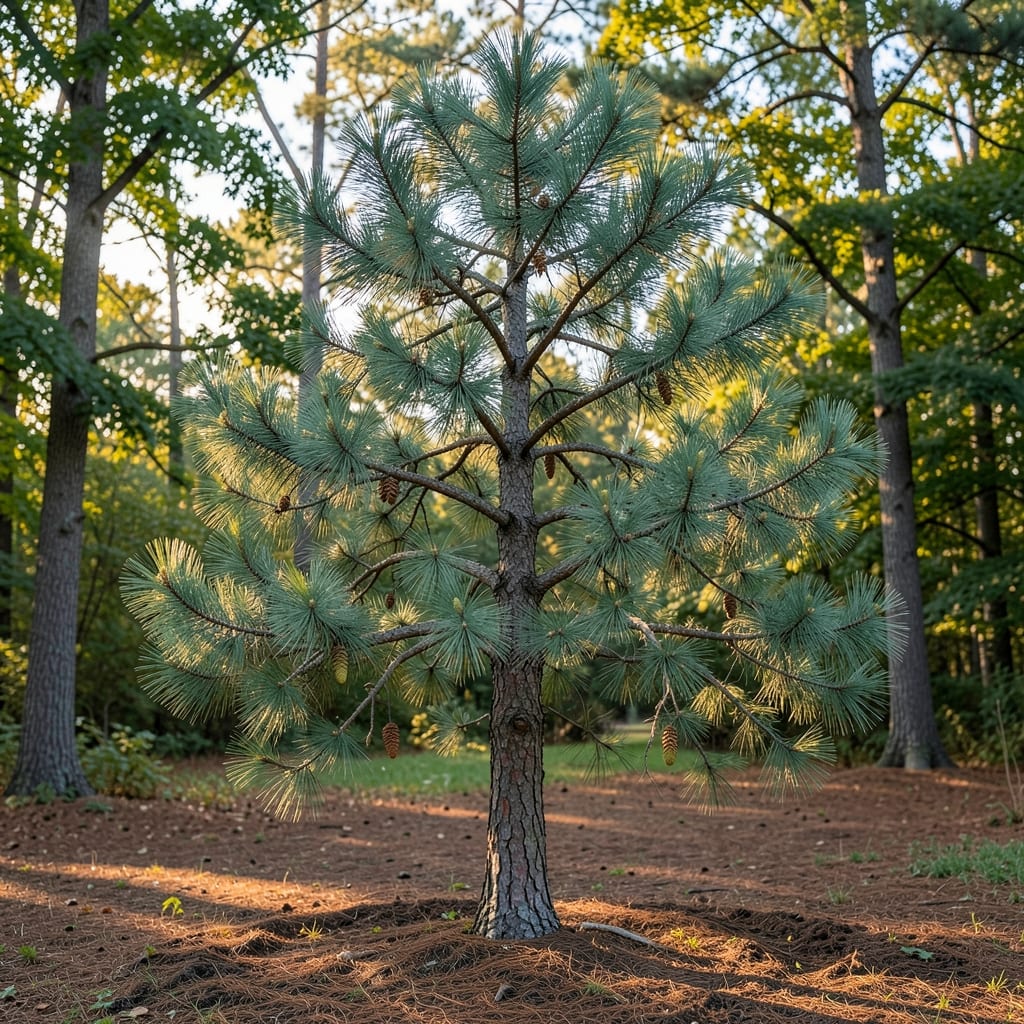
If you're dreaming of a towering, majestic 🌲 White Pine in your backyard, you might be surprised to learn how tall these trees can grow. Some Eastern White Pines reach staggering heights of 100 feet or more, while others stay more manageable—making them one of nature's most adaptable giants.
What determines whether your White Pine becomes a sky-scraping sentinel or a modest landscape feature? The answer lies in a mix of genetics, soil quality, and climate conditions. For gardeners in USDA Zone 6a, understanding these factors is key to planning your planting strategy—whether you're aiming for a shade provider or a future backyard landmark.
Let’s break down the typical height ranges by variety and the environmental factors that can push a White Pine toward the clouds or keep it grounded. You’ll also discover practical tips for spacing, pruning, and long-term care to ensure your tree grows to its full potential—without overpowering your property.
From fast-growing specimens to slower, more controlled varieties, we’ll cover everything you need to know to make an informed decision. Ready to plant a legacy? Let’s get started.


Mature heights of white pine varieties: from dwarf to skyscraper trees
White pines are nature's skyscrapers, with some varieties reaching heights that dwarf even the tallest buildings. The Eastern White Pine, for example, can tower up to 100 feet in ideal conditions, while others like the Dwarf Alberta Spruce (a close relative) stay under 10 feet. Understanding these differences helps you choose the right variety for your landscape or garden space.
Most white pines fall into three height categories: standard (40-100 ft), semi-dwarf (20-40 ft), and dwarf (under 10 ft). However, true dwarf white pines are rare—most "dwarf" varieties are actually slow-growing selections. The Eastern White Pine is the most common and fastest-growing, while the Limber Pine grows slower but lives longer, often exceeding 100 years.
Here’s how some of the most popular white pine varieties compare in terms of mature height and growth habits:
| Variety | Mature Height | Growth Rate | Notes |
|---|---|---|---|
| Eastern White Pine (Pinus strobus) | 40–100 ft | Fast (1–2 ft/year) | Most common; thrives in USDA Zones 3–8 |
| Western White Pine (Pinus monticola) | 60–120 ft | Moderate (0.5–1.5 ft/year) | Native to Pacific Northwest; drought-tolerant |
| Limber Pine (Pinus flexilis) | 30–60 ft (often multi-trunk) | Slow (0.3–0.5 ft/year) | Cold-hardy; thrives in rocky soils |
| Dwarf Alberta Spruce (Picea glauca 'Conica') | 6–10 ft | Very slow (2–4 in/year) | Not a true white pine but often confused; dense foliage |
| Sawara Cypress (Chamaecyparis pisifera) | 20–40 ft | Moderate (0.5–1 ft/year) | Often sold as "dwarf white pine"; soft, feathery needles |
Genetics play a huge role in height potential. For example, a Eastern White Pine grown from seed in a forest may reach 100 feet, but the same species planted in a urban backyard with restricted root space might only hit 40–50 feet. Similarly, grafted varieties (like those sold at nurseries) are often bred for slower growth and denser foliage, making them ideal for smaller landscapes.
Regional climate also affects height. In the Pacific Northwest, where moisture is abundant, white pines grow taller and faster. In contrast, arid climates like those in the Southwest may stunt their growth unless they receive supplemental water. Even within the same species, a tree in Zone 5 might grow 20% slower than one in Zone 7 due to shorter growing seasons.
If you’re planning to plant white pines near power lines or buildings, consider slow-growing varieties or pruning strategies to manage height. For example, the Sawara Cypress is a popular alternative for smaller properties because it tops out at 40 feet while maintaining the elegant, feathery look of white pines. Just be sure to check its mature width too—some varieties spread as wide as they grow tall!
For home gardeners, the key takeaway is to match the variety to your space. A 100-foot tree in a suburban yard will need constant pruning, while a 10-foot dwarf variety might feel too small for a statement tree. Always research the mature height and spread before planting to avoid future headaches.
Pro tip: When shopping for white pines, ask the nursery about the provenance of the seed source. Trees grown from wild-collected seeds tend to grow taller and faster than those from nursery-bred stock, which are often selected for compact growth.
🌲
Factors that determine how tall white pines grow: soil, climate, and care
Your white pine's ultimate height isn't just about genetics—it's a mix of soil quality, climate conditions, and how you care for it. While some varieties have built-in growth limits, others can stretch toward the sky if given the right conditions. Let's explore the key factors that push white pines toward their maximum potential—or hold them back.
The soil composition plays a surprisingly big role. White pines thrive in well-draining, slightly acidic soil (pH 4.5–6.0). Heavy clay soils can stunt growth by up to 30%, while sandy loams allow roots to spread freely, encouraging taller growth. In urban settings, compacted soil from construction often limits height—even fast-growing Eastern White Pines may only reach 60 feet instead of their full 100-foot potential.
🌱
Growth Boosters vs. Growth Stoppers
- Rich loam soil with organic matter
- Full sun exposure (6+ hours daily)
- Consistent moisture in early years
- Wide planting space (30+ ft diameter)
- Cool climates (Zones 3–6)
- Compacted soil from urban development
- Poor drainage (waterlogged roots)
- Limited root space (containers, small yards)
- Hot, dry climates (Zones 7–9)
- Excessive pruning of young trees
Note: Climate matters most—white pines in the Pacific Northwest grow 20% taller than those in the Southeast due to higher humidity and rainfall.
Climate is another game-changer. White pines in cooler, wetter regions (like the Northeast) grow faster and taller than those in hot, dry areas. For example, a Western White Pine in Oregon might reach 120 feet, while the same species in Arizona may only hit 60 feet without supplemental water. Even within the same state, elevation matters—a tree at 5,000 feet grows slower than one at 1,000 feet due to cooler temperatures and shorter growing seasons.
Your care routine also influences height. Pruning young trees to encourage a single leader (main trunk) can direct energy upward, while over-pruning stunts growth. In contrast, leaving a tree unpruned in its first 10 years allows it to develop a strong root system that supports taller growth later. Watering habits matter too—deep, infrequent watering encourages deep roots, while shallow watering leads to weak, sprawling growth.
One often-overlooked factor is competition. White pines planted too close to other trees or structures will grow slower and shorter due to root competition. In forests, they may reach their full height, but in suburban yards, they often become multi-stemmed shrubs instead of towering trees. If you want a tall, straight white pine, give it at least 30 feet of clear space in all directions and avoid planting near large shrubs or other trees.
For gardeners in USDA Zone 6a, the key is balancing these factors. Amend your soil with compost, mulch heavily to retain moisture, and avoid pruning the top third of the tree—this is where new height growth occurs. With the right conditions, even a standard Eastern White Pine can reach 80–100 feet in your backyard, becoming a true statement piece for generations to come.
🌳