
Lawn
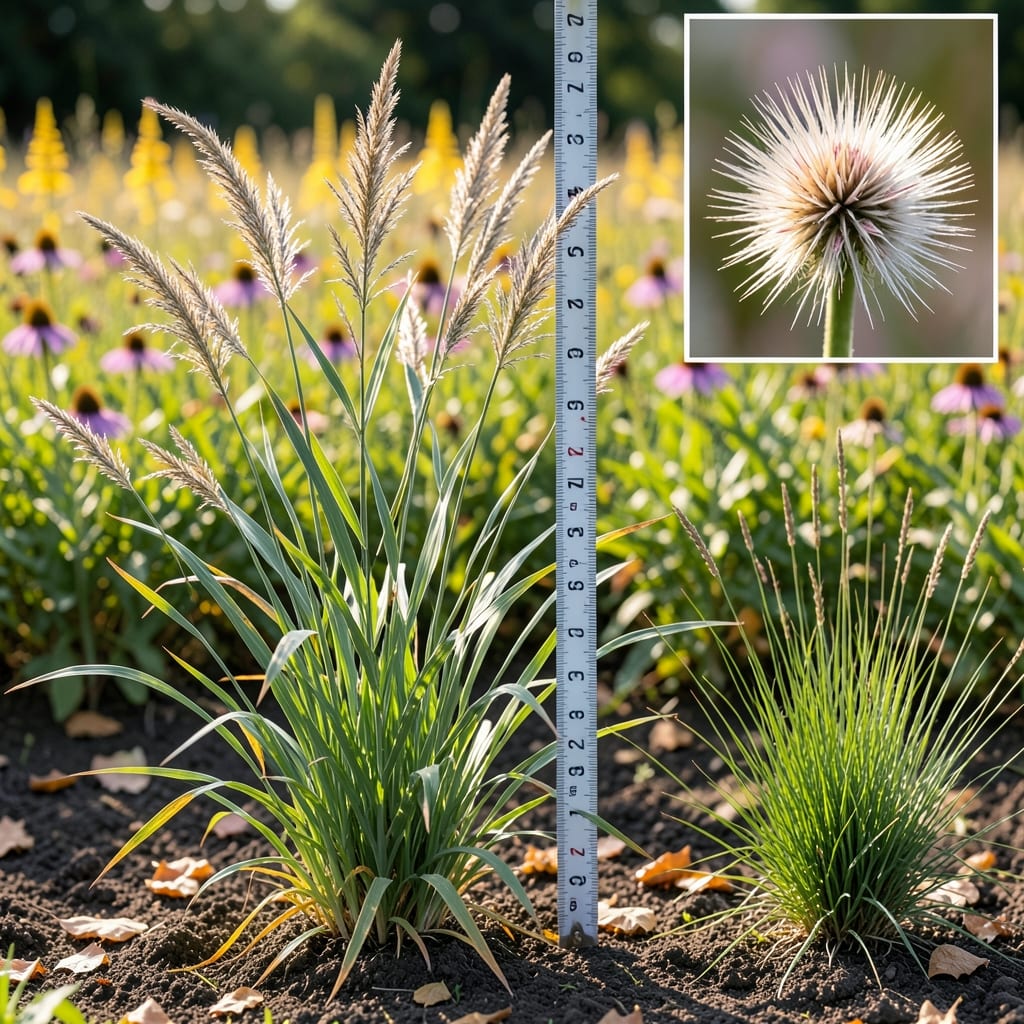
If you’ve ever wondered how tall wild grass can grow, the answer might surprise you—some varieties stretch taller than you can imagine, reshaping landscapes and even outsmarting human efforts to control them.
From towering 15 feet in ideal conditions to delicate 1-foot ornamental grasses, the height of wild grass depends on species, climate, and soil quality. Understanding these factors isn’t just fascinating—it’s practical for gardeners managing overgrowth or designing naturalistic spaces.
In this guide, I’ll break down the tallest wild grass species, the conditions that fuel their growth, and how you can work with (or against) their natural tendencies. Whether you’re dealing with invasive patches or planning a low-maintenance garden, these insights will help you make informed choices.
Ready to discover which grasses defy expectations and how to handle them? Let’s dive in.

Wild grass species with the tallest growth records and their natural habitats
When it comes to wild grass, some species can reach staggering heights—up to 15 feet or more under ideal conditions. These giants aren’t just impressive to look at; they play critical roles in ecosystems, from stabilizing soil to providing wildlife habitats. Let’s explore the tallest wild grass species and where they thrive.
The common reed (Phragmites australis) is one of the most dominant wild grasses, often growing 10-15 feet tall in wetlands and marshes. Its thick, towering stems create dense stands that can outcompete native plants, earning it a reputation as an invasive species in many regions.
Giant reed (Arundo donax), another heavyweight, can shoot up to 12-20 feet in warm climates like the Mediterranean and California. Its hollow stems and feathery seed heads make it a standout in landscapes, though it’s also notorious for spreading aggressively.
Elephant grass (Pennisetum purpureum) lives up to its name, reaching 10-12 feet in tropical and subtropical areas. This fast-growing grass is prized for erosion control but can become a nuisance if left unchecked.
Now, let’s compare these giants side by side to see how they stack up in height, habitat, and growth habits.
| Species | Max Height | Native Habitat | Growth Rate | Key Notes |
|---|---|---|---|---|
| Common Reed (Phragmites australis) | 10-15 ft | Wetlands, marshes | Fast | Invasive in many regions; stabilizes soil |
| Giant Reed (Arundo donax) | 12-20 ft | Mediterranean, California | Very fast | Aggressive spreader; used for erosion control |
| Elephant Grass (Pennisetum purpureum) | 10-12 ft | Tropical/subtropical | Rapid | Loved by wildlife; can be invasive |
| Switchgrass (Panicum virgatum) | 3-6 ft | Prairies, plains | Moderate | Drought-tolerant; great for pollinators |
| Big Bluestem (Andropogon gerardii) | 6-10 ft | North America | Moderate | Native prairie grass; wildlife food source |
These towering grasses aren’t just impressive—they’re also highly adaptable. For example, common reed thrives in waterlogged soils, while giant reed dominates arid regions with minimal water. Their ability to grow so tall is often tied to their native environments, where they’ve evolved to maximize sunlight exposure and resource uptake.
In my own garden, I’ve seen how switchgrass and big bluestem can reach 6-10 feet in just one season when given enough space and nutrients. These native grasses are perfect for creating low-maintenance, wildlife-friendly landscapes without the risk of invasiveness.
If you’re dealing with wild grass in your yard, understanding these species can help you decide whether to embrace their natural beauty or take steps to manage their growth. Some, like common reed, can become overwhelming, while others, like switchgrass, add value to your ecosystem.
Next, we’ll dive into the key factors that determine how tall wild grass can grow—from climate and soil to sunlight and competition. You’ll learn how to predict and even influence the height of these grasses in your own space.
Key factors that determine wild grass height: climate, soil, and competition
Wild grass height isn’t just a matter of luck—it’s a mix of climate conditions, soil quality, and competition for resources. In my experience, the right combination can turn a modest patch into a 15-foot giant within a single growing season. Let’s break down what fuels this extreme growth.
First, temperature plays a starring role. Grasses like Phragmites thrive in warm climates, where growing seasons stretch long enough for them to reach their full potential. Even in cooler regions, early springs can jumpstart growth, giving grasses a head start before summer slows them down.
Next, water availability is non-negotiable. Floodplains and wetlands create the perfect storm for towering grasses, as excess moisture feeds rapid growth. In my own yard, I’ve seen switchgrass nearly double in height after heavy spring rains—proof that water is the ultimate growth accelerator.
Soil nutrients are equally critical. Rich, nitrogen-packed soils can push grasses to 3x their average height, while poor soils stunt them. I once tested soil near a wild patch and found it packed with organic matter—no wonder the grasses were reaching for the sky!
Don’t underestimate sunlight exposure, either. Full sun grasses like giant reed grow aggressively, while shaded varieties stay compact. Even a few hours of direct light can make the difference between a 6-foot and a 12-foot stand.
Finally, competition shapes height. In open fields, grasses stretch upward for sunlight, while crowded areas produce shorter, bushier growth. I’ve seen bluestem reach 10 feet in open prairie but only 3 feet when competing with trees.
🌱 Height Potential by Factor
Understanding these factors helps explain why some wild grasses become ecosystem giants while others stay modest. For example, giant reed in Mediterranean climates hits 12-15 feet thanks to year-round warmth and abundant water, while orchard grass in temperate zones maxes out at 3-4 feet due to cooler temps and shorter growing seasons.
If you’re dealing with wild grass in your garden, these insights can help you predict—and manage—growth before it gets out of hand. Want to know how to harness (or tame) this knowledge? Stay tuned for my next section on practical control strategies for tall grasses!