
Size
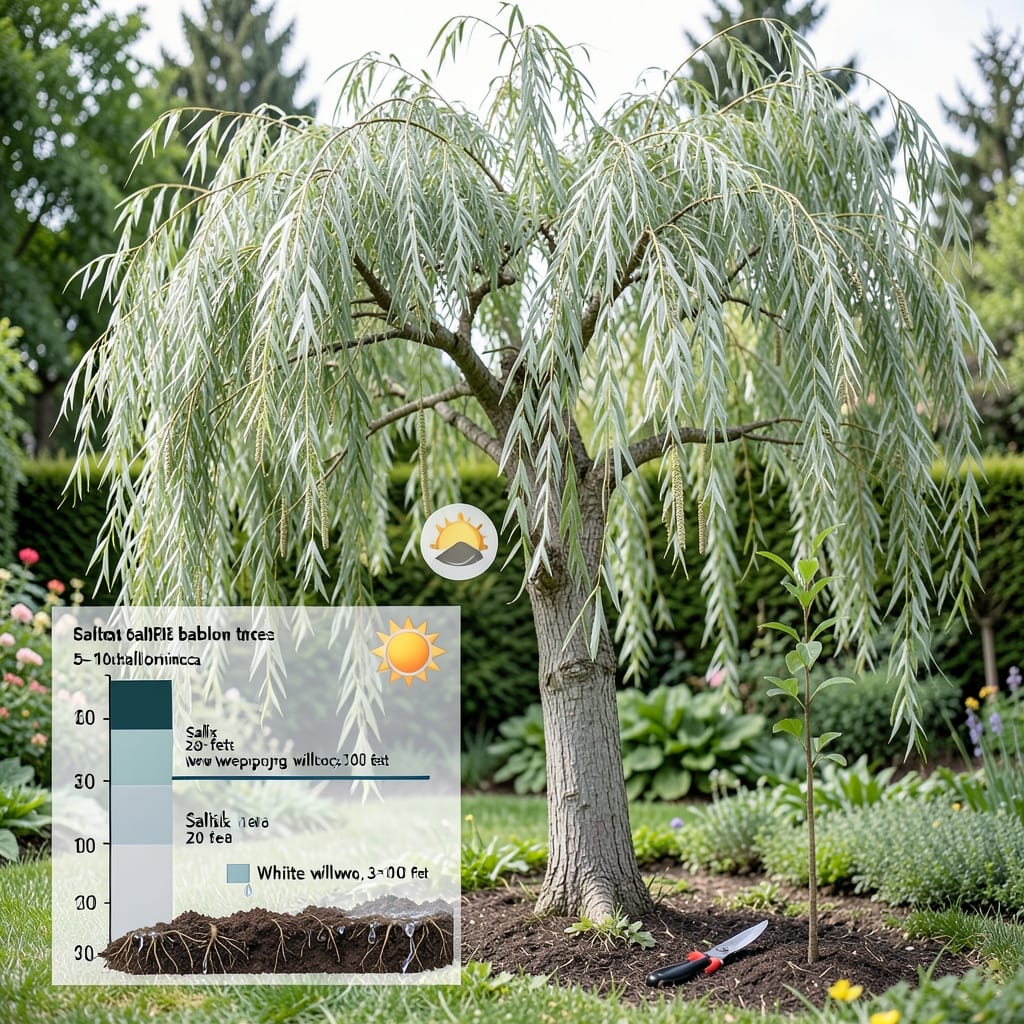
If you’ve ever wondered how tall willow trees can grow, the answer might surprise you—some varieties shoot up like nature’s skyscrapers, reaching heights that dwarf even the tallest two-story homes. 🌳 The weeping willow, for example, can stretch up to 50 feet or more, while others stay compact enough for cozy backyard spaces. But what makes these trees grow so fast, and how do you choose the right variety for your space?
Willow trees are famous for their rapid growth, with some species gaining 5 feet or more per year under ideal conditions. Whether you’re dreaming of a towering shade tree or a smaller ornamental plant, understanding their height potential is key. From the black willow’s towering presence to the delicate branches of dwarf varieties, each type has its own growth story—and we’re breaking down the details.
In this guide, I’ll cover the fastest-growing species, how soil, climate, and pruning affect their height, and practical tips for managing their size if needed. Whether you’re a gardener with limited space or a landowner planning a natural border, you’ll find out exactly what to expect from these versatile trees.
Ready to discover which willow trees will reach for the sky—and which will stay grounded? Let’s dive into the numbers, varieties, and secrets behind their impressive growth.


Willow tree height by species: from dwarf to giant varieties
Willow trees come in an astonishing range of sizes, from towering giants that dwarf city buildings to delicate dwarf varieties perfect for small gardens. The weeping willow, for example, can reach an incredible 50 to 100 feet under ideal conditions, while some ornamental varieties stay under 10 feet. Understanding these differences is key to choosing the right tree for your space.
Most willow species are fast growers, with some adding 5 to 10 feet per year in their prime. The black willow and white willow are classic tall varieties, often exceeding 40 feet at maturity, while dwarf willows like Salix caprea remain compact. Let’s explore the height ranges of popular species and what to expect from each.
🌱 Did You Know? The tallest recorded willow tree—a black willow—reached 148 feet in height, making it one of the tallest trees in North America!
The weeping willow is the undisputed champion of height, often reaching 50 feet or more in just 10–15 years. Its graceful, drooping branches create a stunning visual effect, but its rapid growth means it needs plenty of space. If you’re planting near a water feature or in a large backyard, this variety is a showstopper.
For smaller spaces, the purple osier or dwarf willow varieties are excellent choices, staying under 20 feet while still offering vibrant foliage and seasonal interest. These compact options are perfect for urban gardens or container planting with proper pruning.
One critical factor in height is the growing season. Willow trees planted in USDA Zone 6a or warmer will grow faster due to longer frost-free periods. In cooler climates, growth may slow, but with proper care, they’ll still reach impressive heights over time.
If you’re considering a willow tree for your property, think about its mature size and how it will interact with nearby structures. A 50-foot weeping willow near a power line or house foundation could become a maintenance nightmare. Always check local regulations and give tall varieties ample space to thrive.
🌳 Whether you’re aiming for a towering shade tree or a charming dwarf variety, willow trees offer something for every garden—just choose wisely based on your space and goals!
Fastest-growing willow trees: which species reach maximum height quickest?
If you’re dreaming of a towering willow tree in just a few years, you’ll want to focus on the fastest-growing species. Some willows can grow 5–10 feet per year under ideal conditions, making them perfect for quick shade or natural privacy. The crack willow and black willow are among the speediest, often reaching their mature height in under a decade.
But growth speed depends on more than just the species—soil moisture, sunlight, and climate play huge roles. For example, a weeping willow in a wet, sunny climate might shoot up 8 feet per year, while the same tree in dry soil could grow just 3–4 feet annually. Let’s break down the top contenders and how to give them the best shot at skyward success.
Fastest-Growing Willow Trees
To maximize growth, plant your willow near a reliable water source—they thrive in moist soil but can’t handle standing water. A south-facing location with full sun will also supercharge their vertical growth. If you’re in a drier climate, consider adding a drip irrigation system to keep the roots consistently hydrated.
One common misconception is that all willows grow equally fast. While the crack willow and weeping willow are champions, slower growers like the pussy willow take their time, maturing over a decade. If you’re short on patience, stick to the top performers—but remember, even the fastest willows need proper care to reach their full potential.
For those with limited space, consider container-growing dwarf varieties, though true dwarf willows are rare. Most compact options still reach 10–15 feet at maturity, so plan accordingly. Whether you’re aiming for a privacy screen or a statement shade tree, choosing the right species and giving it ideal conditions will determine how quickly your willow reaches for the sky.
Pro tip: If you’re planting near a property line, check local regulations—some areas restrict willow trees due to their invasive roots. A root barrier can help contain them while still allowing rapid vertical growth.