
Size
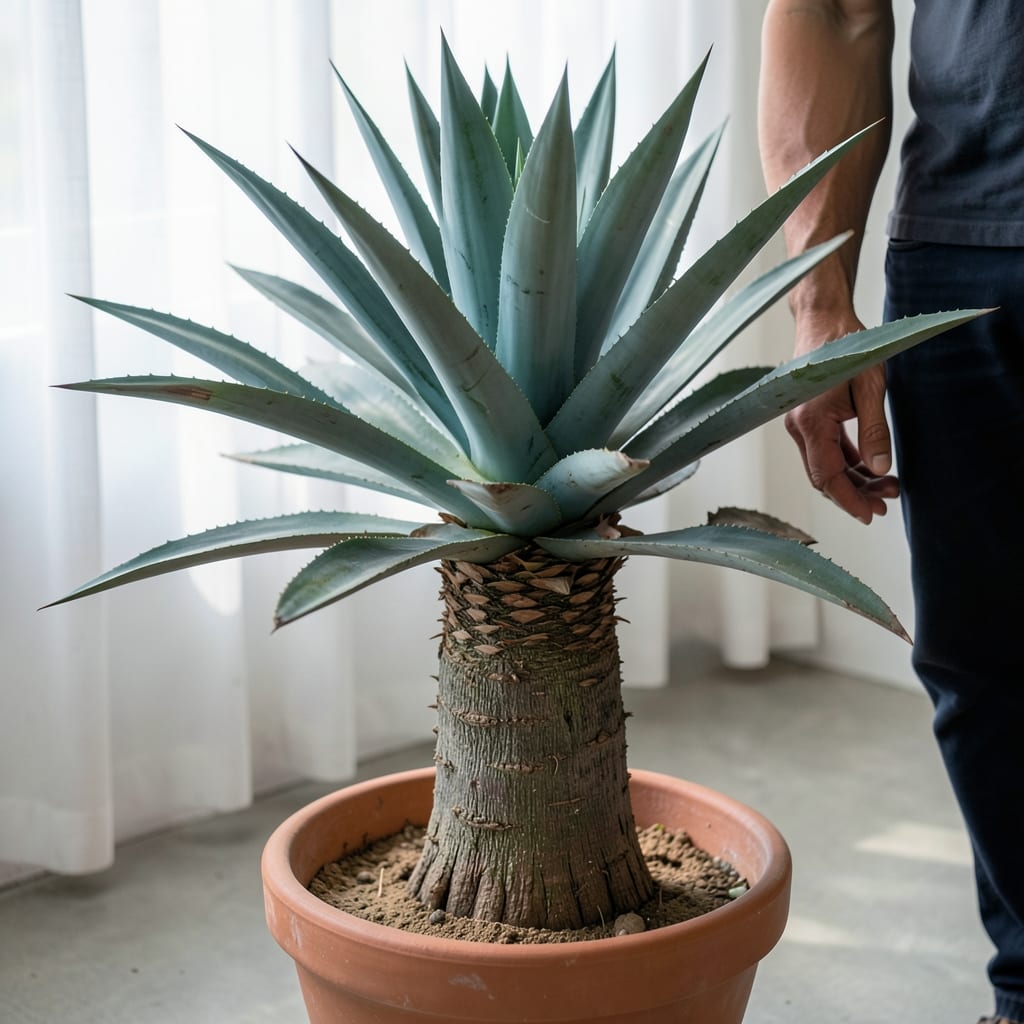
If you’ve ever wondered how tall can yucca plants grow, you’re about to discover just how dramatically these desert stalwarts can reach—some towering like living skyscrapers while others stay manageable for smaller spaces. 🌵 With heights ranging from 3 feet to a staggering 25 feet, yuccas aren’t just plants; they’re architectural statements in your garden.
The key to unlocking their full potential lies in understanding the variety you’re growing. Whether you’re eyeing the compact elegance of Yucca filamentosa or the monumental presence of Yucca rostrata, each species has its own growth story. Some mature in just a few years, while others take decades to reach their majestic heights—making patience (and the right conditions) your best allies.
But here’s the exciting part: you don’t have to let your yucca grow wild. With the right pruning techniques and care tips, you can shape its growth to fit your space—whether that means keeping it container-friendly or encouraging it to stretch toward the sky. Let’s break down the heights, the factors that influence them, and how to work with (or against) nature to get the yucca of your dreams.
Ready to transform your outdoor space with a plant that’s as versatile as it is striking? Let’s dive into the world of yucca heights and discover how to make the most of these desert giants—no matter where you live in USDA Zone 6a or beyond.


Yucca plant height by variety: from compact to sky-high giants
Yuccas are nature’s architectural marvels, and their height variations can transform your garden from ordinary to extraordinary. Whether you’re planning a desert-themed landscape or a cozy container garden, knowing which variety fits your space is key. Some yuccas stay modest at 3-6 feet, while others shoot up like living palm trees at 20+ feet. Let’s explore the most popular types and their mature heights so you can choose wisely.
If you’re working with limited space, Yucca filamentosa (Adam’s needle) is a fantastic choice, typically reaching 3-6 feet tall with a 4-6 foot spread. Its arching leaves and clumping habit make it perfect for borders or rock gardens. For a bolder statement, Yucca elephantipes (spineless yucca) grows 8-12 feet tall and 6-10 feet wide, making it a standout in modern landscapes. Both thrive in USDA Zones 7-11, so they’re adaptable to many climates.
🌵
| Variety | Mature Height | Spread | Growth Habit | Best For |
|---|---|---|---|---|
| Yucca filamentosa | 3-6 ft | 4-6 ft | Clumping | Borders, rock gardens |
| Yucca elephantipes | 8-12 ft | 6-10 ft | Tree-like | Modern landscapes, focal points |
| Yucca rostrata | td style="padding: 8px; border-bottom: 1px solid #ddd;">10-20 ft6-8 ft | Tree-like | Large gardens, desert landscapes | |
| Yucca gigantea | 15-25 ft | 10-12 ft | Tree-like | Large properties, statement plants |
| Yucca whipplei | 6-10 ft | 6-8 ft | Clumping | Containers, small gardens |
| Yucca gloriosa | 3-5 ft | 3-4 ft | Rounded | Foundation plants, mixed borders |
| Yucca recurvifolia | 4-6 ft | 4-5 ft | Clumping | Dry slopes, erosion control |
For those who love container gardening, Yucca whipplei and Yucca gloriosa are excellent choices, staying under 10 feet tall while adding texture and drama. If you’re designing a desert-inspired oasis, Yucca rostrata (Spanish dagger) or Yucca gigantea (soaptree yucca) will steal the show with their towering heights and striking foliage. These varieties thrive in well-draining soil and full sun, mimicking their natural desert habitats.
Don’t overlook the ornamental varieties like Yucca flaccida (weakleaf yucca), which grows 6-10 feet tall and produces showy flower spikes in spring. Its arching leaves add movement to your
Factors that influence Yucca growth height: sun, soil, and climate
If you’ve ever wondered why your yucca seems to be growing at a snail’s pace—or shooting up like a rocket—you’re not alone. The height of your yucca plant depends on a mix of natural factors you can’t control (like genetics) and conditions you can tweak (like sunlight and soil). Understanding these will help you encourage or control its growth to fit your space. 🌵
First, let’s talk sunlight exposure. Yuccas are sun worshippers, and the more direct sunlight they get—ideally 6+ hours daily—the faster and taller they’ll grow. In full sun, varieties like Yucca gigantea can reach their 20-foot potential in just a decade, while those in partial shade may stay stunted or leggy. Think of sunlight as their growth accelerator—without it, they’ll stretch awkwardly toward the light.
Next up: soil drainage. Yuccas hate soggy feet, and poor drainage can stunt their growth or even kill them. In well-draining soil, roots thrive, allowing the plant to focus energy on vertical growth. Amend heavy clay with sand or grit to mimic their native desert conditions. If your soil is compacted, consider planting in raised beds or containers—this gives roots the room to spread and grow upward efficiently.
🌞 Encouraging Tall Growth
6+ hours daily for maximum height.
Prevents root rot and encourages upward growth.
Drought conditions promote taller, stronger stems.
USDA Zones 7-11 for optimal growth.
🌧️ Controlling Height
Slows growth and can make plants leggy.
Leads to root rot and stunted growth.
Restricts root development and height.
Slows growth in USDA Zones 5-6.
Climate plays a huge role too. Yuccas thrive in USDA Zones 7-11, where warm temperatures and dry air create ideal conditions for rapid growth. In cooler zones like Zone 6a, growth slows significantly, and plants may take 10+ years to reach half their mature height. If you’re in a colder region, consider growing yuccas in containers so you can overwinter them indoors or move them to a sheltered spot.
Watering habits might surprise you—less is often more. Yuccas are drought-tolerant, and overwatering can actually stunt their height by encouraging weak, leggy growth. Let the soil dry completely between waterings, and you’ll reward your plant with stronger stems and faster vertical growth. In desert climates, yuccas can grow 3x taller with minimal irrigation compared to those in humid areas.
Finally, don’t overlook the role of fertilizer. A light application of balanced fertilizer (5-10-10) in early spring can give your yucca a growth boost, but too much nitrogen will promote leafy growth at the expense of height. Stick to one feeding per year in early spring, and watch your yucca reach for the sky—literally! With the right conditions, you’ll be amazed at how quickly these desert giants can transform your landscape. 🌳