
Trees
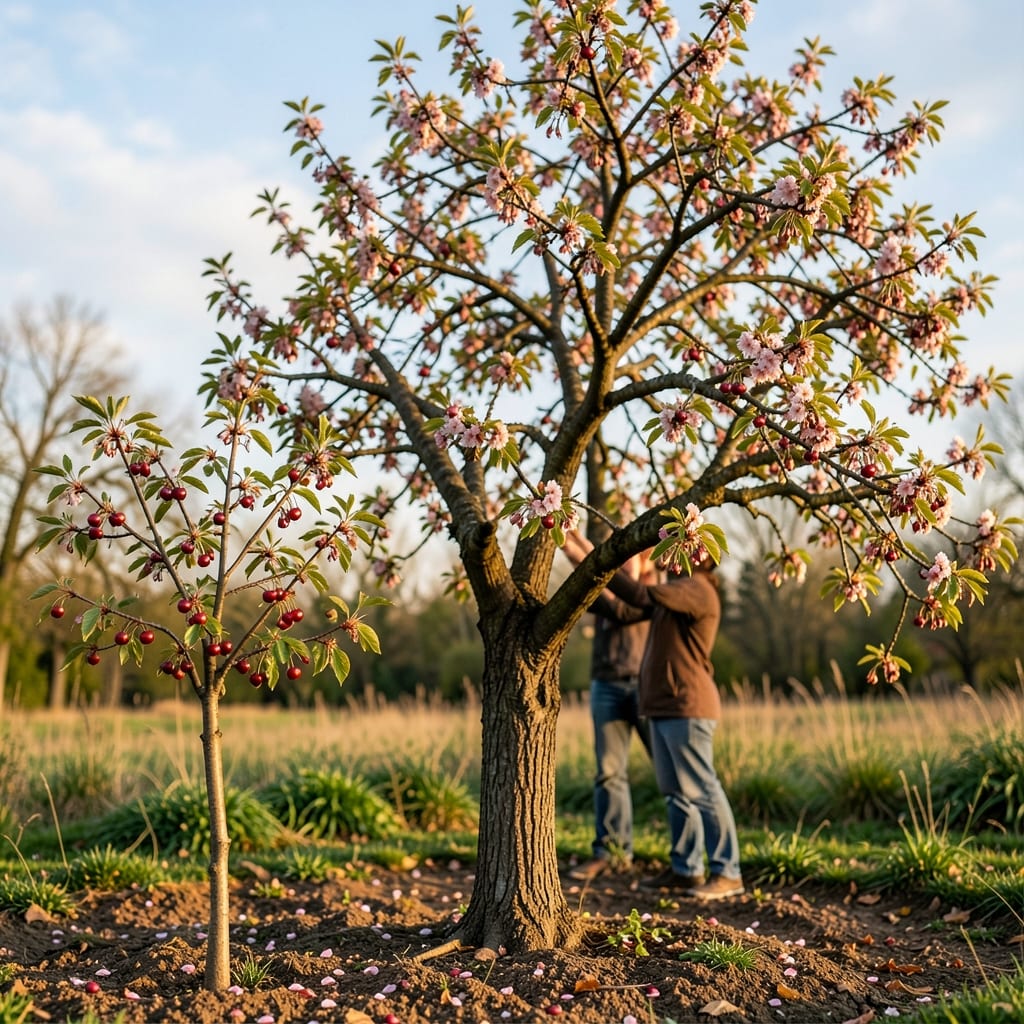
If you're wondering how tall cherry trees grow, the answer might surprise you—these stunning 🍒 beauties can range from compact 8-foot dwarfs to towering 40-foot giants, depending on the variety. That means your dream backyard tree could end up as a gentle shade provider or a full-blown skyline dominator, and getting it right starts with choosing the perfect size for your space.
Picture this: a sweet cherry tree reaching toward your second-story window, while a tart cherry stays neatly contained in your corner garden. The difference isn’t just in aesthetics—it affects everything from pruning efforts to harvest accessibility. Whether you're a first-time gardener or a seasoned pro, knowing these height variations is the key to avoiding future headaches and maximizing your tree’s potential.
But here’s the thing: height isn’t the only factor. Soil quality, sunlight exposure, and even your pruning habits play a huge role in how much your cherry tree will stretch toward the sky. I’ll break down the best varieties for small gardens, how to space them correctly, and pro tips to keep your tree at your ideal height—without sacrificing those sweet, juicy cherries you’re craving.
Ready to make an informed choice? Let’s explore the world of cherry trees, where size matters—and where every variety has its own unique story to tell.

Cherry tree height by variety: from dwarf to giant species
When planning your cherry tree dream garden, the first question is almost always: how tall will this tree grow? The answer depends entirely on the variety you choose, with heights ranging from 8 feet for dwarf types to 40 feet for standard giants. This dramatic difference means your backyard cherry could become a cozy patio shade provider or a towering centerpiece that dominates your landscape.
Most gardeners fall into one of three height categories when selecting cherry trees: dwarf varieties (ideal for containers or small spaces), semi-dwarf varieties (perfect for medium yards), and standard varieties (for large properties or orchards). Each category offers distinct advantages—whether you prioritize easy harvesting, minimal pruning, or maximum fruit production.
Let me break down the most popular types by height category, so you can visualize which will fit your space—and your long-term gardening goals. For example, a Stella® dwarf cherry stays under 12 feet, while a Bing sweet cherry can soar to 30 feet or more. The choice isn’t just about size; it’s about how you’ll interact with your tree every season.
| Variety | Type | Mature Height | Best For |
|---|---|---|---|
| Stella® | Dwarf Sweet | 8–12 ft | Containers, patios, small yards |
| Montmorency | Dwarf Tart | 10–14 ft | Urban gardens, small orchards |
| Balaton | Semi-Dwarf Sweet | 12–18 ft | Medium yards, easy harvesting |
| Rainier | Semi-Dwarf Sweet | 15–20 ft | Backyard orchards, shade trees |
| Bing | Standard Sweet | 20–30 ft | Large properties, commercial orchards |
| Black Tartarian | Standard Tart | 25–40 ft | Ornamental value, large landscapes |
| Ornamental 'Amanogawa' | Weeping | 15–25 ft | Japanese gardens, focal points |
🌱 Pro Tip: Dwarf varieties grafted onto semi-dwarf rootstock can sometimes outgrow their expected height—always check the rootstock type when shopping!
Ornamental cherry trees like 'Amanogawa' or 'Okame' add stunning spring blooms and unique shapes to landscapes, often reaching 15–25 feet with their graceful weeping branches. These varieties are perfect if you’re prioritizing visual impact over fruit production, though some (like 'Flowering Alley') produce small, non-edible cherries.
For fruit lovers, sweet cherries tend to grow taller than tart varieties, with Bing and Rainier reaching 20–30 feet at maturity. Tart cherries like Montmorency are often more compact, making them ideal for small-space orchards or even large containers. The key difference? Sweet cherries need cross-pollination (plant two compatible varieties), while many tart cherries are self-fertile.
If you’re unsure which height will work best, consider your <
Optimal spacing requirements for cherry trees by size
When planning where to plant your cherry tree, spacing is just as critical as choosing the right variety. A dwarf cherry tree might only need 8 feet of clearance, while a standard sweet cherry can demand 30 feet or more in all directions. This isn’t just about avoiding root competition—it’s about ensuring your tree gets the sunlight, airflow, and nutrients it needs to thrive without becoming a pruning project.
Think of spacing like giving your tree its own personal bubble. A semi-dwarf tart cherry, for example, needs at least 15 feet of space, but if you plant two trees too close together, they’ll fight for resources, leading to stunted growth or poor fruit production. Even ornamental cherry trees, which are often smaller, benefit from proper spacing to prevent overcrowding and disease spread.
Here’s the golden rule: Mature height + root spread determines your spacing needs. For instance, a 20-foot standard cherry tree might have roots spreading 10 feet outward, meaning you’ll need at least 30 feet of clearance from buildings, fences, or other trees. Ignore this, and you risk root-bound stress or even structural damage to your home.
| Variety Type | Mature Height | Root Spread | Recommended Spacing | Best For |
|---|---|---|---|---|
| Dwarf Sweet Cherry | 8–12 ft | 6–8 ft | 10–12 ft | Small gardens, containers |
| Semi-Dwarf Tart Cherry | 12–18 ft | 10–12 ft | 15–20 ft | Backyards, urban lots |
| Standard Sweet Cherry | 20–40 ft | 15–20 ft | 30–40 ft | Large properties, orchards |
| Ornamental Cherry (e.g., Yoshino) | 25–35 ft | 12–15 ft | 20–25 ft | Landscaping, shade trees |
Pro tip: Always measure your space before planting. Use stakes to mark the drip line (the edge of the tree’s canopy) and ensure it doesn’t encroach on walkways, patios, or power lines. For small gardens, consider espalier training—this technique lets you grow cherry trees against a fence or wall, saving space while still producing fruit.
Sunlight is another spacing game-changer. Cherry trees need 6–8 hours of full sun, so avoid planting them under mature trees or near tall structures. If your yard is shaded, opt for a dwarf variety or supplement with grow lights during the growing season. And remember: pruning for sunlight isn’t just about height—it’s about ensuring every branch gets its fair share of rays.
Finally, don’t forget about root competition. If you’re planting multiple cherry trees, space them at least 20 feet apart to prevent root systems from tangling. This is especially true for tart cherries, which are self-pollinating but still benefit from airflow between trees to reduce disease risk.
With the right spacing, your cherry tree won’t just survive—it’ll thrive, producing bountiful fruit and stunning blooms for decades. Now that you’ve got the measurements down, let’s talk about how to keep