
Vegetables
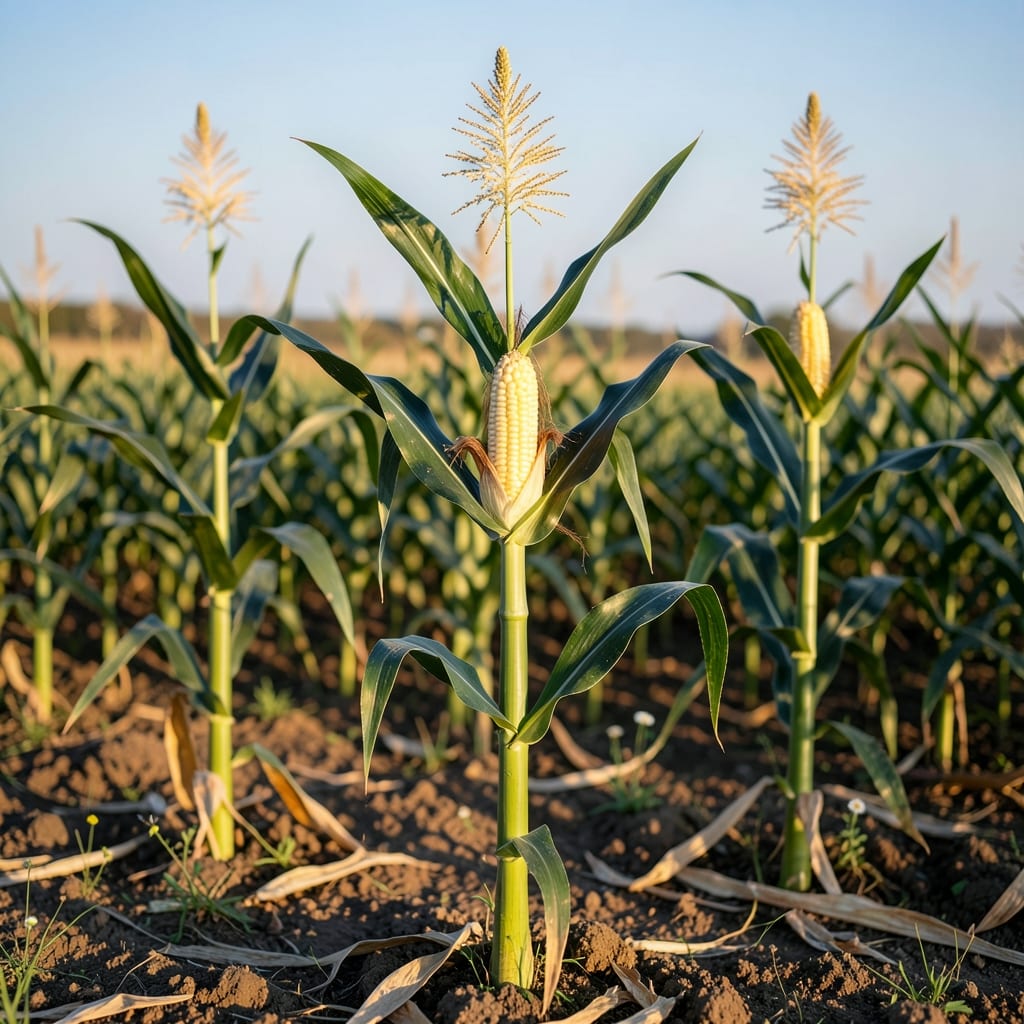
If you’ve ever wondered how tall corn grow in your garden, the answer might surprise you—some varieties stretch taller than your average basketball hoop! 🌽 Whether you’re dreaming of a lush backyard harvest or squeezing in a compact plot, understanding corn’s growth potential is the key to planning like a pro.
Not all corn is created equal: dwarf varieties stay cozy at just 3–5 feet, while standard sweet corn can shoot up to 10 feet or more. But here’s the catch—height isn’t just about space. Soil quality, sunlight, and even your watering habits play a huge role in whether your corn reaches its full potential.
In this guide, I’ll break down the exact height ranges for popular varieties, share the 5 critical factors that influence growth, and reveal how to support towering stalks without them toppling over. Ready to grow corn that’s as impressive as it is productive?
Let’s dive into the secrets behind sky-high yields—and how to avoid common pitfalls that keep corn from reaching its maximum height. Your garden’s next harvest could be taller (and tastier) than ever!

Corn height by variety: exact growth ranges for sweet, field, and ornamental corn
If you’ve ever stared at a corn seed packet wondering, "How tall will this really get?"—you’re not alone. The truth is, corn height varies wildly by variety, with some staying humble at 3 feet while others shoot past 12 feet like a jungle gym. 🌽 Choosing the right type for your space (and harvest goals) is the first step to avoiding a garden full of floppy stalks or wasted space.
Let’s break down the exact height ranges for the most popular corn types—from dwarf varieties perfect for containers to giant ornamental corn that doubles as a backyard landmark. Whether you’re growing for sweet corn, field corn, or decorative stalks, knowing these dimensions helps you plan spacing, support structures, and even companion plants.
For example, ‘Tom Thumb’ sweet corn stays a modest 3–4 feet, making it ideal for balcony gardens or window boxes. Plant these 6 inches apart in well-draining soil, and you’ll harvest ears in just 60–70 days. On the other end of the spectrum, ‘Country Gentleman’ ornamental corn can soar to 12–15 feet, turning your garden into a dramatic autumn centerpiece.
If you’re growing sweet corn for eating, standard varieties like ‘Silver Queen’ or ‘Peaches & Cream’ typically hit 8–10 feet. Space them 12–18 inches apart in blocks (not rows) to ensure better pollination—this is non-negotiable for sweet corn! 🌾 For field corn (used for animal feed or hominy), expect heights of 5–12 feet, but prioritize disease resistance over height when selecting varieties.
Pro tip: Ornamental corn like ‘Black Aztec’ or ‘Glass Gem’ (with its stunning rainbow kernels) can reach 10+ feet and thrive in full sun. These varieties are not edible but add textural drama to fall gardens. Pair them with sunflowers or grasses to create a wind-resistant focal point.
Remember: height isn’t the only factor. Even dwarf varieties need 6+ hours of sun and consistent moisture to reach their potential. Skimp on care, and even a 5-foot variety might only grow to 3 feet. Next, we’ll dive into the 5 factors that determine whether your corn hits its target height—or falls short. 🌱
5 Factors that determine how tall your corn will grow (and how to optimize them)
If you’re growing corn, you’ve probably noticed that some stalks reach for the sky while others stay stubbornly short. The difference often comes down to 5 key factors that control how tall your corn will grow. Understanding these variables lets you tweak your approach for maximum height—whether you’re aiming for a 12-foot giant or a compact 4-foot variety.
First up: soil quality is the foundation. Corn thrives in well-draining, nutrient-rich soil with a pH between 6.0–7.0. If your soil is compacted or lacks organic matter, roots struggle to support the plant’s towering growth. A quick soil test reveals what amendments—like compost or aged manure—your garden needs to fuel those sky-high ambitions.
Next, sunlight exposure makes or breaks corn height. These sun-worshippers need at least 6–8 hours of direct sunlight daily. Shade from trees or buildings can stunt growth by up to 30%, so choose a south-facing plot or use reflective surfaces (like white walls) to bounce extra light onto your plants.
Watering is another game-changer. Corn needs consistent moisture, especially during tasseling and ear development. Deep watering 2–3 times per week (1–2 inches total) encourages strong root systems, while shallow watering leads to weak stalks. Use drip irrigation to deliver water directly to the roots and avoid wetting the leaves, which can invite fungal diseases like corn blight.
Don’t overlook fertilizer—but timing is everything. A balanced 10-10-10 NPK fertilizer applied at planting and again when plants reach knee height provides the nitrogen, phosphorus, and potassium needed for vertical growth. Too much nitrogen early on can boost leafy growth at the expense of height, while phosphorus and potassium strengthen the stalk’s structural integrity.
Lastly, climate and wind exposure play a surprising role. In windy areas, tall corn varieties (like 10-foot sweet corn) may need staking or trellising to prevent snapping. Plant windbreaks (like sunflowers or tall grasses) on the north side of your plot, and mulch heavily to retain moisture in hot, dry climates. These small tweaks can mean the difference between a floppy, stunted plant and a proud, towering stalk.