
How To
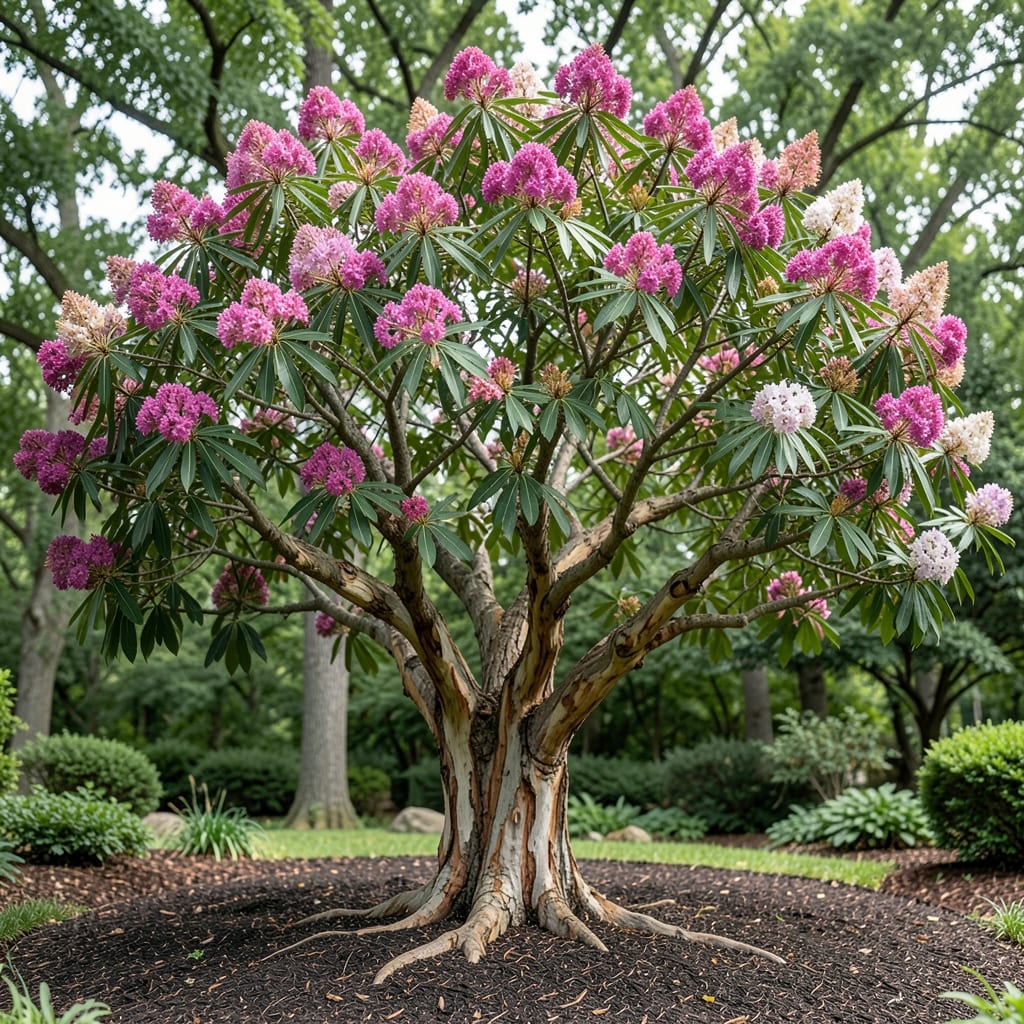
Wondering how tall crepe myrtles grow before you plant one in your yard? These stunning 🌳 trees can be both a dream and a challenge—some stay compact enough for small gardens, while others stretch toward the sky like natural skyscrapers.
The key to choosing the right variety lies in understanding their growth habits. From dwarf varieties that top out at just 6 feet to towering giants reaching 30 feet, crepe myrtles offer options for every landscape. But their growth isn’t just about genetics—climate, pruning, and care play huge roles in shaping their final height.
If you’re working with limited space, you’ll want to focus on the smaller cultivars that still pack a punch with their vibrant blooms. Meanwhile, larger landscapes can accommodate the bold, statement-making varieties that create dramatic focal points. Let’s break down what you need to know to pick the perfect fit for your outdoor space.
Whether you’re dreaming of a low-maintenance tree or planning a grand landscape design, knowing these height ranges—and how to manage them—will help you make the best choice for your garden’s future.


Crepe myrtle height guide: from dwarf varieties to 30-Foot giants
Crepe myrtles are famous for their showstopping summer blooms, but their mature height can vary dramatically depending on the variety. Some stay compact enough for small yards, while others reach skyscraper proportions—up to 30 feet tall. Understanding these differences helps you choose the perfect tree for your space, whether you want a privacy screen or a conversation piece in your landscape.
If you're working with limited space, dwarf varieties like 'Centennial' or 'Dwarf Natchez' top out at just 6–10 feet, making them ideal for patios or foundation plantings. On the other end of the spectrum, tall cultivars like 'Muskogee' or 'Tonto' can soar to 25–30 feet, rivaling small trees in your neighborhood. The key is matching your yard size and vision to the right cultivar.
🌱
| Variety | Mature Height | Growth Rate | Best For |
|---|---|---|---|
| Dwarf Natchez | 6–10 ft | 1–2 ft/year | Small yards, containers |
| Centennial | 8–12 ft | 1.5–2.5 ft/year | Foundation plantings |
| Arapaho | 15–20 ft | 2–3 ft/year | Medium landscapes |
| Muskogee | 25–30 ft | 3–4 ft/year | Large properties, privacy screens |
| Tonto | 20–25 ft | 2.5–3.5 ft/year | Bold landscape statements |
Your USDA hardiness zone also plays a role in how tall your crepe myrtle grows. In warmer zones (8–10), these trees thrive and reach their full potential height faster. In cooler zones (6–7), growth may be slower, but with proper care, they’ll still hit their mature size—just over a longer timeframe. For example, a 'Arapaho' might take 8–10 years to mature in Zone 6 but only 5–7 years in Zone 9.
Another factor to consider is soil quality and sun exposure. Crepe myrtles planted in well-draining soil with full sun (6+ hours daily) grow 20–30% faster than those in shady or compacted soil. If your yard has clay-heavy soil, amend it with compost or sand to encourage healthier, faster growth. Pruning habits also influence height—regular pruning can keep even tall varieties in check while maintaining their bloom-heavy branches.
For urban gardens or small backyards, consider multi-trunk dwarf varieties like 'Biloxi' or 'Zoli'. These grow in clusters rather than a single trunk, creating a fuller, bushier look while staying under 10 feet tall. They’re perfect for container growing or as centerpiece plants in courtyard designs. If you’re unsure which variety to choose, start with a smaller cultivar—you can always graft or propagate a taller variety later if your space allows.
One common misconception is that all crepe myrtles need years to reach maturity. While it’s true that taller varieties take 10+ years to fully mature, dwarf types can bloom within 2–3 years of planting. This makes them a great low-commitment option for gardeners eager to enjoy their vibrant flowers quickly. Just remember: patience pays off—even dwarf varieties need time to establish strong roots before hitting their peak bloom potential.
If you’re planning a privacy screen or windbreak, aim for semi-dwarf or standard varieties like 'Sioux' or 'Rapides'. These grow 15–25 feet tall and create a dense, lush barrier while still being manageable with
Crepe myrtle height guide: from dwarf varieties to 30-Foot giants
Crepe myrtles are famous for their dramatic height variations, ranging from compact dwarf varieties perfect for small spaces to towering giants that dominate large landscapes. The mature height you’ll achieve depends entirely on the cultivar you choose, with some reaching 30 feet or more while others stay under 10 feet. Understanding these differences is crucial for planning your garden layout and avoiding future headaches.
For example, the 'Tonto' variety stays a modest 6–10 feet tall, making it ideal for urban yards or patios, while 'Muskogee' can soar to 25–30 feet, creating a stunning focal point in open spaces. Even within the same species, Lagerstroemia indica, growth habits vary wildly—so let’s break down the key categories to help you pick the perfect fit for your space.
🌱 Crepe Myrtle Height Comparison
| Variety Type | Mature Height (ft) | Best For |
|---|---|---|
| Dwarf | 6–12 ft | Small yards, containers, urban gardens |
| Semi-Dwarf | 12–20 ft | Medium gardens, privacy screens |
| Standard | 20–30 ft | Large landscapes, focal points |
| Giant | 30+ ft | Open fields, park settings |
Note: Heights vary by cultivar and growing conditions.
If you’re working with limited space, dwarf crepe myrtles like 'Natchez' or 'Tonto' are game-changers. These varieties mature between 6–10 feet and thrive in containers or tight corners, yet still deliver vibrant summer blooms in shades of white, pink, purple, or lavender. For a mid-sized garden, semi-dwarf types like 'Arapaho' (12–15 ft) or 'Sioux' (15–20 ft) strike a perfect balance between presence and manageability.
On the opposite end of the spectrum, standard and giant varieties like 'Muskogee' or 'Catawba' can reach 25–30 feet or taller, making them ideal for bold landscape statements. These giants require ample space but reward you with dramatic canopies and extended bloom seasons. Just be sure to plant them at least 15–20 feet from structures, power lines, or sidewalks to avoid future conflicts.
One factor often overlooked is growth rate. Crepe myrtles are fast growers, with many varieties adding 1–3 feet per year under ideal conditions. This means a 6-foot dwarf could reach maturity in just 3–5 years, while a 30-foot giant might take 10–15 years to fully develop. Planning for this growth curve ensures your tree has room to thrive without crowding other plants or structures.
Pro tip: Always check the specific cultivar’s tag or nursery description for exact height ranges, as some "dwarf" varieties can still surprise you with unexpected vertical growth. Pairing your crepe myrtle with complementary plants—like ornamental grasses or shrubs—can also help soften its impact in smaller spaces while maintaining visual interest.